

.png)
Wheel Finishing at Scale: How to Standardize Masking, Hanging, and Changeovers
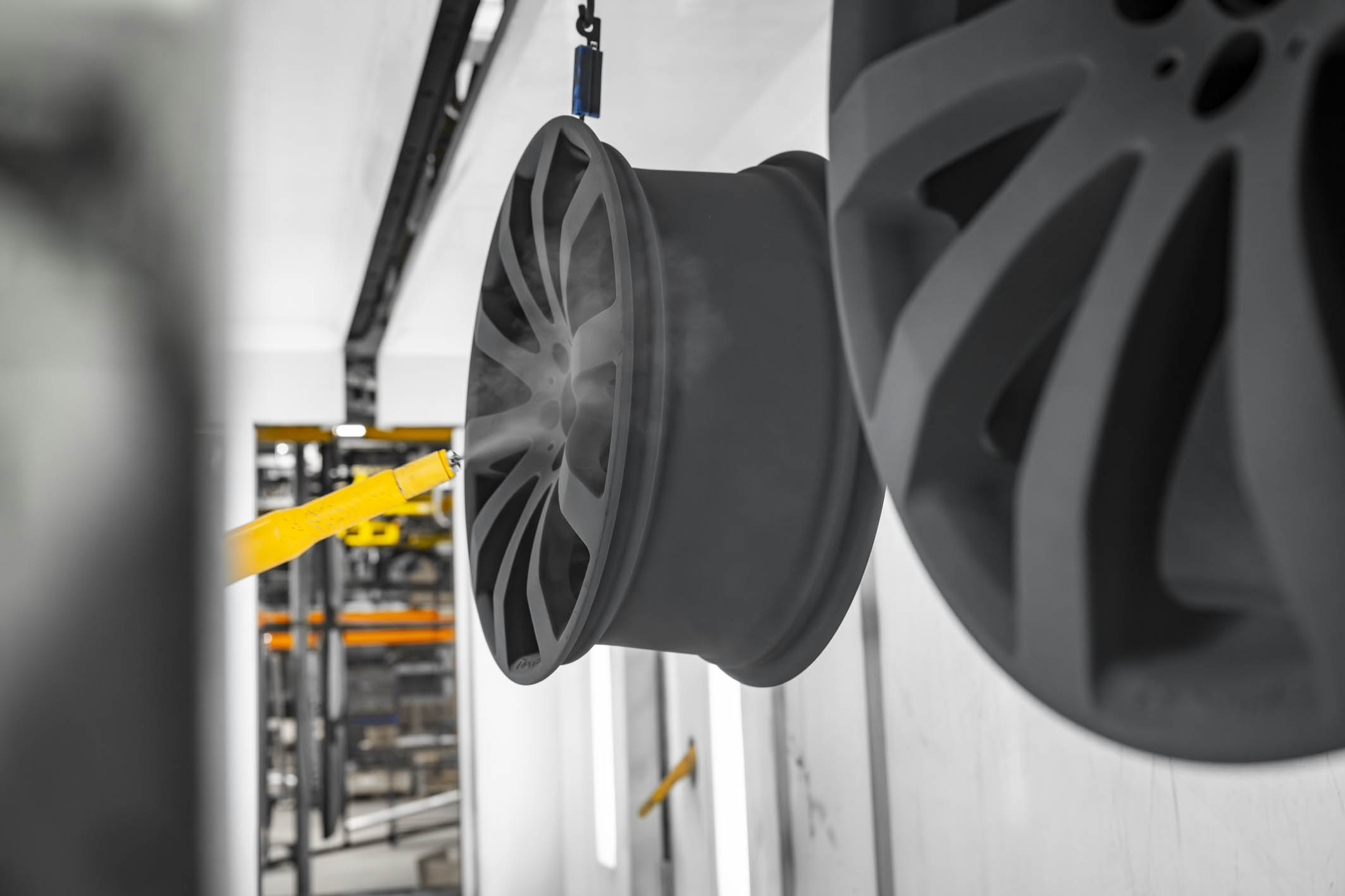
Wheel finishing presents a particular challenge for manufacturers and coating operations: maintaining consistent results while processing wheels that may vary in diameter, offset, hub geometry, finish requirements, and production volume.
For operations handling multiple wheel designs, the difficulty extends beyond applying a consistent coating. Masking critical interfaces, selecting appropriate hanging points, and transitioning between wheel configurations can introduce unnecessary labor and process variation.
These challenges are part of the broader demands of automotive surface finishing, where repeatable part preparation and handling are essential to efficient production.
The goal isn't necessarily to use the same setup for every wheel. It's to develop standardized methods that operators can apply consistently, even when the wheels themselves change.
Consistent wheel finishing starts with repeatable masking, hanging, and changeovers.
Why Wheel Finishing Becomes More Complex at Scale
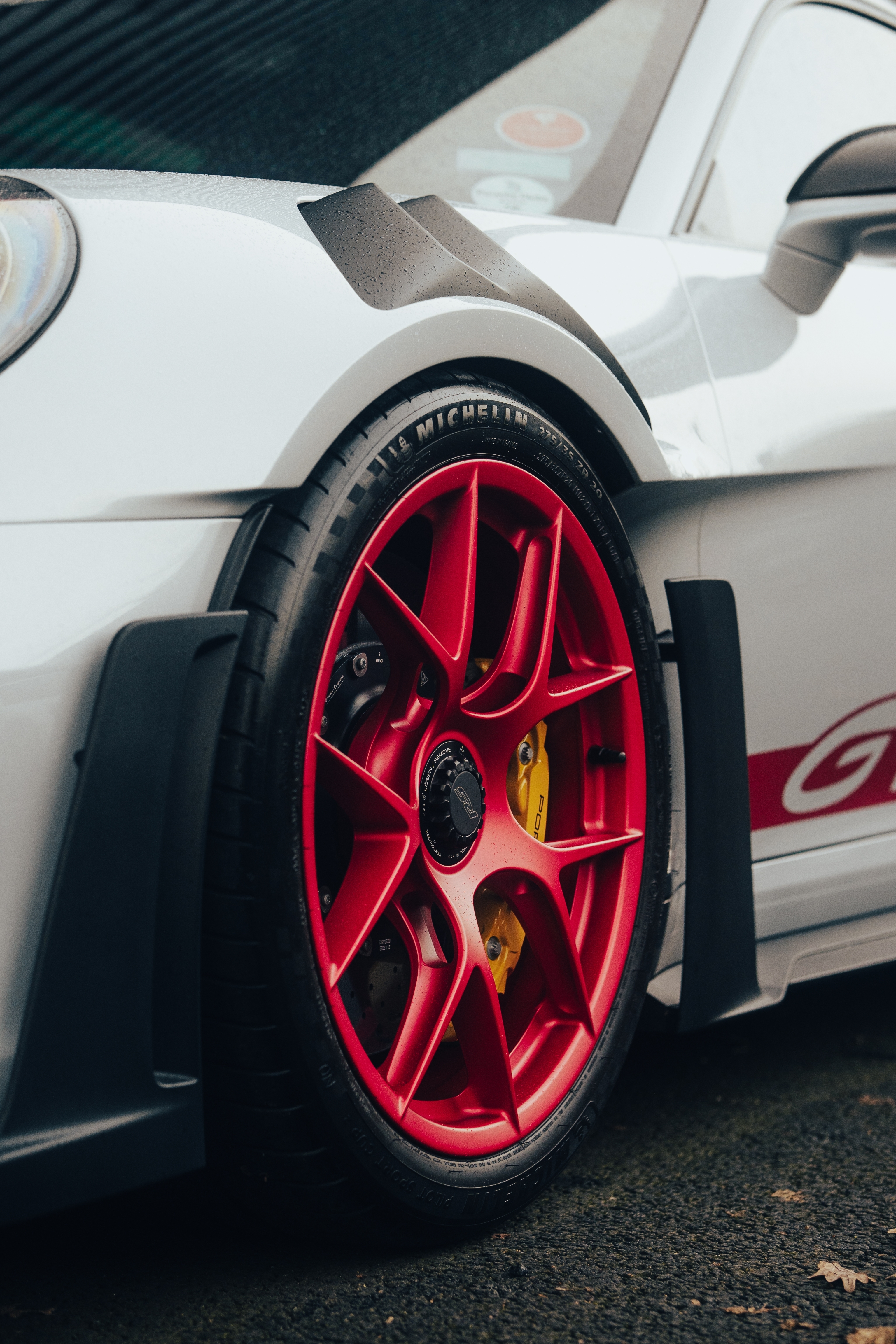
A finishing operation processing one wheel design repeatedly may be able to optimize its masking and hanging methods around that specific component.
Introduce multiple wheel styles, however, and the process becomes more complicated.
Different wheels may require adjustments to masking dimensions, hanging configurations, loading procedures, and inspection criteria. Operators may need to switch between masking products or modify how wheels are presented to the coating process.
Without a defined procedure, these differences can lead to longer changeovers, inconsistent masking placement, unnecessary handling, and avoidable rework.
The challenge is especially relevant to high-mix automotive wheel finishing, where efficiency depends on managing variation rather than eliminating it.
RELATED POST: Masking and Racking Brake Components for Repeatable Automotive Finishing
.jpg)
1. Start With the Wheel's Functional Requirements
Before selecting masking products or hanging equipment, establish which wheel surfaces require coating and which must remain protected.
Depending on the wheel design, finishing specification, and subsequent assembly requirements, controlled areas may include:
- Hub bores and centering surfaces
- Wheel mounting faces
- Lug holes or associated seating surfaces
- Valve-stem openings
- Defined contact or attachment areas
- Other machined or tolerance-sensitive features
Not every wheel requires the same masking boundaries. Some applications permit coatings on surfaces that other specifications require to remain uncoated.
The engineering drawing, customer requirements, and qualified finishing process should determine the appropriate masking locations.
Once those requirements are established, the next consideration is how to protect those features repeatedly without introducing unnecessary manual steps.
2. Standardize Hub Masking Across Wheel Variations
Hub masking can become a significant source of variation when operators process wheels with different center-bore dimensions or mounting configurations.
A process that relies on manually cutting tape, combining multiple masking products, or making frequent adjustments may work at low volumes but become inefficient as production increases.
Standardization begins with identifying recurring hub dimensions and defining the appropriate masking method for each configuration.
For example, an operation might establish a documented selection procedure based on wheel dimensions, with specific masking products assigned to each approved wheel family.
The procedure should address fit, installation, retention during processing, removal, and inspection.
Reusable masking products can also reduce the need to repeatedly prepare disposable materials, provided they maintain their required performance throughout their service life. When comparing masking methods, it's important to evaluate the cost per part of standard versus custom masking, including labor, reuse, and material consumption.
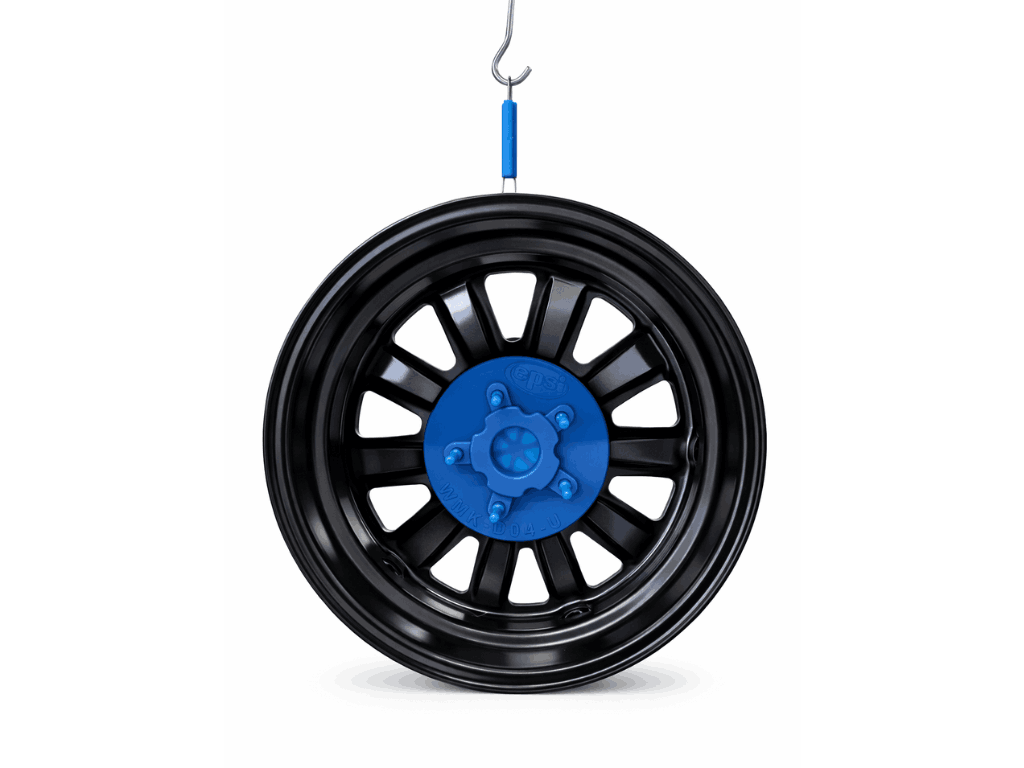
EPSI's Wheel Masking Kit is designed to simplify recurring wheel-hub masking. Its assortment of hub masks and pull plugs supports different wheel configurations without requiring a completely different masking approach for each application.
The kit includes 24 hub masks across six sizes and 100 pull plugs. The system is designed for quick application, with masking possible in under 60 seconds under suitable conditions.
Actual application time should be verified against the operation's wheel designs and masking requirements.
Standardized hub masking reduces guesswork, handling time, and variation between wheel designs.
3. Treat Hanging as Part of Process Control
Wheel hanging is sometimes approached primarily as a material-handling requirement.
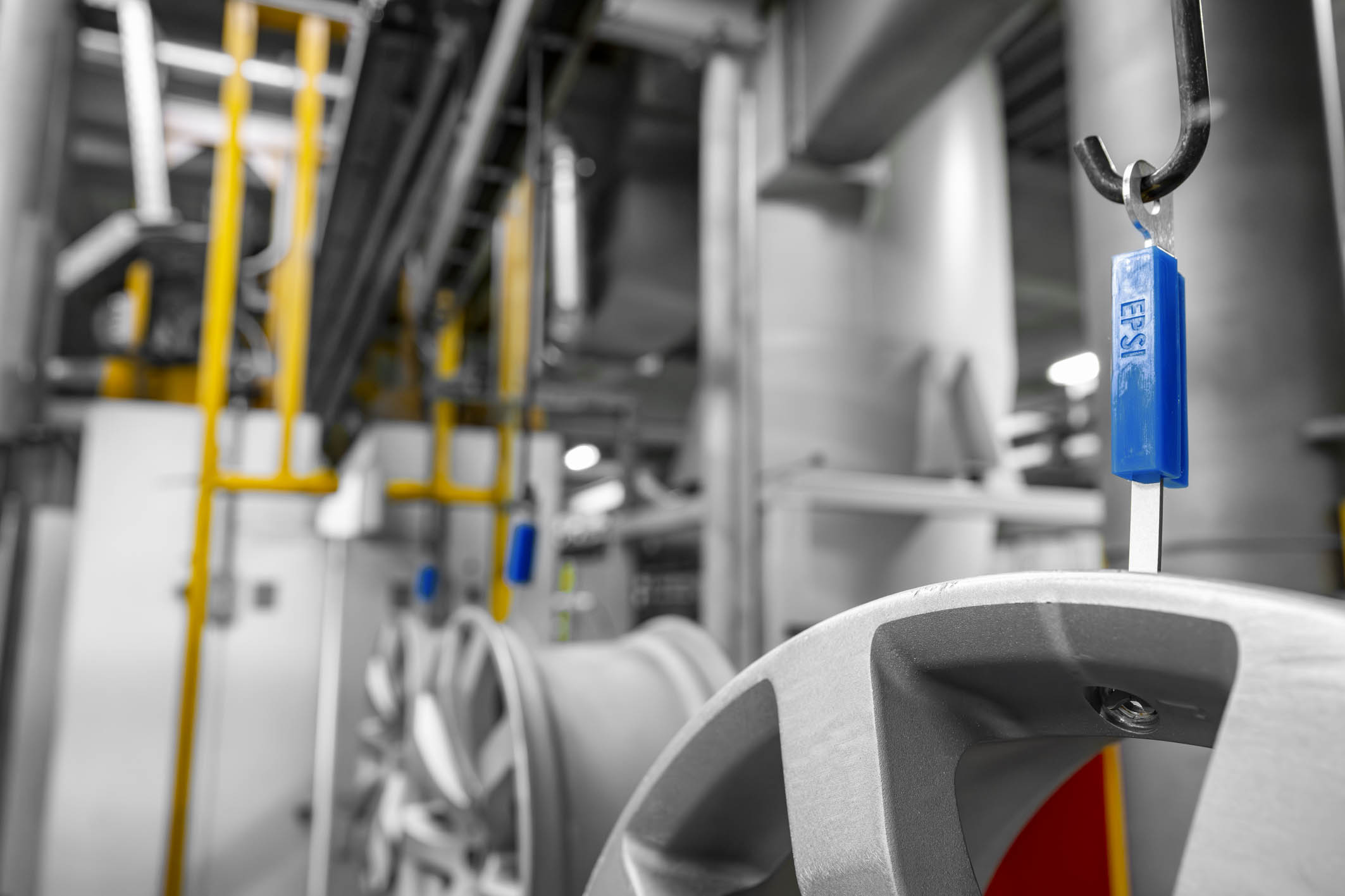
In practice, the hanging method can influence part stability, orientation, coating access, contact location, and operator loading efficiency.
For electrostatic powder coating, conductive contact and the path to ground also need to be considered. Understanding what causes poor grounding can help operators identify contact and maintenance issues that affect finishing consistency.
A hanging method that works for one wheel configuration may not be appropriate for another, particularly when attachment geometry or available contact locations differ.
When evaluating a wheel hanging system, consider whether it:
- Supports the wheel securely through the finishing process
- Provides appropriate contact where required
- Maintains a consistent orientation
- Preserves access to surfaces requiring coating
- Allows practical loading and unloading
- Accommodates the approved range of wheel designs
The hanging arrangement must also be compatible with wheel weight, conveyor limitations, and applicable safety requirements.
EPSI's Wheel Hook System uses a valve-hole contact approach for compatible applications, providing a repeatable hanging location without relying on improvised attachment methods.
A standardized hanging method can reduce operator decisions during loading while helping maintain consistent part presentation.
4. Reduce Changeover Time Without Compromising the Finish
Changeovers become expensive when every new wheel design requires operators to determine the correct masking products, locate different hanging hardware, or adjust the setup through trial and error.
The objective should be to separate necessary adjustments from unnecessary ones.
Some wheel variations legitimately require different masking dimensions or hanging configurations. Those changes should be documented and easy to execute.
Others may be accommodated using the same basic equipment with a limited number of standardized adjustments.
A practical changeover procedure might identify the approved wheel family, required masks, hanging configuration, inspection points, and any necessary equipment adjustments.
Storing compatible masking and hanging components together can further reduce searching and preparation time. These improvements also support broader efforts to improve powder coating throughput by reducing unnecessary handling and preparation steps.
EPSI's Hanging Adapter offers a tool-free, plug-and-go approach for compatible wheel hanging setups, eliminating screws or tools during adapter installation.
Whether using an adapter, dedicated hook, or another approved fixture, the goal is to make transitions predictable rather than dependent on individual operator experience.
5. Measure the Entire Wheel Preparation Cycle
Masking speed alone doesn't tell the complete story.
A product that installs quickly but requires extensive adjustment or difficult removal may not reduce overall masking labor.
Similarly, a hanging system that improves loading speed but creates additional inspection or rework requirements may provide little net benefit.
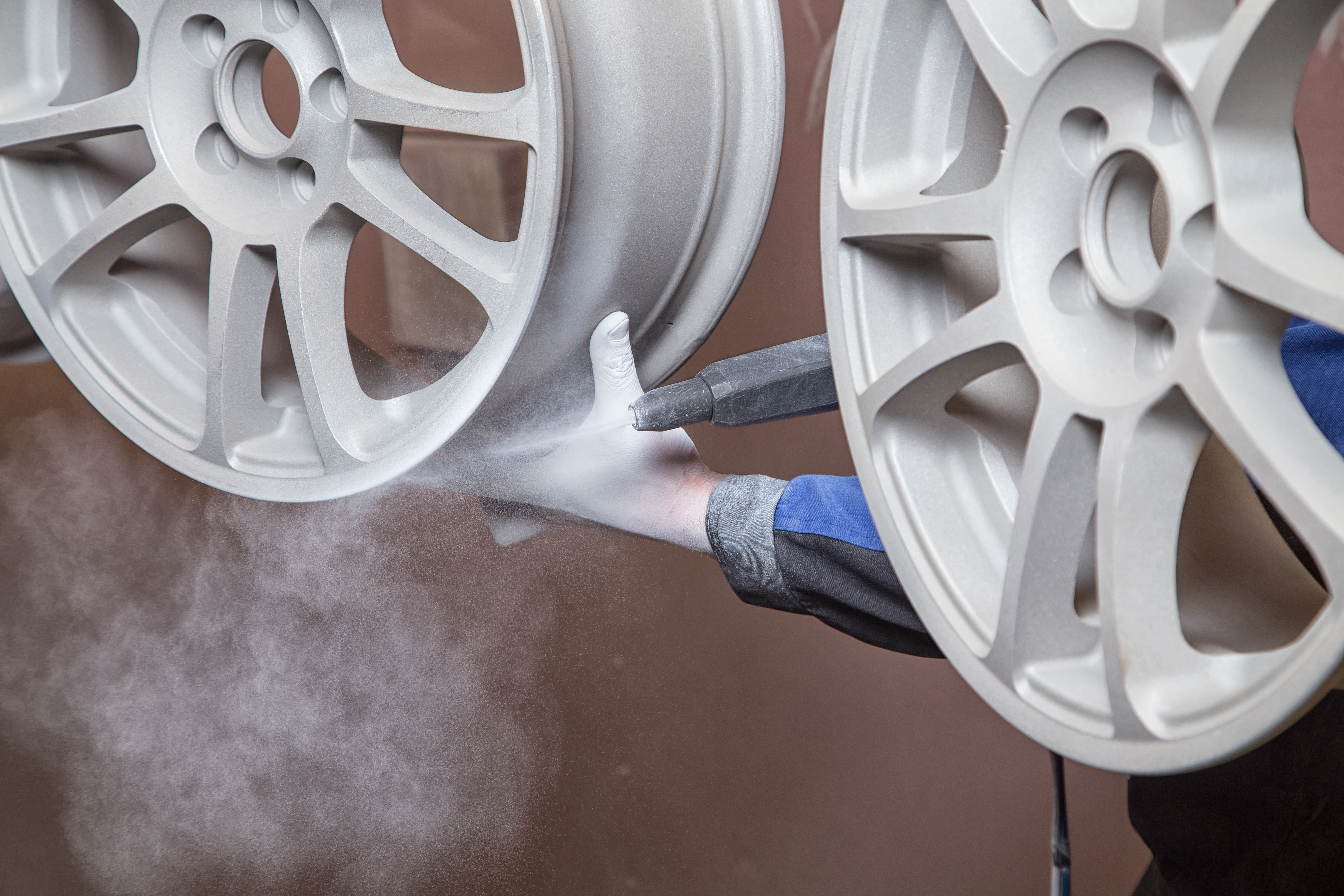
Measure the complete preparation and handling sequence:
Select masking → apply masking → verify placement → load and hang → finish → unload → remove masking → inspect.
For operations processing multiple wheel designs, changeover time should be measured separately.
Useful metrics include preparation time per wheel, changeover duration, masking consumption, acceptable finished wheels per labor hour, and recurring defects associated with masking or handling.
For example, saving 20 seconds per wheel across 300 wheels represents approximately 100 minutes of labor per production day. That is a hypothetical illustration, not a guaranteed result.
The most useful comparison is total process cost per acceptable finished wheel.
6. Establish Standard Work for Each Wheel Family
Standardization becomes more reliable when operators have clear instructions that reflect actual production requirements.
A wheel-family work instruction can identify approved masking products, placement locations, hanging hardware, orientation, inspection criteria, and changeover steps.
Photographs or simple diagrams can help distinguish similar-looking wheel designs with different requirements.
Product condition should also be addressed. Reusable masks need inspection for wear, damage, contamination, and loss of fit. Hooks and contact surfaces require maintenance appropriate to the finishing process.
Operators should know when a masking product or hanging component must be replaced rather than continuing to use it.
This helps prevent standardization from becoming a procedure that looks consistent on paper but produces variable results on the line.
RELATED POST: Standardized Masking for Powder Coating Process Improvement
7. Know When Custom Masking Makes Sense
Standard masking products are often the most practical choice when they provide the required protection efficiently.
However, certain wheel geometries or finishing requirements may create recurring problems that standard products cannot address effectively.
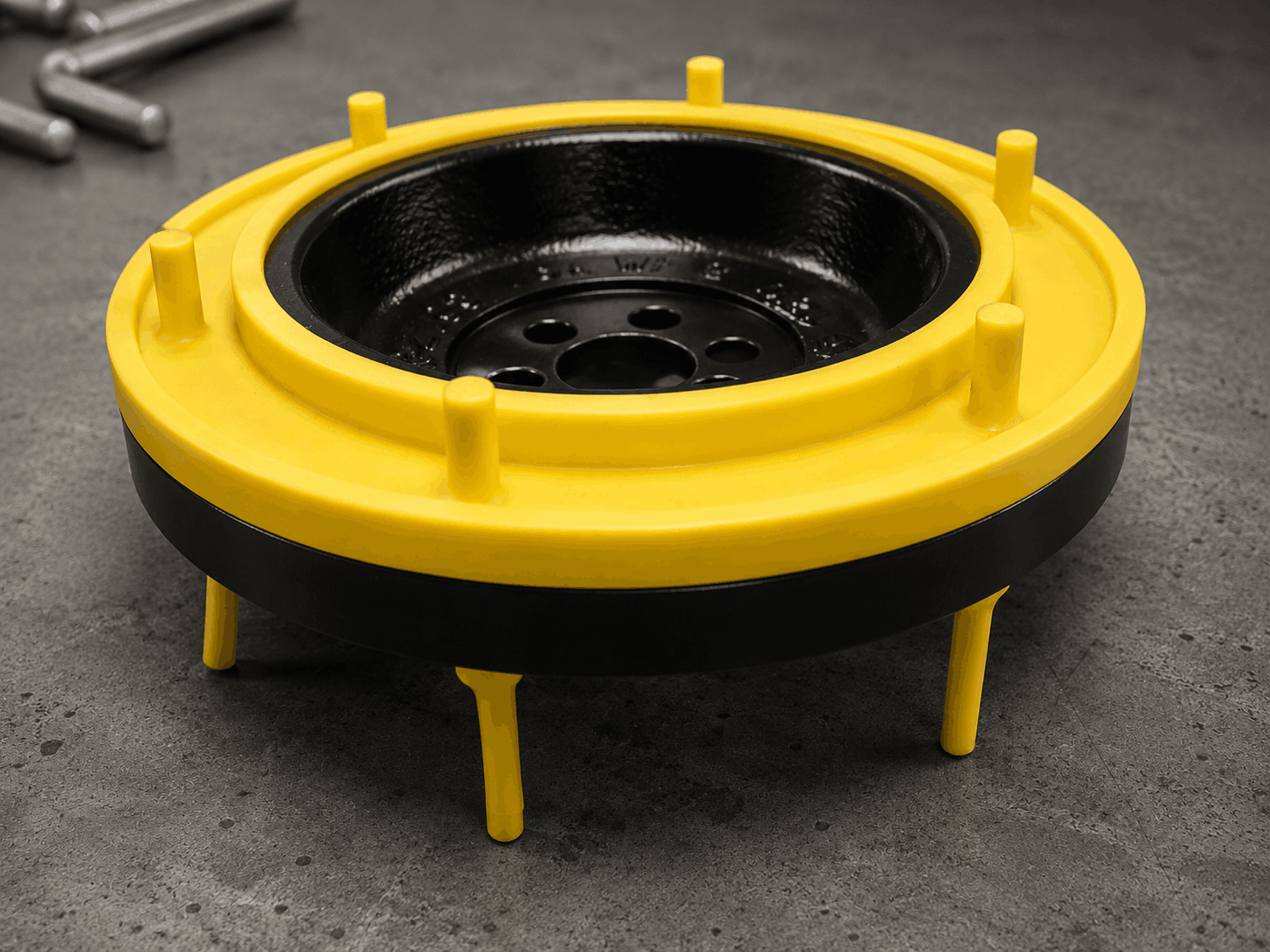
Custom masking may be worth evaluating when operators repeatedly modify standard masks, struggle with difficult coating boundaries, or spend excessive time installing multiple products.
An engineered solution may consolidate masking steps or provide a more consistent fit around a specific feature.
The decision should account for development costs, production volume, expected reuse, installation and removal time, and quality requirements.
Custom masking is most valuable when it addresses a measurable production challenge—not simply because a wheel design is unusual.
How EPSI Can Help
Wheel finishing at scale requires more than selecting an individual masking product or hanging accessory. EPSI can help manufacturers, powder coating operations, and wheel refinishers evaluate how these steps work together—from protecting hub surfaces and establishing hanging points to simplifying loading and managing changes between wheel designs. The objective is to identify practical solutions that fit the wheel, the finishing conditions, and the way production actually operates.
Wheel Masking Kit
Organize reusable hub masks and pull plugs into a repeatable preparation method. Multiple sizes help operators accommodate common wheel variations while reducing tape cutting, product searching, and inconsistent masking practices.
Explore Wheel Masking Kit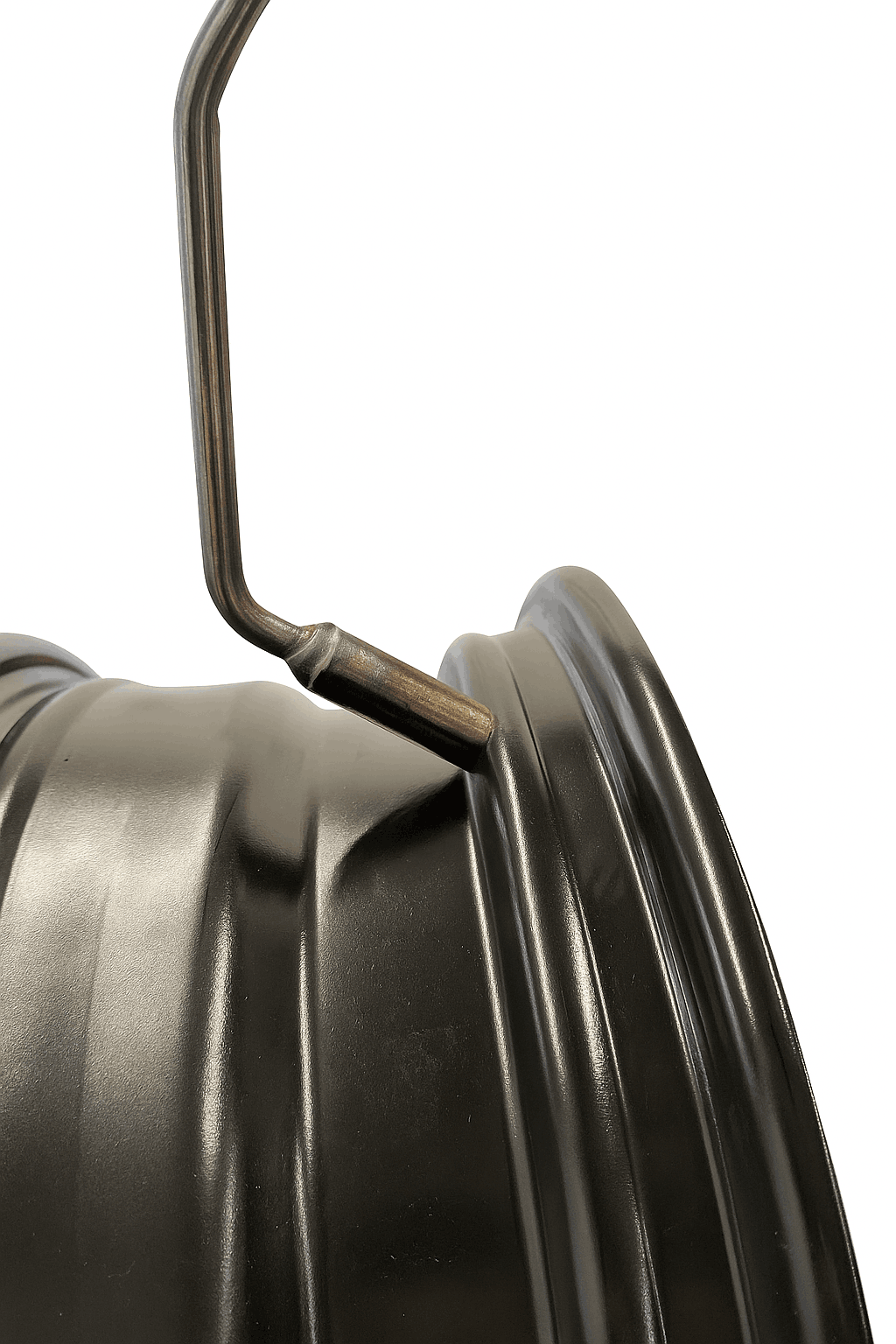
Wheel Hook System
Establish a consistent valve-hole hanging approach for compatible wheels. Purpose-built hardware supports stable presentation, controlled contact, and repeatable loading while helping operators avoid unnecessary contact with visible finished surfaces.
Explore Wheel Hook System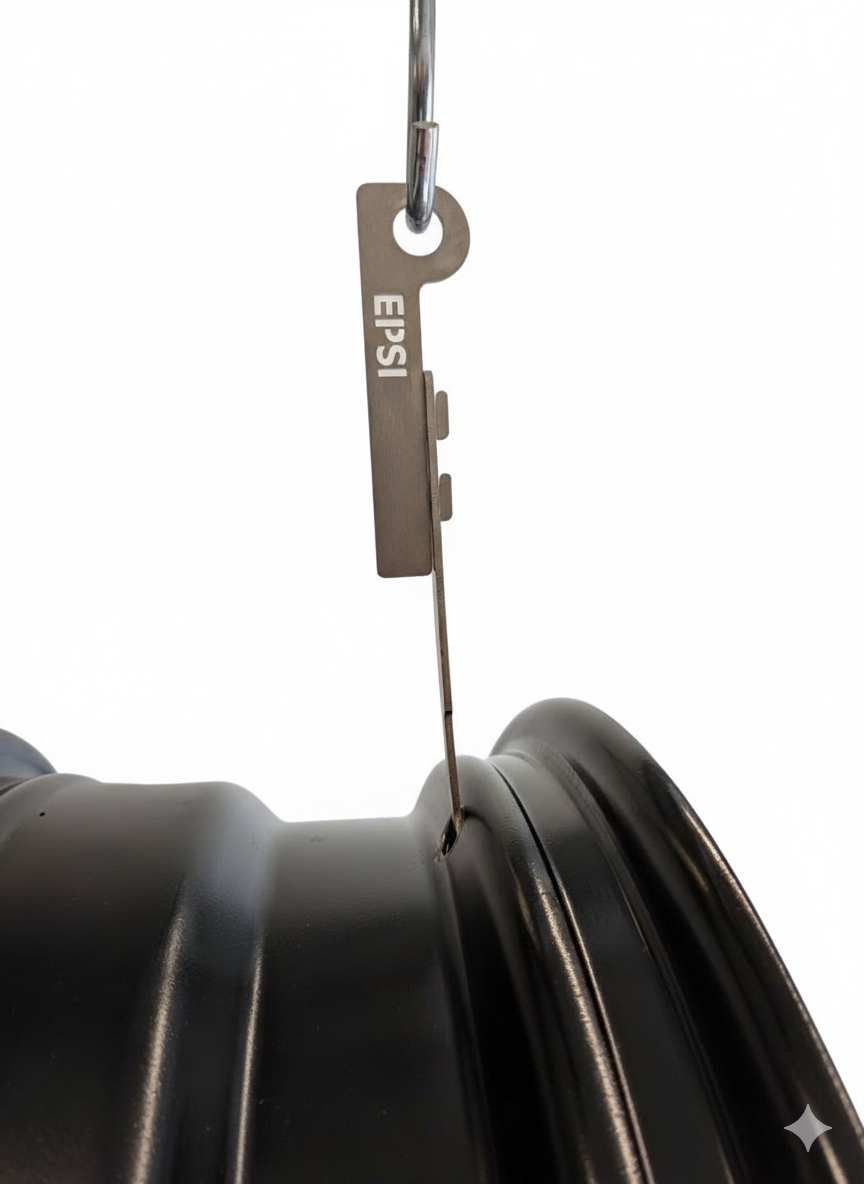
Hanging Adapter
Simplify wheel suspension using a tool-free connection to compatible conveyor hooks. The adapter helps reduce unnecessary setup steps and supports consistent handling without requiring operators to assemble additional hanging hardware during every changeover.
Explore Hanging Adapter
Custom Masking
Address wheel features that standard masking products cannot protect efficiently. Application-specific designs can help reduce repeated trimming, simplify complex masking arrangements, and establish more consistent protection for specialized geometries.
Explore Custom MaskingBuild a Wheel Finishing Process That Can Adapt
A scalable wheel finishing operation needs to accommodate different wheel designs without rebuilding the preparation process every time the production mix changes.
That starts with clear masking requirements, approved hanging methods, organized equipment, documented changeovers, and regular checks of reusable components.
The best opportunities for improvement often become visible when masking, hanging, loading, and inspection are evaluated together.
Standardize the steps that can remain consistent. Document the adjustments that must change. Measure the labor and quality results.
The objective is a finishing process that remains predictable even when the next wheel is different from the last.
Frequently Asked Questions
What areas of an automotive wheel typically require masking before powder coating?
Depending on the wheel and finishing specification, masking may be required on hub bores, mounting faces, lug holes, valve-stem openings, or other machined and functional surfaces. The engineering drawing and approved coating requirements should determine the exact boundaries.
How can manufacturers standardize wheel masking across different wheel sizes?
Group wheels by recurring masking dimensions and establish approved products and procedures for each family. Organized masking kits, documented placement instructions, and consistent inspection criteria can help operators accommodate variation without improvising each setup.
How long should it take to mask a wheel?
Masking time depends on the wheel geometry, protected surfaces, product selection, and operator familiarity. EPSI's Wheel Masking Kit is designed to support masking in under one minute for suitable applications, but actual cycle time should be measured under production conditions.
Can wheel masking products be reused?
Some products, including high-temperature silicone hub masks and plugs, are designed for repeated use. EPSI reports that its Wheel Masking Kit components can typically be reused more than 30 times, depending on conditions. Inspect fit, damage, contamination, and retention before reuse.
Why is wheel hanging important during powder coating?
Hanging affects wheel stability, orientation, coating access, handling, and potentially electrical contact. A consistent hanging arrangement helps reduce variation in how wheels are presented to the coating process.
Can automotive wheels be hung through the valve-stem hole?
Yes, for compatible wheels and approved finishing procedures. Purpose-built valve-hole hanging systems can minimize contact with visible finished surfaces. The attachment must be evaluated for wheel geometry, weight, stability, and process requirements.
What is the difference between a Wheel Hook System and a Hanging Adapter?
EPSI's Wheel Hook System is a purpose-built valve-hole hanging solution. The Hanging Adapter provides a tool-free connection to compatible conveyor hooks using an appropriate mounting arrangement. Selection depends on the wheel, existing equipment, and preferred loading method.
How can wheel finishing operations reduce changeover time?
Document approved masking and hanging setups for each wheel family, organize required components, standardize equipment adjustments, and train operators on a defined sequence. Measure changeover time separately from the normal preparation cycle.
Does standardized masking eliminate the need for custom masking?
No. Standard products can cover many recurring features, but specialized wheel geometries or coating boundaries may require application-specific solutions. Custom masking should be evaluated when it offers measurable benefits in labor, fit, consistency, or quality.
How does grounding affect wheel powder coating?
Electrostatic powder coating requires an effective conductive path to ground. Hanging hardware, contact location, coating buildup, and equipment condition can affect that path. Grounding performance should be checked against the applicable process requirements.
How can manufacturers calculate the ROI of faster wheel masking?
Compare the complete masking and demasking cycle, labor rate, production volume, product consumption, expected reuse, and any change in rework. Include tooling or equipment investment when evaluating custom or reusable solutions.
What information should be provided when evaluating a wheel masking or hanging solution?
Useful information includes wheel dimensions and weight, drawings or photographs, required coating-free areas, finishing temperature and chemistry, production volume, current masking and hanging methods, conveyor details, and recurring quality or handling problems.
How should a new wheel masking or hanging method be validated?
Test the method under actual production conditions. Confirm masking fit and retention, coating boundaries, hanging stability, contact performance where applicable, coating access, removal, and finished-wheel quality against the approved specification.
Need a More Efficient Way to Mask and Hang Wheels?
Whether you're managing multiple wheel designs, spending too much time on changeovers, or trying to standardize a growing finishing operation, EPSI can help evaluate the masking and hanging solutions that fit your process.