Search Products
loading...
PFAS & Material Alternatives
EPSI Ready Kits

Explore ready-to-use masking and racking solutions designed to help your team get organized, protected, and production-ready faster.

  • Wheel masking kits
  • Wheel hook systems
  • Cross N Click modular racking
Explore Kits Ask EPSI
Future-Ready Material Solutions
Compliance + Performance

Looking for practical alternatives for industrial finishing? EPSI helps customers move forward with masking solutions engineered for heat, protection, reusability, and process consistency.

  • Polyester tapes & discs
  • Silicone caps, plugs, tubing & sheeting
  • EPDM masking options
  • Polyimide high-temp masking
Explore Alternatives Custom Solutions
Technical Guide

Download the latest EPSI technical guide and product reference materials.

Download Technical Guide Guide Espanol
Need Help Choosing?

Connect with EPSI for help selecting masking, plugs, caps, hooks, racking, and finishing solutions for your application.

  • Powder coating
  • Plating and anodizing
  • Industrial finishing support
Contact EPSI Call 866-275-3774
Connect with EPSI
Follow EPSI for product updates and finishing insights.
Accepted Payments
Secure checkout with major card providers.
Automotive Surface Finishing

Automotive Surface Finishing Supplies

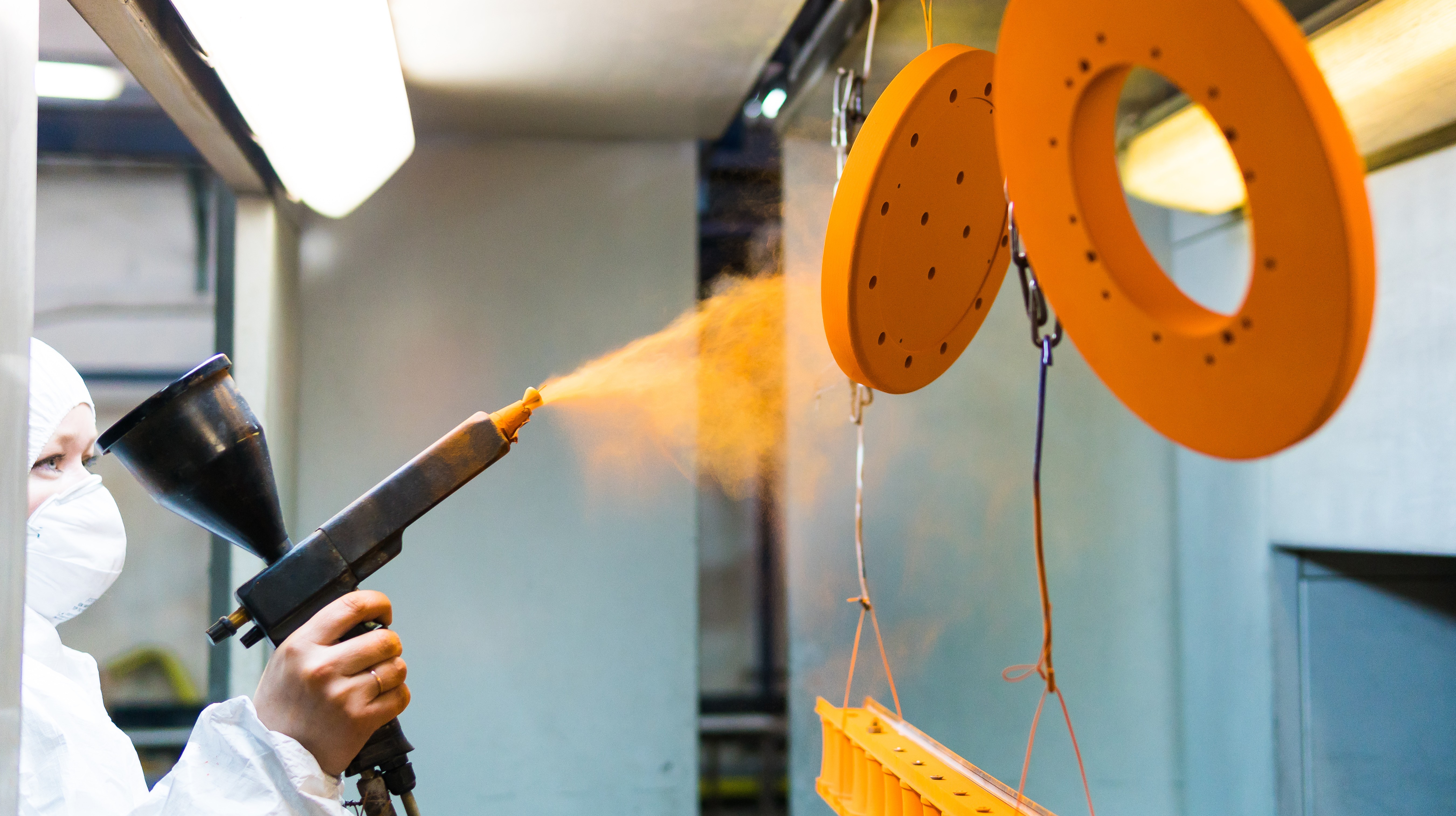
Keep automotive finishing lines moving with masking, racking, hanging, and custom solutions built around real production conditions—from wheel coating and component masking to repeatable part presentation and high-volume material flow.

Protect critical surfacesMask threads, hubs, bores, mating areas, and other features that must remain coating-free.
Improve line consistencyUse repeatable hanging and masking methods that support dependable part presentation and grounding.
Reduce touch timeChoose application-specific products that make masking, loading, removal, and replenishment easier.
Protect Critical Features

Explore Masking

Build repeatable protection into automotive finishing with caps, plugs, tapes, discs, custom masks, wheel masking products, and other solutions for coating-free surfaces.

Explore Masking
Hang Parts with Purpose

Explore Racking

Support grounding, part orientation, transfer, and line density with custom and modular racking systems designed around the parts and process you actually run.

Explore Racking
Built Around the Part

Explore Custom

When standard products create extra handling or leave gaps in coverage, EPSI can develop application-specific masking and racking solutions for automotive production.

Explore Custom
Featured Automotive Solutions

EPSI's Automotive Products for Surface Finishing

Start with products designed to make wheel finishing, hanging, masking, and part handling more repeatable. These solutions address common automotive finishing challenges while helping operators reduce setup time and protect critical areas.

EPSI Wheel Masking Kit for automotive wheel finishing

Wheel Masking Kit

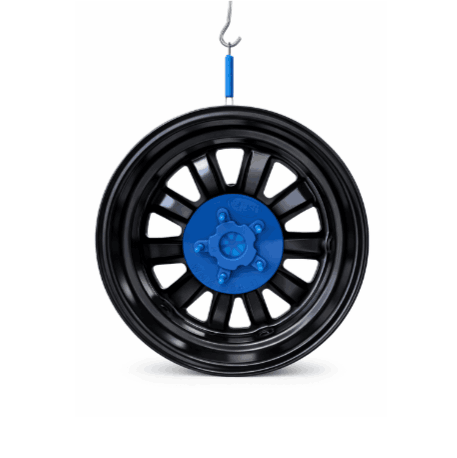
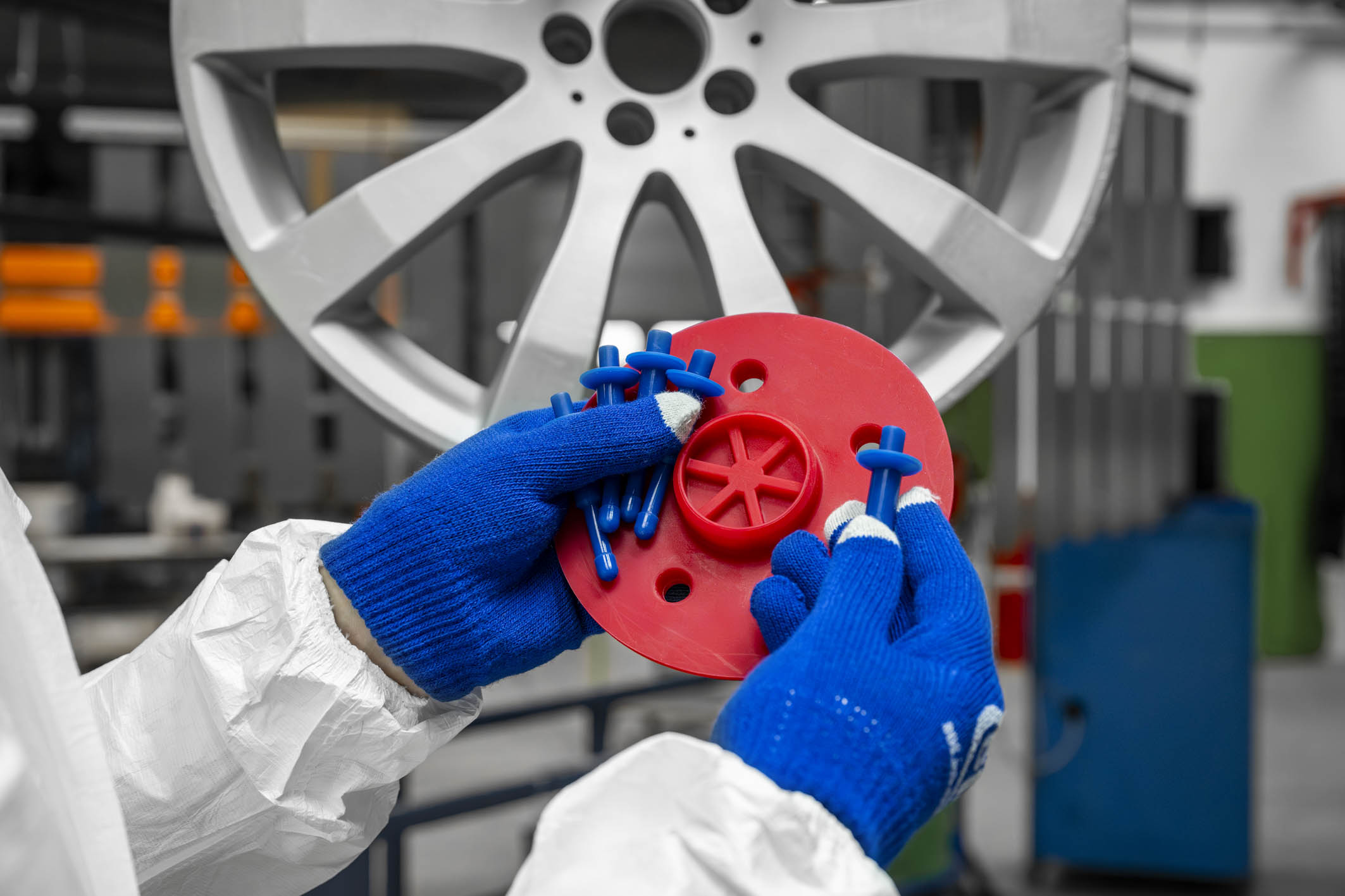
A reusable masking system for quickly protecting common wheel hub areas during powder coating and other finishing operations. Standardized mask sizes help operators create consistent coverage while reducing reliance on improvised tape-and-plug combinations.

View Wheel Masking Kit
EPSI Wheel Hook System installed on an automotive wheel

Wheel Hook System

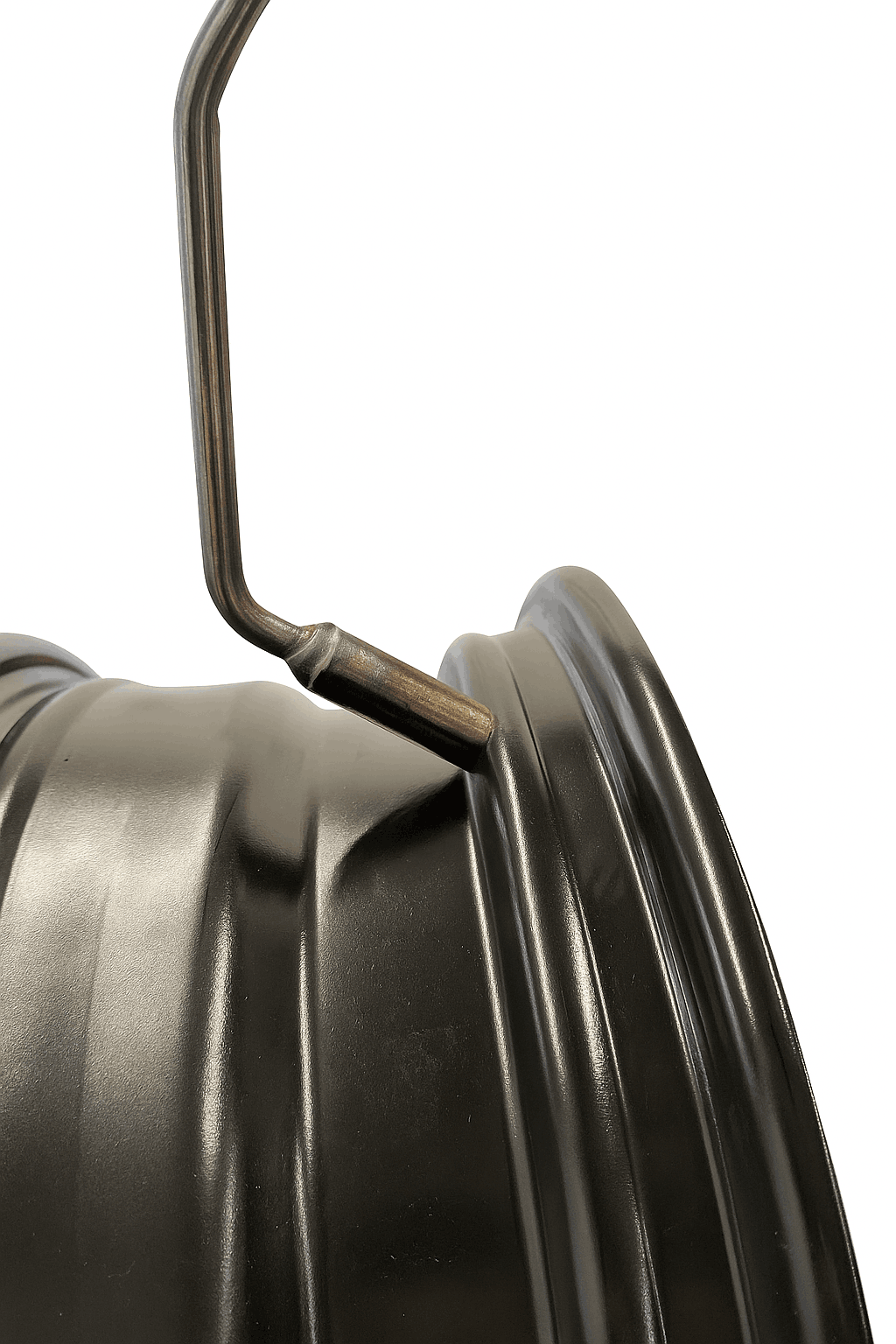
Designed for secure, repeatable wheel hanging while maintaining a controlled contact point. The system supports efficient loading and consistent presentation on finishing lines where dependable suspension and grounding are essential.

View Wheel Hook System
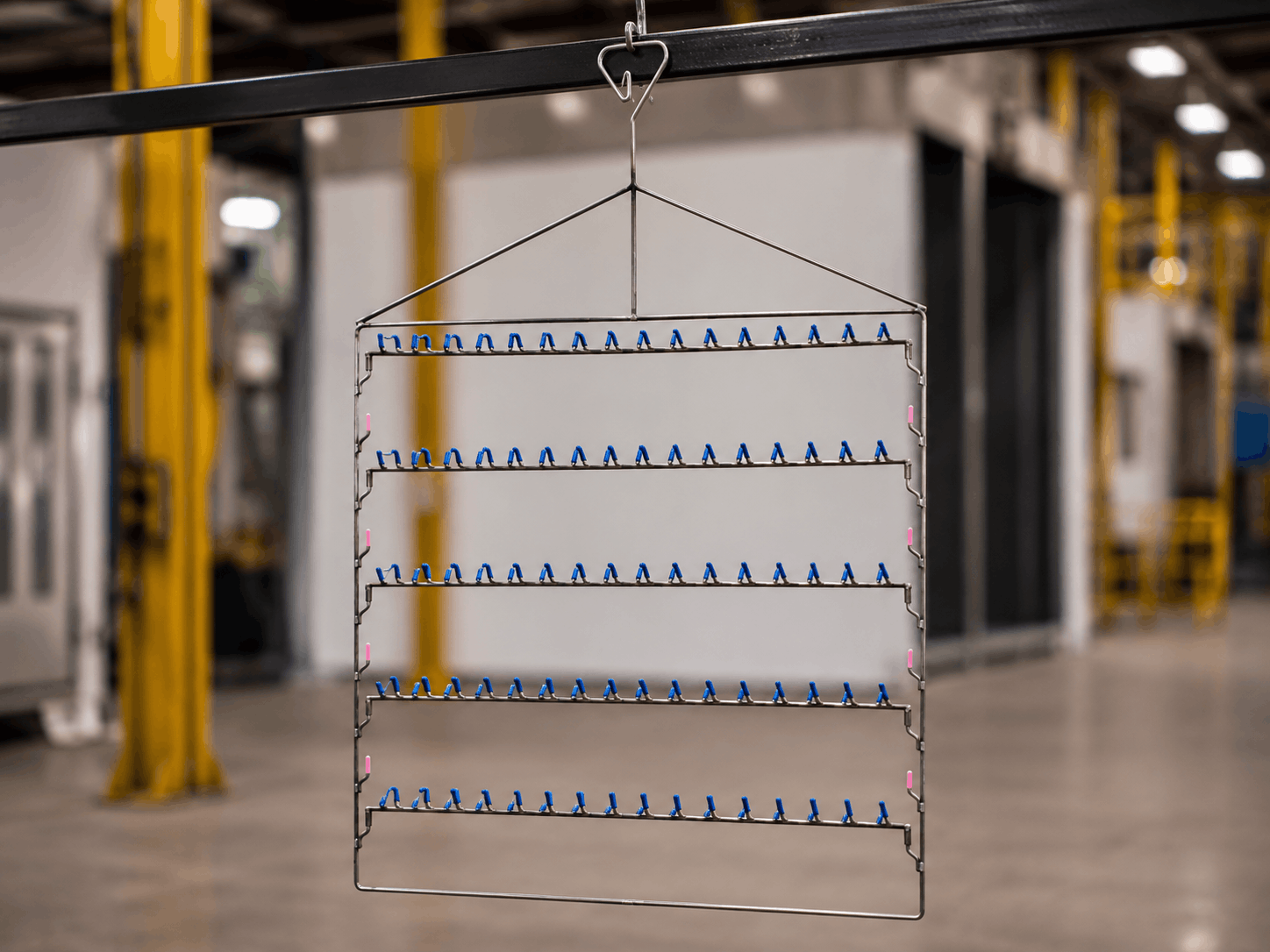
EPSI Hanging Adapter for automotive finishing racks

Hanging Adapter

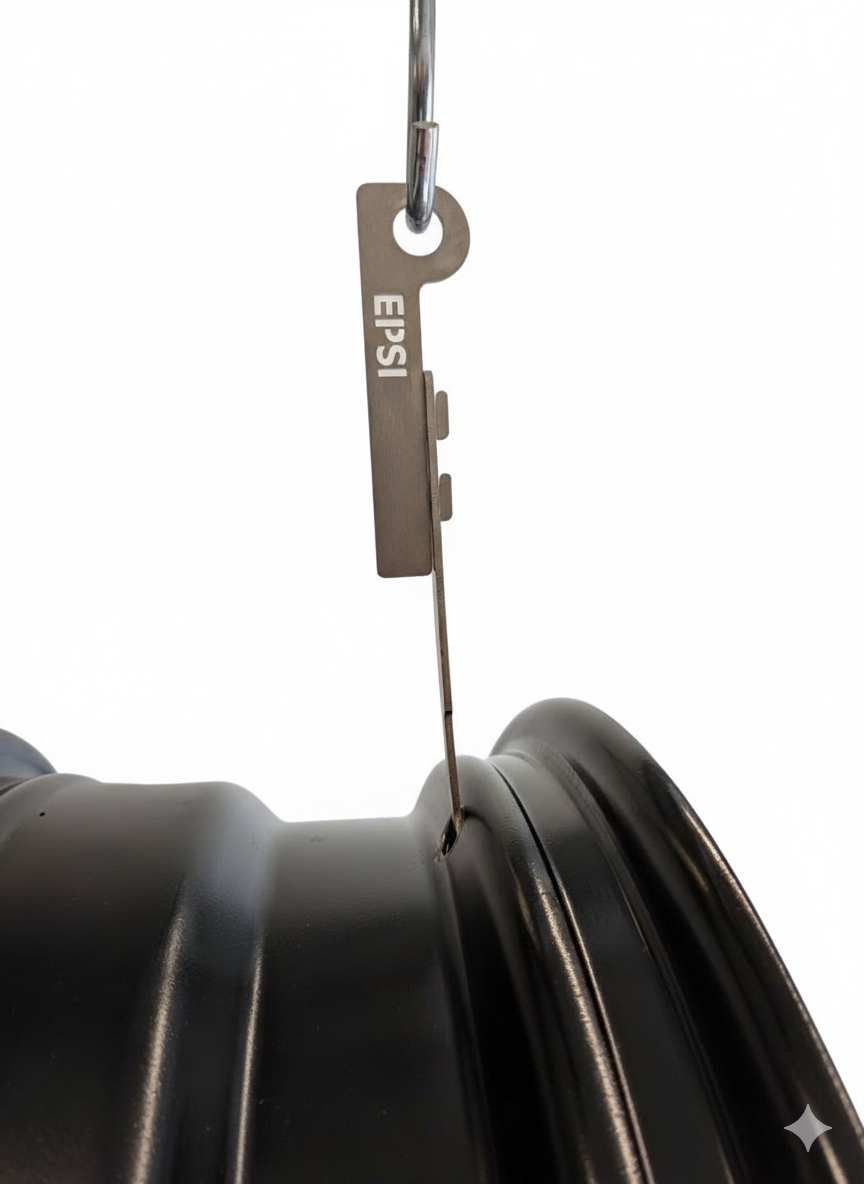
A simple plug-and-go hanging solution that adds flexibility without screws or tools. The adapter can help finishing teams change hanging configurations quickly while silicone masking helps protect the connection area.

View Hanging Adapter
EPSI masking products for automotive powder coating and surface finishing

Masking Products

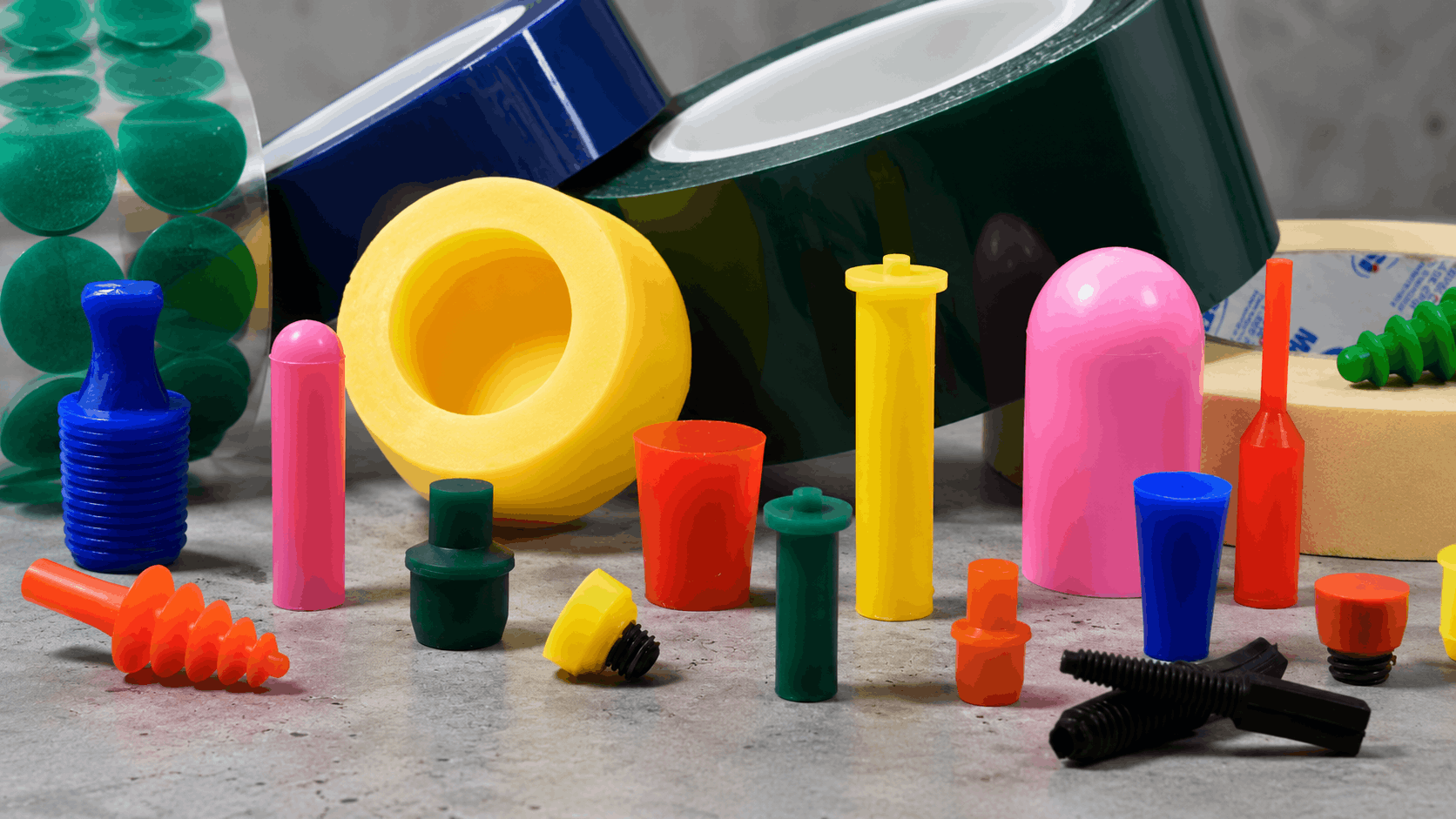
Protect threads, holes, ports, mating surfaces, electrical contacts, and other finish-critical areas with masking products designed for industrial finishing environments. EPSI offers caps, plugs, tapes, discs, and other solutions for repeatable automotive masking applications.

Explore Masking Products
EPSI custom racking for automotive powder coating and surface finishing

Custom Racking

Build the rack around the part, process, and production goals. EPSI custom racking solutions can help automotive finishers improve part orientation, grounding, line density, loading efficiency, and repeatability for components that need more than a standard hanging setup.

Explore Custom Racking
EPSI modular racking system for automotive surface finishing

Modular Racking

Adapt rack configurations as automotive parts, production runs, and finishing requirements change. EPSI modular racking combines reusable frames, crossbars, and hanging components to create flexible setups without requiring a completely dedicated rack for every application.

Explore Modular Racking
Built for the Process, Not Just the Part

Automotive surface finishing depends on control, repeatability, and the right tooling.

Automotive finishing operations handle everything from wheels and brackets to housings, frames, suspension components, fabricated assemblies, and precision parts. Each one brings its own masking points, grounding requirements, geometry, coating specification, and production volume.

That is why the best powder coating supplies for automotive applications are not simply products pulled from a shelf. The masking material has to survive the process. The rack has to hold the part securely and present it correctly. Contact points need to remain effective. Operators need a method they can repeat shift after shift without creating unnecessary touch time.

EPSI works with finishing teams to connect those requirements. Standard products can solve many applications quickly, while custom masking, custom and modular racking, and inventory support can address the processes where fit, throughput, or consistency demand more.

Masking that matches the lineTemperature, chemistry, geometry, coverage, removal, and reuse all matter.
Racking that supports the finishPart orientation, density, contact, grounding, and handling affect results upstream and downstream.
Standardization that reduces variationRepeatable tools and work methods make training and production easier to control.
Support beyond the productEPSI can help evaluate the full masking, hanging, and replenishment process.

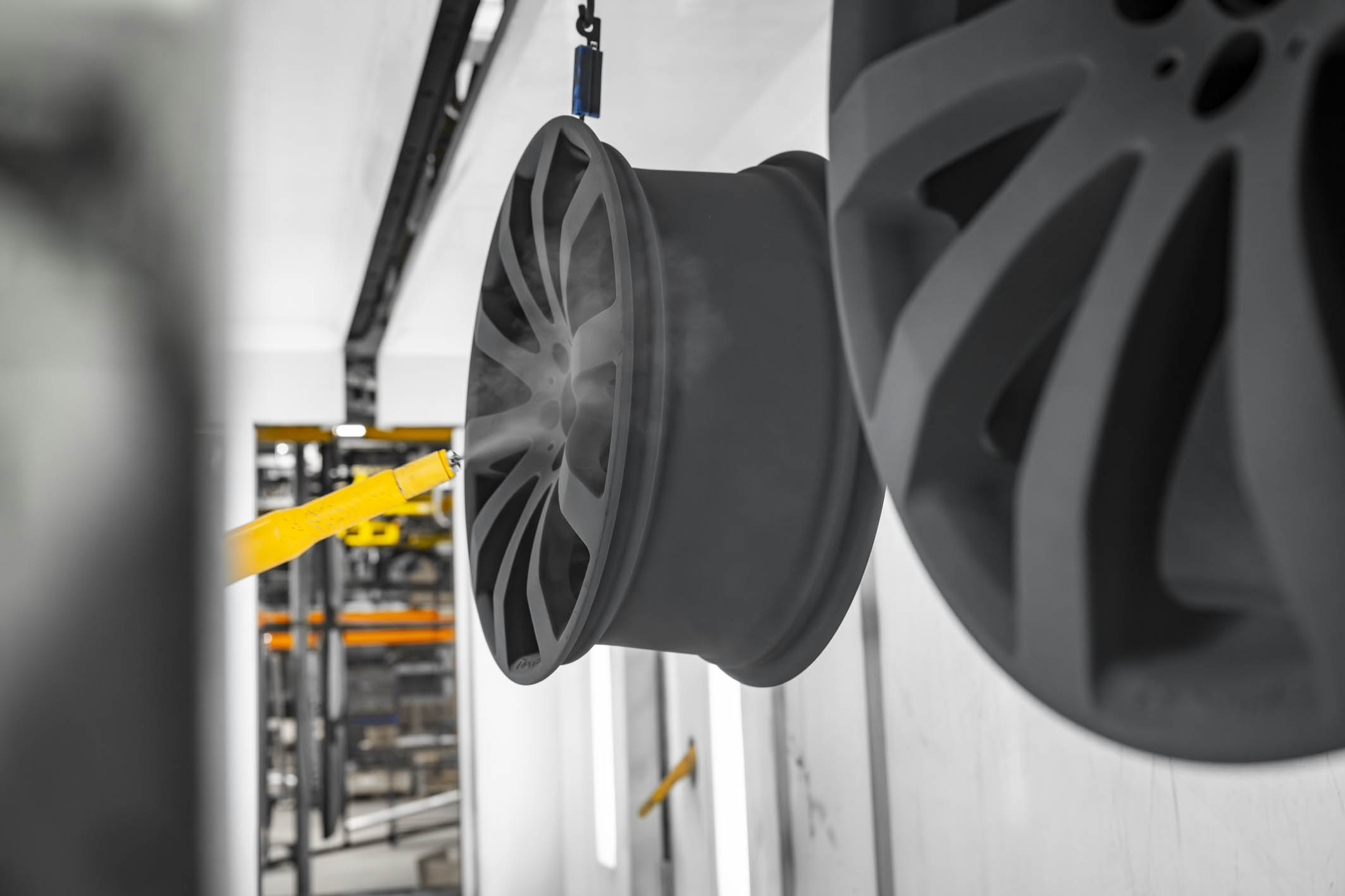
Automotive wheel rims moving through a powder coating surface finishing process
Selection Tips

How to Select Automotive Masking & Racking Solutions

Start with the finish specification, then work backward through the part, the line, and the operator workflow. A product that technically survives the process can still be the wrong choice if it slows handling or creates inconsistent results.

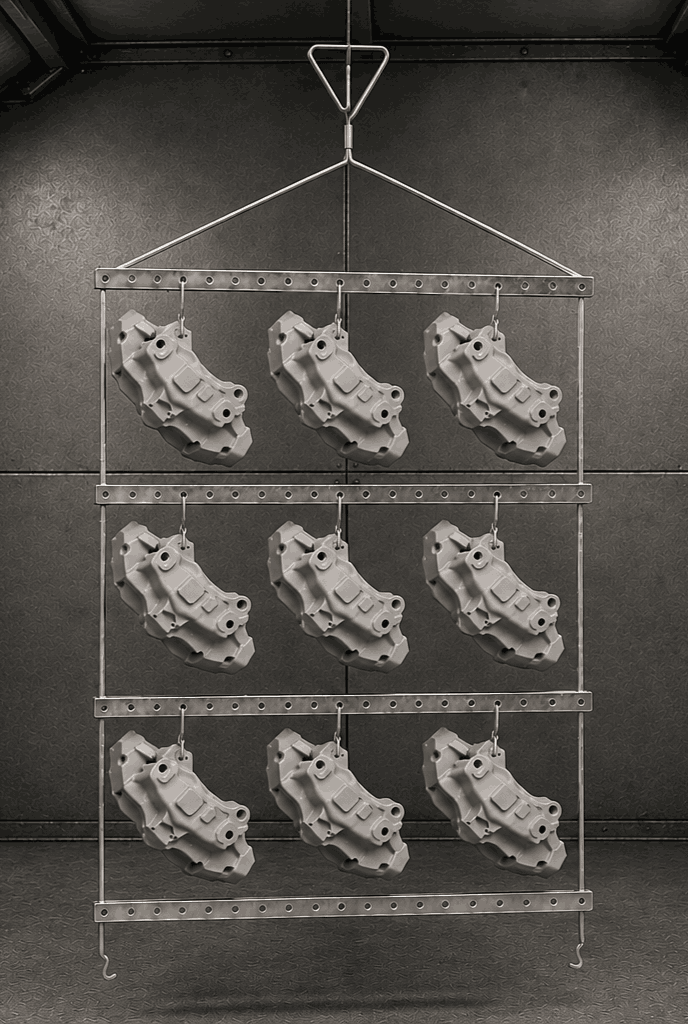
Automotive brake calipers loaded on an EPSI Cross-N-Click rack in a coating booth
1

Define the finishing process

Identify powder coating, e-coating, plating, anodizing, wet paint, blasting, cleaning, or multi-step exposure. Temperature and chemistry determine which materials are viable.

2

Map every protected surface

Document threads, bores, hub faces, mating surfaces, electrical contacts, seal areas, ports, and other features that must remain free of coating.

3

Evaluate hanging and grounding

Choose contact points and rack geometry that hold parts securely, support electrical continuity, preserve finish-critical areas, and fit conveyor spacing.

4

Measure operator touch time

Compare not only product price but also installation, loading, removal, cleaning, and changeover time. Small handling improvements scale quickly at automotive volumes.

5

Standardize where possible

Repeatable masking kits, rack configurations, color coding, and work instructions can reduce variation across shifts, lines, plants, or frequently repeated part families.

6

Plan replenishment and reuse

Account for consumption, coating buildup, burn-off or cleaning, reusable life, storage, and replacement cycles so the chosen solution works operationally as well as technically.

Processes We Support

Common Applications

Automotive components may move through several finishing and preparation processes. EPSI masking and racking solutions can help protect defined surfaces, support part handling, and create more repeatable production methods across those steps.

PC

Powder Coating

Protect critical surfaces, hang parts securely, maintain grounding, and create repeatable setups before cure.

Explore Application
EC

E-Coating

Control coating coverage on connection points, mating surfaces, threads, and other defined automotive features.

Explore Application
PL

Plating

Mask selected areas while supporting clean boundaries on threads, bores, fittings, and precision surfaces.

Explore Application
AN

Anodizing

Protect areas that must remain free from anodized finish while supporting consistent part handling.

Explore Application
WP

Wet Paint

Temporarily protect threads, connectors, mating surfaces, ports, and other areas during spray or dip processes.

BL

Blast Protection

Shield defined surfaces and sensitive features during abrasive preparation or cleaning before finishing.

TH

Thread Protection

Keep male and female threads clear of coating, contamination, debris, and handling damage during production.

SS

Shipping & Storage Protection

Protect exposed ends, fittings, ports, and finished or unfinished surfaces before assembly or final use.

Continue Shopping

Recently Viewed Products

Continue with the EPSI products you were reviewing, with featured automotive solutions to round out the selection.

Automotive Inventory & Replenishment

Keep high-use finishing supplies at the line—not on an emergency order.

Automotive production depends on repeatability, and running out of a critical masking size, hook, cap, plug, or other finishing consumable can disrupt an otherwise well-planned schedule. EPSI's Vendor Managed Inventory program helps maintain agreed inventory levels around actual usage.

With planned replenishment and better visibility into recurring demand, VMI can reduce stockouts, emergency freight, excess purchasing activity, and the time operators spend searching for the supplies they need.

  • Maintain critical masking and finishing supplies
  • Reduce emergency purchases and freight
  • Support repeatable production schedules
  • Simplify purchasing administration
  • Improve visibility into recurring usage
  • Keep frequently used items closer to demand
Explore VMI Support

Need help choosing?

Automotive masking and racking decisions can involve temperature, chemistry, part geometry, grounding, conveyor spacing, production volume, removal time, and reuse. EPSI can help you identify the right product path.

Related Articles

Improve the processes around coating—not just the coating itself.

Explore practical guidance on reducing rework, improving throughput, and standardizing masking in powder coating operations.

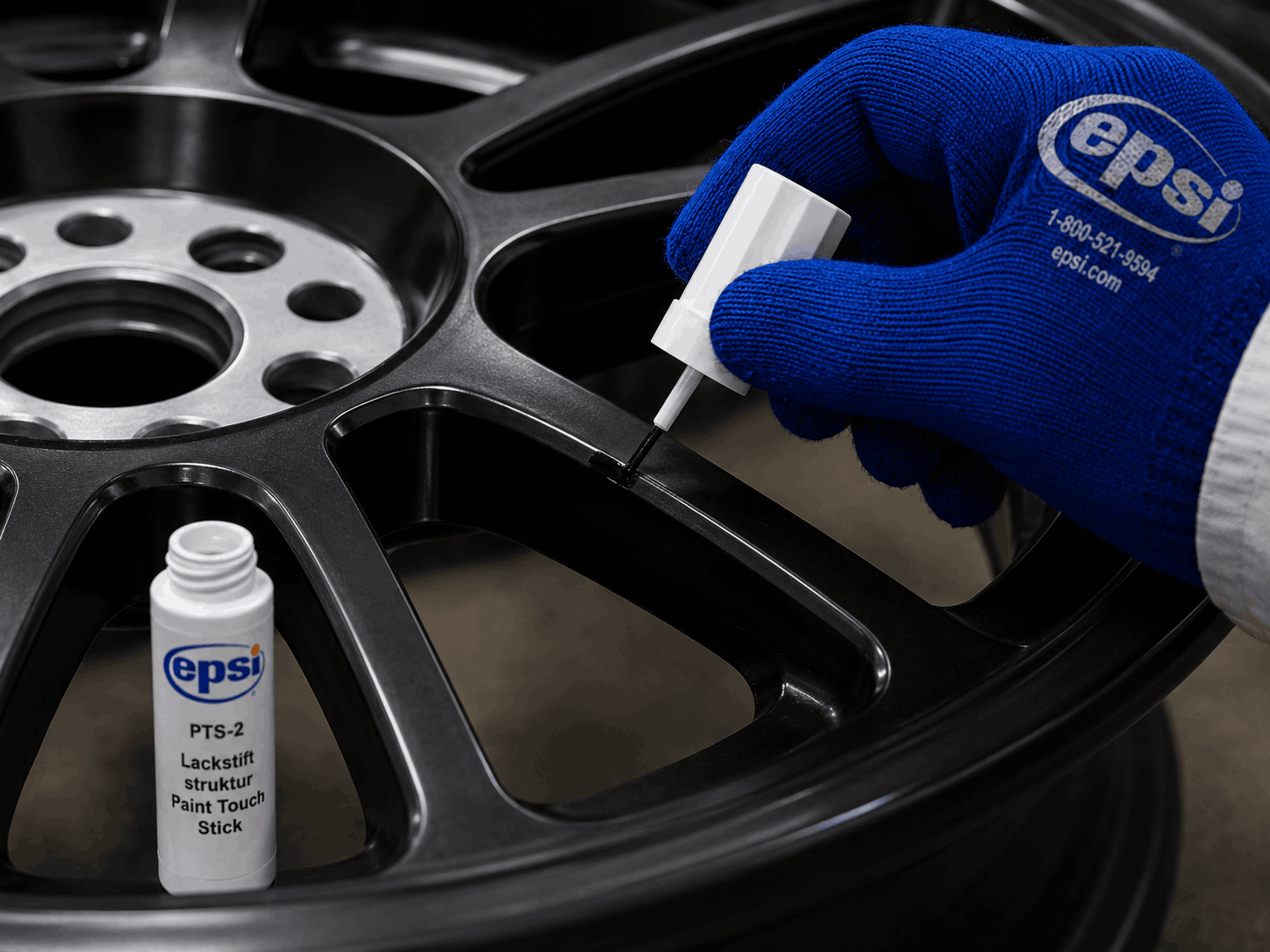
Powder coating touch-up and rework on a finished part

Rework in Powder Coating: Where It Really Starts and How to Reduce It

Read Article
Industrial powder coating line throughput

10 Ways to Improve Powder Coating Throughput

Read Article
Reusable masking products used in a standardized powder coating process

Standardized Masking for Powder Coating Process Improvement

Read Article
Frequently Asked Questions

Automotive Powder Coating & Surface Finishing FAQs

Answers to common questions about powder coating supplies for automotive parts, masking, racking, wheel finishing, grounding, customization, reuse, process improvement, and inventory planning.

What powder coating supplies are commonly used for automotive parts?

Automotive powder coating operations commonly use high-temperature masking caps, plugs, tapes, discs, hooks, racks, hanging accessories, and application-specific masking tools. The exact mix depends on the component, coating specification, cure temperature, grounding method, and surfaces that must remain coating-free. Wheel finishing may also use dedicated wheel masks and hanging systems to standardize hub protection and part presentation.

Why is masking important in automotive powder coating?

Masking keeps powder and cured coating away from surfaces that must remain functional or dimensionally controlled. Common examples include threads, bores, hub faces, electrical contacts, sealing surfaces, ports, and mating areas. Correct masking can reduce cleanup, rework, assembly problems, and coating removal after cure. It also helps create consistent boundaries that operators can reproduce across large quantities of automotive components.

How do I choose masking materials for an automotive finishing line?

Begin with the highest temperature, dwell time, chemistry, and mechanical exposure the masking product will experience. Then consider the geometry being protected, required fit, ease of installation and removal, and whether the mask will be reused. Silicone is common in high-temperature coating processes, while other materials may suit lower-temperature or chemical-specific applications. Always match the product specification to the actual line conditions.

What makes automotive racking different from simply hanging a part on a hook?

Racking influences more than suspension. A well-designed rack supports part orientation, grounding, transfer through the line, spacing, coating access, loading density, operator ergonomics, and repeatability. Automotive components may require controlled contact points or orientation to protect Class A surfaces and mating features. Custom or modular racking can reduce improvised setups while helping the same process perform more consistently across repeated production runs.

How can better masking and racking reduce powder coating rework?

Rework can begin before powder is sprayed. Poor masking fit may allow coating onto critical surfaces, while unstable or poorly grounded parts can contribute to inconsistent coverage or handling damage. Standardized masking and well-maintained racks create repeatable setup conditions. They also reduce operator improvisation, making it easier to identify whether defects are coming from pretreatment, grounding, application, cure, handling, or another process step.

What is the benefit of a dedicated wheel masking system?

A dedicated wheel masking system can replace a patchwork of tapes, plugs, and improvised methods with a more repeatable setup. Standard mask sizes make it easier to train operators, control coverage, and prepare similar wheel families consistently. Reusable components can also reduce disposable material use. The biggest operational benefit is often reduced touch time and variation rather than simply the cost of the individual masking pieces.

Why does grounding matter when powder coating automotive components?

Powder coating relies on electrostatic attraction, so the part needs an effective conductive path to ground. Coating buildup on hooks and rack contact points can weaken that path over time. Poor grounding may contribute to inconsistent transfer efficiency, coverage challenges, or excess powder use. Racks, hooks, contact points, cleaning practices, and maintenance should therefore be treated as part of the finishing process rather than separate material-handling concerns.

Can EPSI create custom masking or racking for automotive parts?

Yes. Custom solutions can be useful when standard products do not fit the geometry, create too much installation time, fail to protect multiple features efficiently, or do not support the required hanging orientation. A custom project can consider part dimensions, coating process, temperature, line spacing, contact points, production volume, operator handling, and removal requirements so the solution is designed around the complete application.

Are reusable masking products worth using in automotive finishing?

Reusable masking can be valuable when the same applications run repeatedly and the material survives the process without losing fit or integrity. The financial comparison should include more than purchase price. Consider installation speed, removal time, cleaning, storage, coating buildup, usable life, scrap, and the labor required for disposable alternatives. A higher-cost reusable product can be economical when it reduces handling or replacement frequency.

How can automotive finishers reduce masking and demasking time?

Start by observing the actual operator workflow. Look for repeated measuring, trimming, searching, forcing undersized masks, removing difficult products, or rebuilding the same setup each run. Standard sizes, part-specific kits, easy-removal geometries, dedicated fixtures, clear storage, and consistent work instructions can all help. For high-volume work, even small time savings per part can create meaningful labor capacity across a shift.

How does Vendor Managed Inventory help automotive finishing operations?

Vendor Managed Inventory helps maintain agreed stock levels for regularly used masking, racking, and finishing supplies. Instead of waiting for an operator or buyer to notice a shortage, replenishment can be planned around usage. This can reduce emergency orders, freight costs, purchasing activity, and production interruptions. VMI is especially useful for plants that repeatedly consume the same cap, plug, tape, hook, or masking sizes.

What information should I provide when asking EPSI for automotive finishing help?

Useful information includes the part or drawing, the surface that must remain coating-free, process type, cure temperature, chemistry, conveyor or rack constraints, current masking or hanging method, production volume, and the problem you want to solve. Photos or short videos can also help explain the workflow. The more the application is understood as a complete process, the easier it is to recommend an effective product path.

})();