

.png)
Rework in Powder Coating: Where It Really Starts and How to Reduce It
Every powder coating operation strives for the same goal: a consistent, high-quality finish that moves from the coating line to shipping without delays or additional labor.
Yet even in well-managed finishing operations, rework remains one of the most common—and costly—production challenges.
When a part requires additional handling, touch-up, stripping, or recoating, the costs extend well beyond the price of the powder itself. Rework consumes labor, reduces throughput, increases energy consumption, and can delay customer deliveries.
The good news? Many rework issues don't begin in the spray booth. They start much earlier in the finishing process.
By identifying and correcting common upstream issues, manufacturers can reduce defects, improve first-pass quality, and keep production moving.
The good news: Many rework issues don't begin in the spray booth. They begin during masking, hanging, racking, and part preparation. This means they can often be prevented before coating even starts.

The True Cost of Rework
It's easy to think of rework as "just another step," but its impact is much larger than many facilities realize.
Every part that must be reworked may require:
- Additional labor
- Extra powder coating material
- Additional oven time
- Increased energy consumption
- More inspections
- Additional handling
- Delayed shipments
- Reduced production capacity
Even a seemingly minor defect can ripple through the rest of the production schedule.
More importantly, rework ties up valuable production resources that could be processing new parts instead.
Many Defects Begin Before Powder Is Applied
When coating defects appear after curing, it's natural to investigate the spray equipment or curing process first.
While those areas certainly matter, many quality issues actually originate during part preparation.
A successful powder coating process depends on everything that happens before the part reaches the booth.
That includes:
- How the part is masked
- How it's supported on the rack
- The condition of hooks and contact points
- Operator consistency
- Part handling
Improving these foundational steps often leads to measurable improvements in coating quality.
.jpg)
Five Common Causes of Powder Coating Rework
1. Inconsistent Masking
Improper masking can allow powder to reach areas that should remain uncoated or expose surfaces that should have been protected.
Depending on the application, this can result in:
- Coating on threaded holes
- Powder buildup in critical openings
- Poor masking lines
- Additional cleanup after curing
- Rework before assembly
Using properly sized masking components and standardizing masking procedures helps reduce variation between operators and production runs.
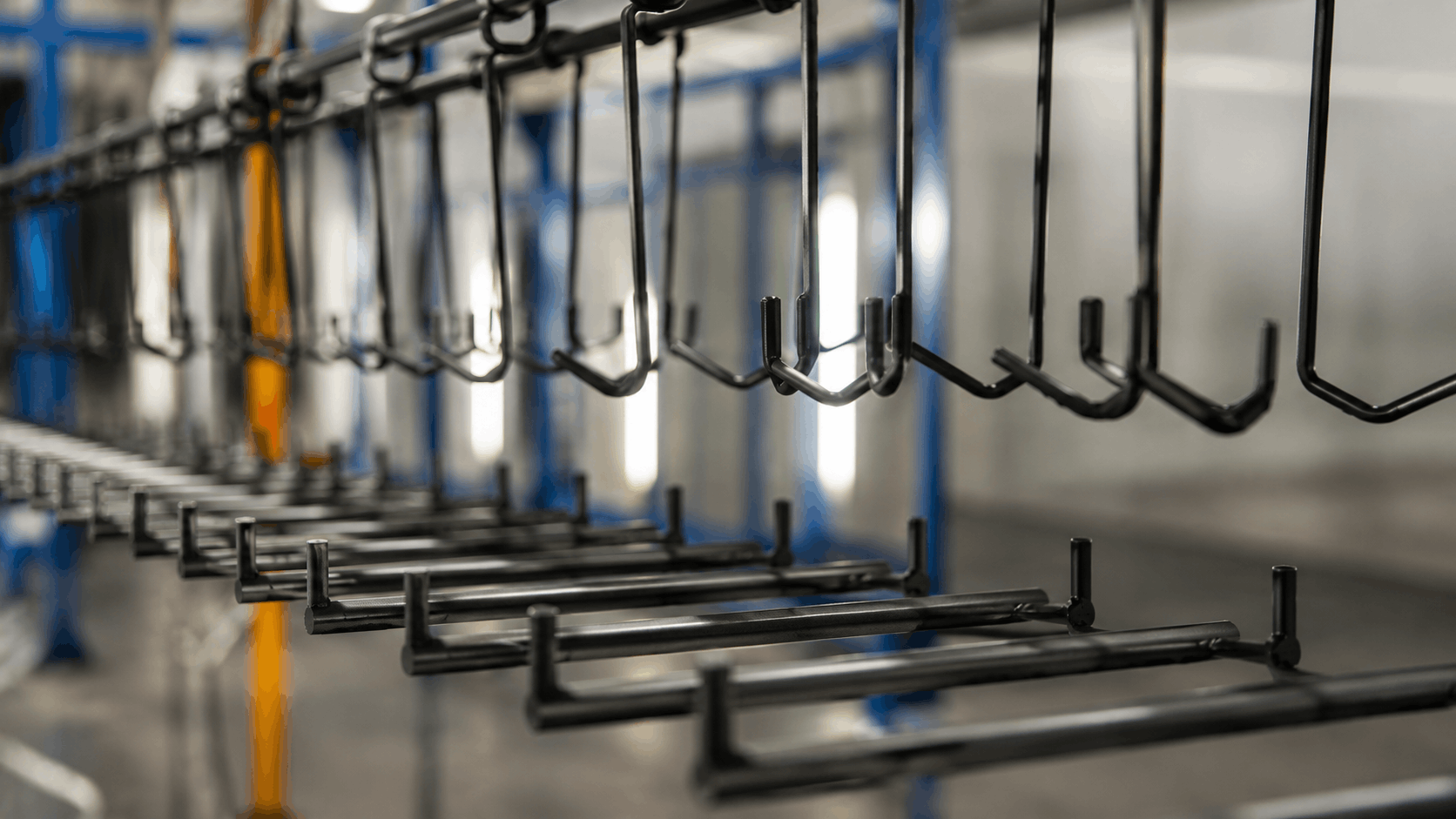
2. Worn or Damaged Hooks
Hooks are one of the hardest-working components on a powder coating line, yet they're often overlooked until problems develop.
Over time, hooks can experience:
- Excessive powder buildup
- Wear
- Corrosion
- Bending
- Reduced electrical contact
These issues may affect part stability and grounding, contributing to inconsistent coating performance.
A simple routine inspection can identify hooks that should be cleaned or replaced before they impact production.
3. Poor Part Presentation
The way a part is supported throughout the coating process plays a major role in achieving consistent results.
If a part shifts during transport or hangs differently from one production run to the next, coating quality can become less predictable.
Proper racking should help:
- Securely support the part
- Maintain consistent orientation
- Minimize unnecessary handling
- Improve repeatability across production
When production changes frequently, modular racking systems can also simplify changeovers while maintaining consistent part presentation.
4. Excessive Part Handling
Every time a part is touched, repositioned, or transferred, there is an opportunity for damage.
Additional handling may lead to:
- Scratches
- Chips
- Surface contamination
- Cosmetic defects
- Increased labor
Designing finishing processes that minimize unnecessary handling helps protect finished parts while improving overall efficiency.
5. Small Defects That Become Big Delays
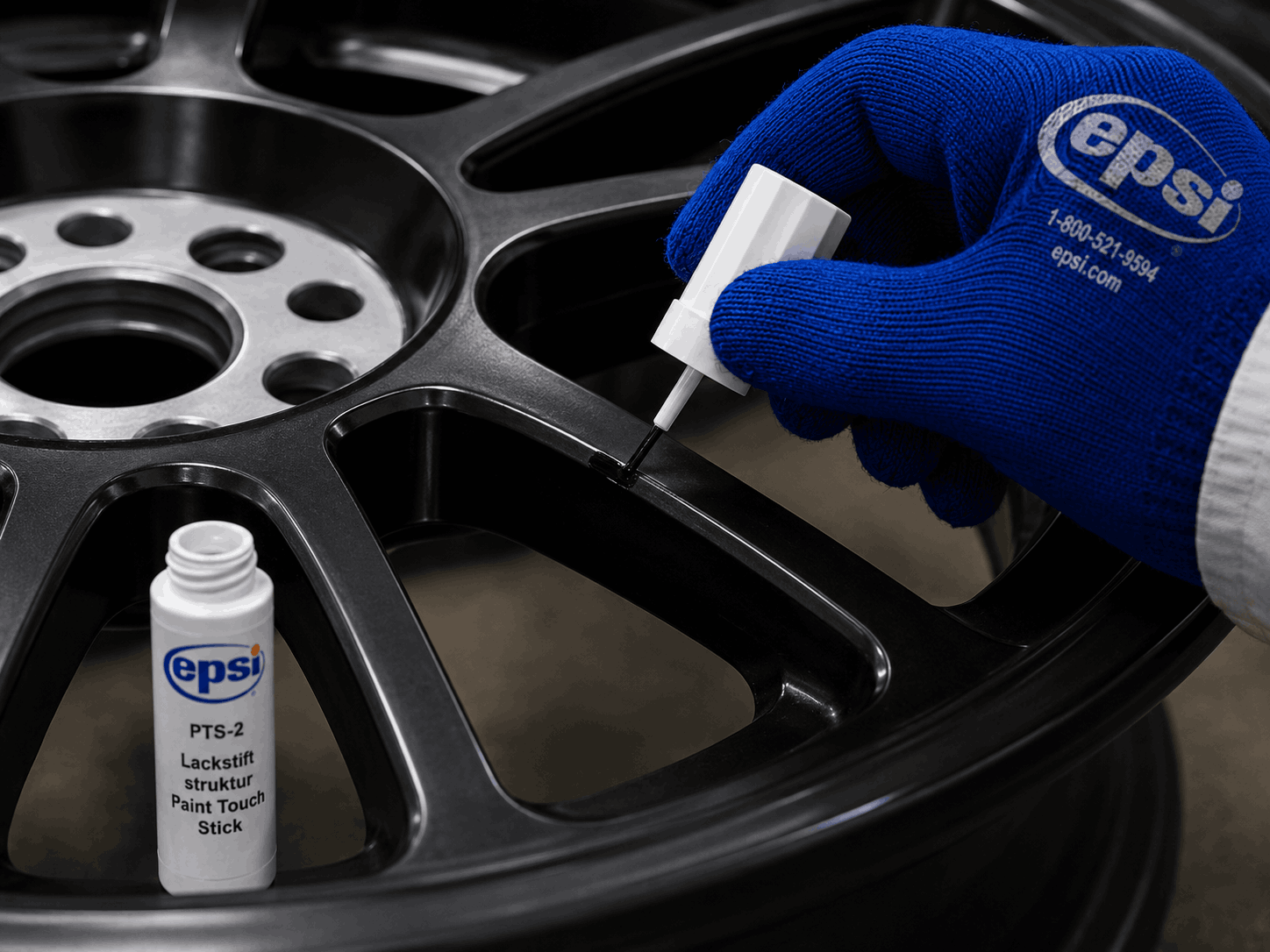
Not every coating imperfection requires stripping and recoating an entire part.
Minor issues such as:
- Small chips
- Handling marks
- Cosmetic scratches
- Tiny coating voids
can often be corrected quickly when appropriate touch-up materials are available.
Having a standardized touch-up process helps prevent small cosmetic defects from delaying shipments.
.jpg)
Build Consistency Into Every Step
One of the most effective ways to reduce rework is by reducing variation. When every operator prepares parts differently, inconsistencies naturally develop over time.
Standardizing preparation procedures helps create repeatable results by ensuring:
- Parts are masked the same way every time.
- Operators use the appropriate hanging methods.
- Hooks are routinely inspected and replaced.
- Racking systems consistently position parts.
- Minor defects are addressed efficiently.
A clean hook is not automatically a healthy hook. Always evaluate both the surface condition and the underlying shape, strength, and contact points.
A Simple Rework Reduction Checklist
Consider reviewing the following questions with your production team:
✔ Are masking procedures standardized?
✔ Are hooks routinely inspected for wear, corrosion, or coating buildup?
✔ Does your racking system securely support every part?
✔ Has unnecessary handling been minimized?
✔ Do operators have an efficient process for correcting minor cosmetic defects?
If any of these questions are difficult to answer confidently, there may be opportunities to improve your finishing process.
How EPSI Helps Manufacturers Reduce Rework
Reducing rework rarely comes from a single product or process change. Instead, it comes from improving the small details that influence every finished part.
EPSI offers engineered solutions that help manufacturers improve consistency throughout the finishing process, including:
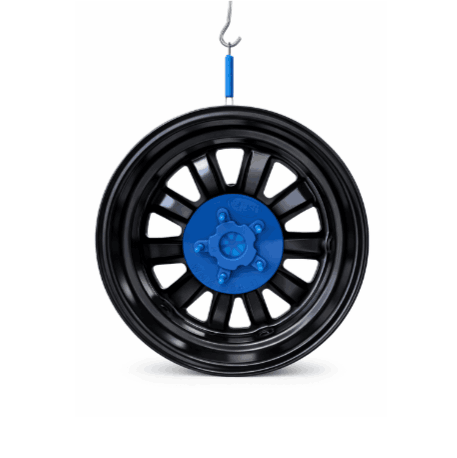
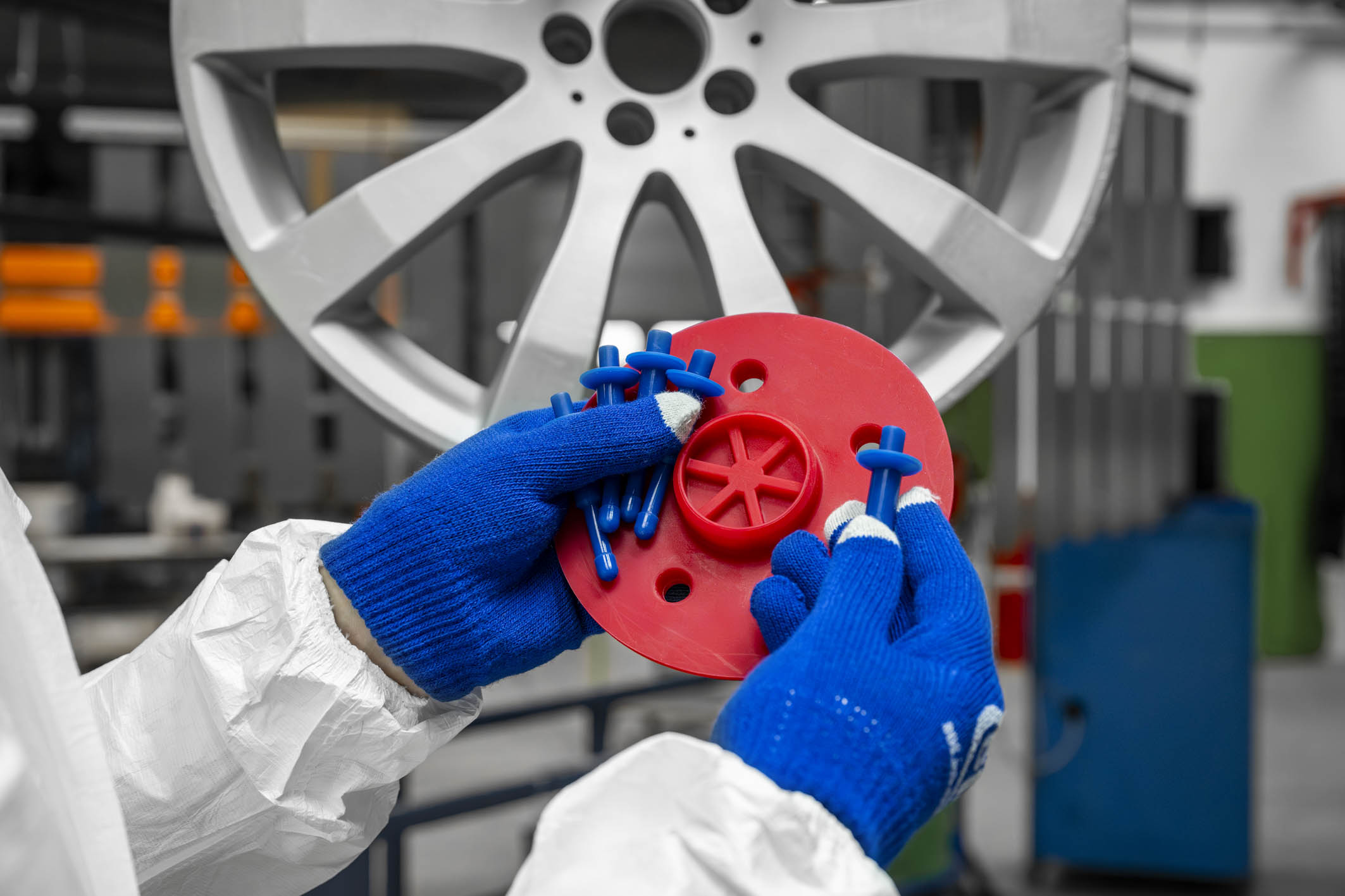
Wheel Masking Kit
Designed to help standardize wheel masking while simplifying preparation and protecting critical surfaces.
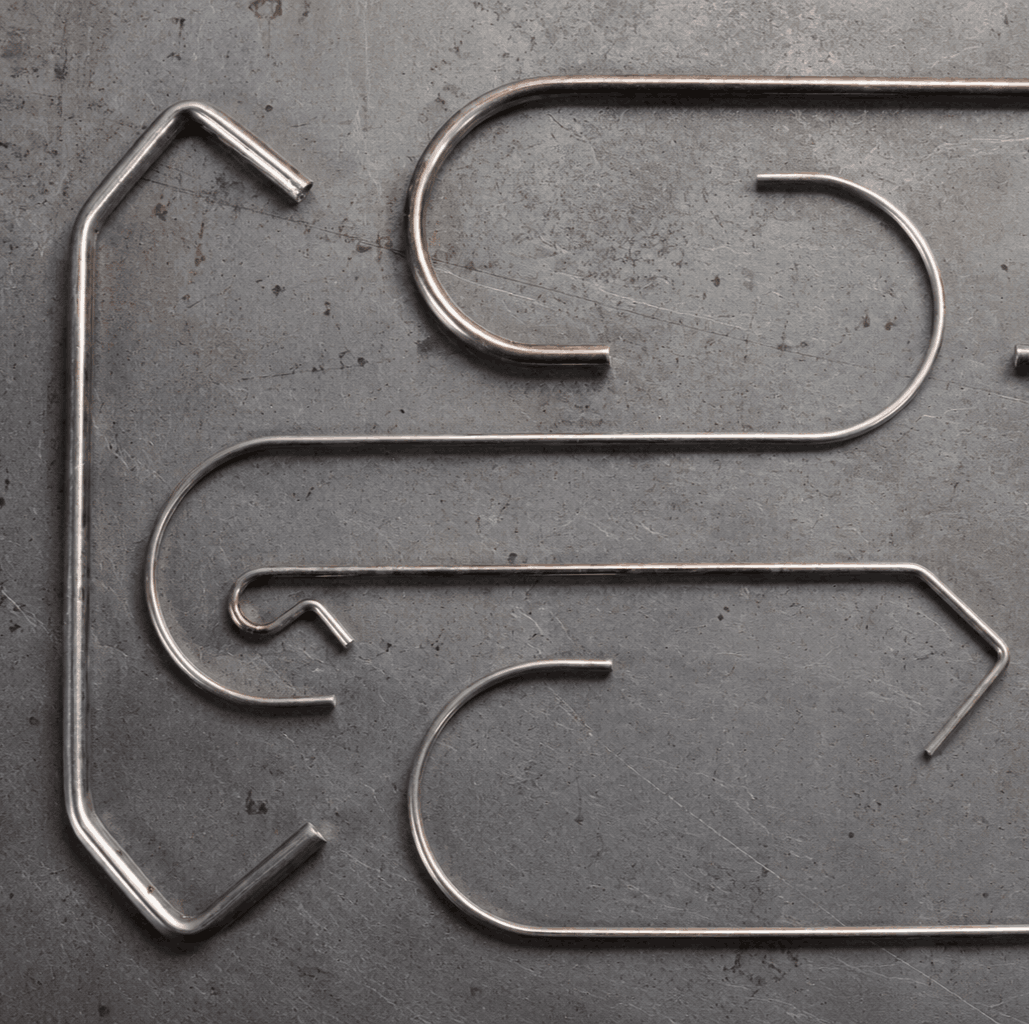
Powder Coating Hooks
Engineered hanging solutions designed to provide reliable support and electrical contact throughout the coating process.
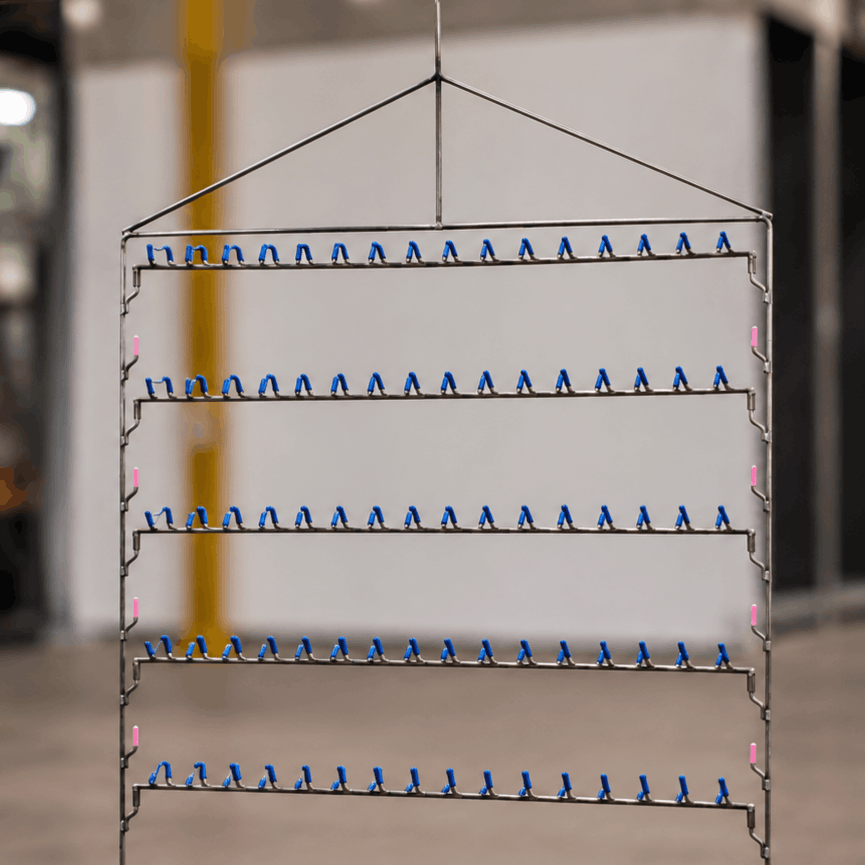
Modular & Custom Racking
Racking systems designed around your parts, production requirements, and finishing process to improve consistency and reduce unnecessary handling.
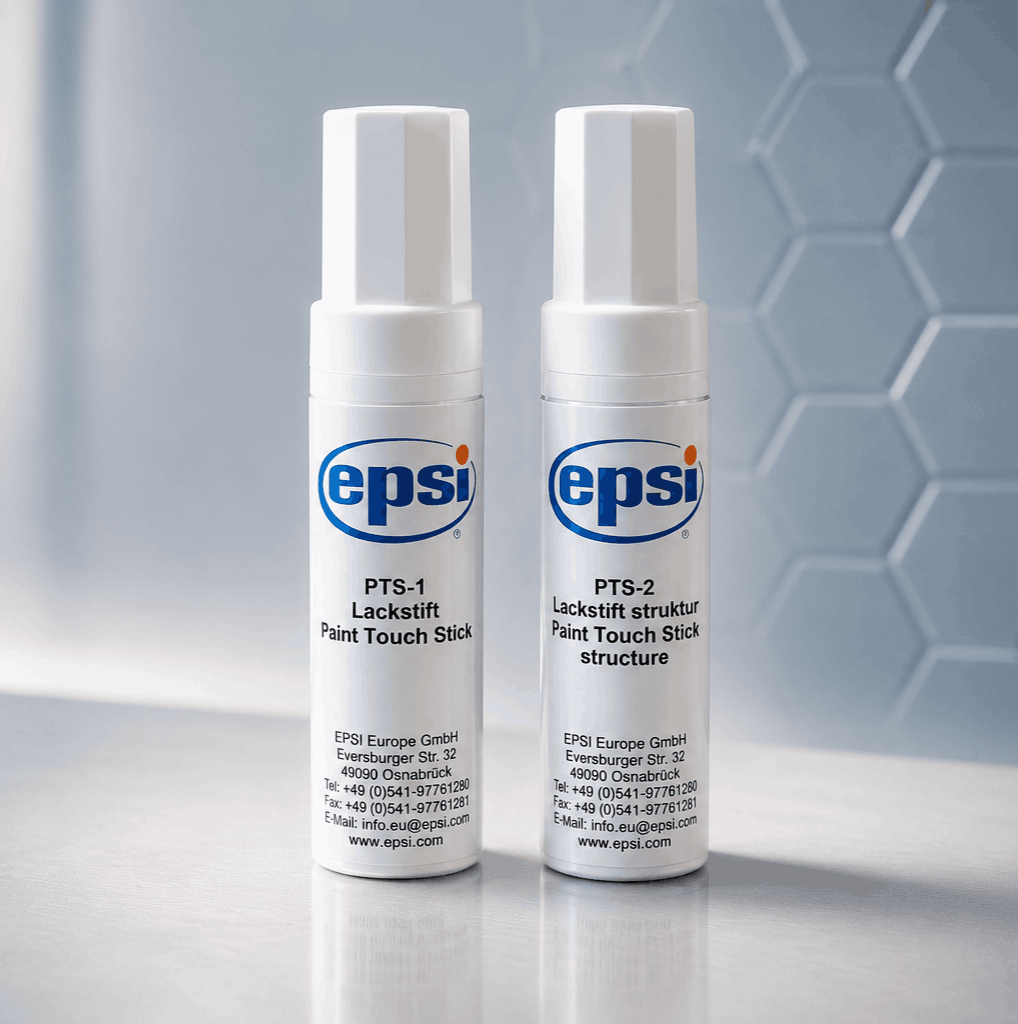
Paint Touch Sticks
A convenient solution for repairing minor powder coating imperfections using the original powder coating material, helping address small cosmetic defects quickly.
Reduce Rework Before It Starts
The most effective way to reduce rework isn't simply reacting faster after defects appear—it's preventing those defects from happening in the first place.
By evaluating the entire finishing process—from masking and hanging to racking and final inspection—manufacturers can uncover opportunities to improve consistency, reduce wasted labor, and increase throughput.
Small improvements made before powder is ever applied often deliver the biggest impact after the coating has cured.
If you're looking for ways to improve your powder coating process, the experts at EPSI can help you identify practical solutions tailored to your operation.
Ready to reduce rework and improve consistency? Explore EPSI's masking, hanging, racking, and custom engineering solutions or contact our team to discuss your application.

Frequently Asked Questions
What causes rework in powder coating?
Rework in powder coating is typically caused by issues that occur before powder is ever applied. Improper masking, worn hooks, inconsistent part presentation, excessive handling, poor grounding, contamination, and inadequate preparation can all contribute to coating defects. These problems often result in additional labor, wasted powder, increased energy consumption, delayed shipments, and reduced production capacity. Identifying and correcting these upstream issues helps manufacturers improve first-pass quality and reduce the need for stripping, recoating, or cosmetic touch-ups.
How can manufacturers reduce powder coating rework?
Reducing powder coating rework begins with standardizing the entire finishing process. Consistent masking procedures, properly maintained hooks, well-designed racking systems, and careful part handling all help minimize variation that can lead to coating defects. Routine inspections and preventive maintenance also allow small problems to be corrected before they impact production. By focusing on process consistency instead of reacting to defects after they occur, manufacturers can improve throughput, reduce waste, and increase first-pass success.
Can poor masking cause powder coating defects?
Yes. Improper masking is one of the most common causes of powder coating rework. If masking products are incorrectly sized, improperly installed, or inconsistently applied, powder may reach surfaces that should remain uncoated or leave critical areas exposed. This can create unwanted coating on threaded holes, sealing surfaces, electrical contact points, or precision features. Using high-quality masking products and standardized masking procedures helps produce cleaner masking lines and more consistent results throughout production.
How do hooks affect powder coating quality?
Hooks play an important role in supporting parts and maintaining reliable electrical contact throughout the powder coating process. Over time, hooks can become bent, corroded, worn, or covered with excessive coating buildup, reducing their effectiveness. Poor hook condition may contribute to inconsistent grounding, unstable part positioning, or uneven coating performance. Regular inspection, cleaning, and replacement of worn hooks helps maintain consistent production and reduce the likelihood of rework.
Why is proper racking important in powder coating?
A well-designed racking system helps ensure parts remain securely positioned throughout pretreatment, coating, curing, and handling. Proper racking improves part presentation, reduces unnecessary movement, supports consistent coating coverage, and minimizes handling damage. Custom and modular racking systems can also improve changeover efficiency while accommodating different part geometries. By providing repeatable positioning from one production run to the next, effective racking helps reduce variability that often leads to rework.
When should powder coating defects be repaired instead of recoated?
Minor cosmetic defects such as small chips, scratches, handling marks, or tiny coating voids can often be repaired using appropriate powder coating touch-up products without stripping and recoating the entire part. Larger defects that affect appearance, corrosion protection, coating adhesion, or product performance may require more extensive corrective action. Establishing clear repair guidelines helps manufacturers determine when touch-up is appropriate and when complete recoating is necessary.
What are the hidden costs of powder coating rework?
The cost of powder coating rework extends far beyond additional powder. Every reworked part requires extra labor, additional handling, more inspections, increased oven time, and higher energy consumption. Rework also reduces available production capacity, interrupts scheduling, delays shipments, and increases overall manufacturing costs. Preventing defects before coating begins is often far more cost-effective than correcting them after the part has already moved through the finishing process.
How does EPSI help reduce powder coating rework?
EPSI helps manufacturers reduce rework by improving consistency throughout the finishing process. From masking products and powder coating hooks to modular racking, custom engineered solutions, and powder coating touch-up products, EPSI provides solutions designed to improve part presentation, protect critical surfaces, reduce handling, and support repeatable production processes. Working with experienced finishing specialists can help identify practical opportunities to improve quality, reduce waste, and increase first-pass success.
See Related Articles
Explore more resources on grounding, powder coating, racking, and finishing line performance.
Ready to Reduce Powder Coating Rework?
EPSI can help you improve masking, hanging, racking, part presentation, and touch-up processes to support more consistent finishing results.