

.png)
You're Spending More Time Masking Than You Think
In a finishing operation, a few seconds rarely feel significant.
An operator spends an extra 20 seconds masking a part. Another takes 15 seconds longer removing the masking after cure. Someone walks across the work area to find the right plug size. A piece of tape has to be trimmed by hand. A cap doesn't fit quite right, so the operator tries another.
None of those moments seems like a major production problem.
Multiply them by hundreds—or thousands—of parts, however, and the math changes quickly.
Masking can be one of the most labor-intensive steps in powder coating and other industrial finishing processes. On complex parts with multiple masked features, the time required to apply and remove masking can become a significant portion of the total processing time.
Yet masking labor can be surprisingly difficult to see because it isn't necessarily recorded as one large block of downtime. Instead, it happens a few seconds at a time, all day long.
That makes an important question worth asking:
How much time are you actually spending masking?
Small masking delays add up fast.
Masking Time Is More Than Putting on a Cap or Plug
When manufacturers think about masking labor, the first thing that comes to mind is usually application: the time it takes an operator to put a plug into a hole, slide a cap over a stud, or apply tape to a no-coat area.
But that's only part of the process.
The true masking cycle may include:
- Identifying which areas need to be masked
- Locating the correct masking material
- Selecting the appropriate size
- Cutting or trimming tape
- Applying caps, plugs, discs, or tape
- Checking placement before coating
- Removing masking after processing
- Separating reusable masking from disposable materials
- Cleaning or preparing reusable masking for another cycle
- Returning masking materials to storage
- Cleaning up adhesive, coating, or other residue when necessary
Depending on the application, the time spent removing the masking can be just as important as the time spent installing it.
That's why looking only at application time can significantly underestimate the labor involved.
The more useful metric is total masking touch time: all of the hands-on labor required to mask and demask a part from beginning to end.
The Math Is Different in a Job Shop—but it Still Matters
High-volume operations make the multiplication easy to see. If you're masking tens of thousands of identical parts, shaving seconds from each cycle obviously matters.
Job shops face a different challenge.
A job shop might mask 25 of one part today, 150 of another tomorrow, and five highly complex parts the next day. Part geometry, masking requirements, and order quantities continually change.
That variability can make masking labor even harder to recognize.
Operators may need to determine the masking approach for each new job, locate different materials, cut tape manually, test different plug or cap sizes, or switch methods throughout the day. Expandable or multi-size masking products can be particularly useful in job-shop environments because the shop may not know what thread or feature sizes will arrive next.
Industry accounts describe traditional masking areas where operators manually punch, cut, tear, and trim tape to fit individual parts. Depending on part complexity and quantity, that manual masking can consume hours for a job and create variation from one masked part to the next.
Imagine a job shop handling a 100-piece order where masking and demasking requires three minutes per part.
That's five labor hours devoted to masking for one job.
If a better-fitting plug, cap, die-cut, or other masking method cuts the process to two minutes, the shop saves 100 minutes on that order alone.
Now multiply similar savings across dozens of different jobs throughout the year.
The individual production runs may be smaller, but the cumulative opportunity can still be substantial.

Start With a Masking Time Study
You don't need a sophisticated industrial engineering project to determine whether masking is consuming too much labor.
Start with a stopwatch.
Choose a part your facility runs regularly and observe the entire masking process.
Measure:
1. Material selection time
How long does the operator spend finding the correct masking materials?
If employees routinely search through bins of similar caps and plugs or walk to another area for supplies, that's part of the process.
2. Application time
Measure the time from when masking begins until the part is ready for the next production step.
Don't measure your fastest operator's best attempt. Observe several normal cycles.
3. Adjustments and corrections
Does the operator frequently reposition tape? Try several plug sizes? Trim material after application? Replace masks that don't fit correctly?
Those seconds count.
4. Demasking time
How long does it take to remove everything after finishing?
A masking solution that's quick to install but difficult to remove may simply shift labor to another part of the process.
5. Cleanup and handling
Does masking leave adhesive residue? Does excess coating need to be scraped away? Do reusable masks have to be sorted or cleaned?
Include that labor too.
Once you have a realistic average, multiply it by your production volume.
The result can be eye-opening.
Look for Repetition
Once you've measured masking time, don't immediately focus on making operators work faster.
Instead, look for steps that shouldn't need to take as long as they do.
Repetition is particularly important.
Does an operator cut the same piece of tape to roughly the same shape hundreds of times?
Are several individual plugs being installed where one purpose-designed mask might protect multiple features?
Are employees constantly sorting through similar sizes to find the correct cap?
Is an operator manually wrapping the same type of stud on every part?
Does masking have to be carefully trimmed around the same geometry over and over again?
Those aren't necessarily operator-efficiency problems.
They may be masking-method problems.
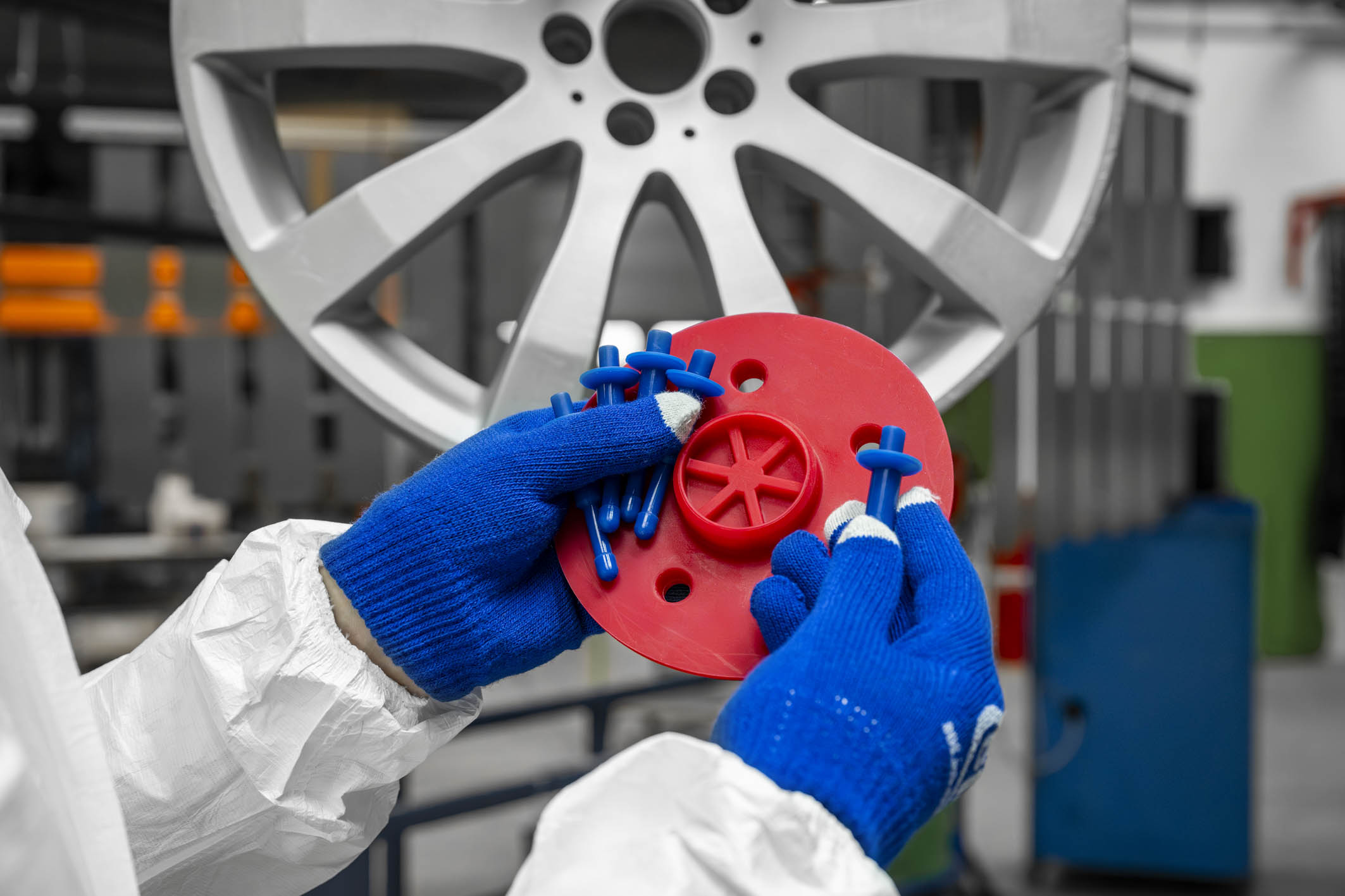
Pre-cut discs and die-cuts, for example, can eliminate manual tape cutting for repeat applications. Purpose-built caps and plugs can turn a multi-step masking process into a simple installation. And when standard masking products can't efficiently protect a complex geometry, a custom masking solution may combine several masking operations into one.
A real-world automotive brake-caliper application illustrates the principle. Manual tape application and trimming around complex surfaces had become a production bottleneck. Switching to custom die-cut masks substantially reduced application time and allowed the finishing operation to meet its required turnaround.
The right answer depends on the application, but the question is always worth asking:
Why are we masking this part this way?
Sometimes the answer is simply, “Because that's how we've always done it.”
That's a good process to investigate.
Look for steps that shouldn't need to take as long as they do.
Don't Ignore Removal Time
Masking improvements often focus heavily on application because that's the labor occurring before the coating line.
But demasking deserves equal attention.
Consider two hypothetical masking solutions:
Option A:
20 seconds to install
45 seconds to remove
Option B:
30 seconds to install
15 seconds to remove
If you're only measuring installation, Option A appears faster.
Measure total touch time and the picture reverses:
Option A: 65 seconds total
Option B: 45 seconds total
At 10 parts, the difference isn't especially meaningful.
At 50,000 parts per year, those 20 seconds represent approximately 278 labor hours.
That is why masking products shouldn't be evaluated only at the moment they're installed.
Look at the entire lifecycle.
When Does a Different Masking Method Make Sense?
Not every masking operation needs to be optimized.
If you coat five unusual parts once a year, spending time developing a custom masking solution probably doesn't make sense. Manually applying tape may be perfectly reasonable.
But the economics change when a difficult masking task repeats.
Look more closely when:
- The same part or part family runs frequently
- Operators repeatedly cut or trim masking by hand
- Multiple masking products are required on every part
- Employees struggle to find or identify the correct sizes
- Masking installation requires several separate steps
- Demasking is unusually slow
- Masking materials are difficult to remove cleanly
- A high-volume part consumes substantial masking labor
- Different operators use different methods for the same application
This is where a higher-cost masking product can sometimes produce a lower-cost masking process.
A reusable silicone cap may cost more than a piece of tape.
A die-cut disc may cost more than cutting a shape from a roll.
A custom molded mask requires more upfront investment than a collection of standard components.
But piece price isn't the only cost.
EPSI recommends evaluating masking with labor in mind: a solution that installs faster, removes more cleanly, or makes a repeat job easier to standardize can reduce the overall cost of the process.
Calculate Cost Per Finished Part, Not Just Cost Per Mask
Consider two masking options.
The first costs $0.10 per part but requires 90 seconds of total masking and demasking labor.
The second costs $0.40 per part but requires only 45 seconds.
Looking only at material cost, the first option wins easily.
But suppose labor costs $30 per hour.
Ninety seconds of labor costs approximately $0.75 per part.
Forty-five seconds costs approximately $0.38 per part.
Now the comparison looks like this:
Option 1:
$0.10 material + $0.75 labor = $0.85 per part
Option 2:
$0.40 material + $0.38 labor = $0.78 per part
The more expensive masking product creates the less expensive process.
And that's before considering other potential benefits such as easier training, greater consistency, or increased available production capacity.
What Could 30 Seconds Be Worth to Your Operation?
Masking will always require some amount of labor. The goal isn't to eliminate it.
The goal is to make sure the time being spent actually needs to be spent.
Start small.
Pick one frequently produced part. Time the entire masking and demasking process. Multiply that time by annual volume. Then look closely at every repeated step.
What if you could eliminate one cut?
One piece of tape?
One trip to find supplies?
One difficult-to-remove mask?
One extra 30 seconds?
In a small job shop, that improvement might free up hours over a series of production runs.
In a larger finishing operation producing hundreds or thousands of parts per day, it could free up hundreds—or even thousands—of labor hours over time.
The biggest masking expense isn't always sitting on the shelf in a box of caps, plugs, tape, or discs.
Sometimes it's hiding on the production floor, 30 seconds at a time.
How EPSI Can Help
EPSI offers standard and custom masking solutions for powder coating, e-coating, plating, anodizing, and other industrial finishing applications. From caps, plugs, tapes, and discs to application-specific and custom masking solutions, the goal is not simply to find a product that fits the part—but a masking method that fits the process.
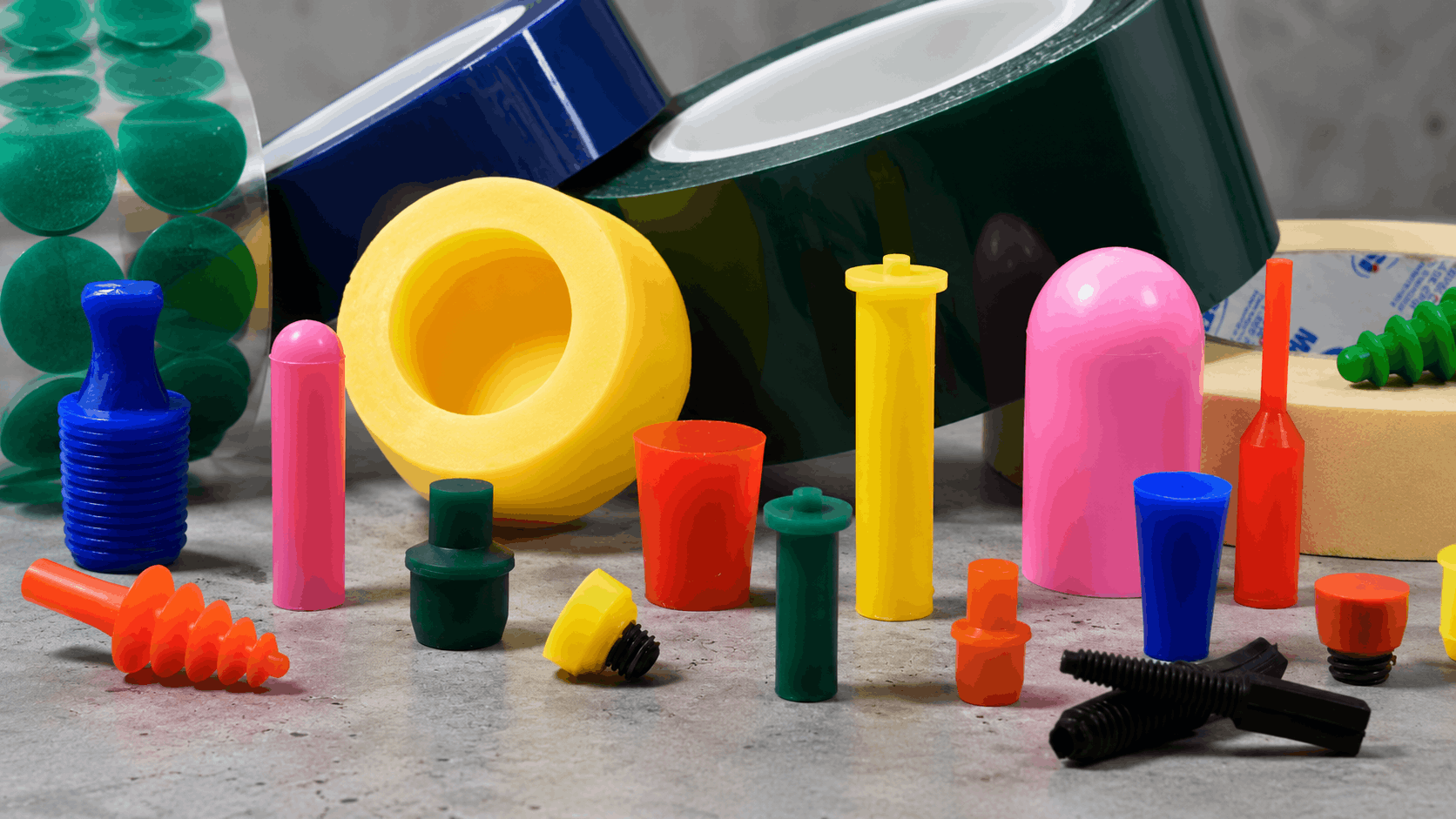
Caps, Plugs, Tapes, & More...
Choose from a wide range of caps, plugs, tapes, discs, and other masking solutions designed for reliable protection across industrial finishing processes.
Learn More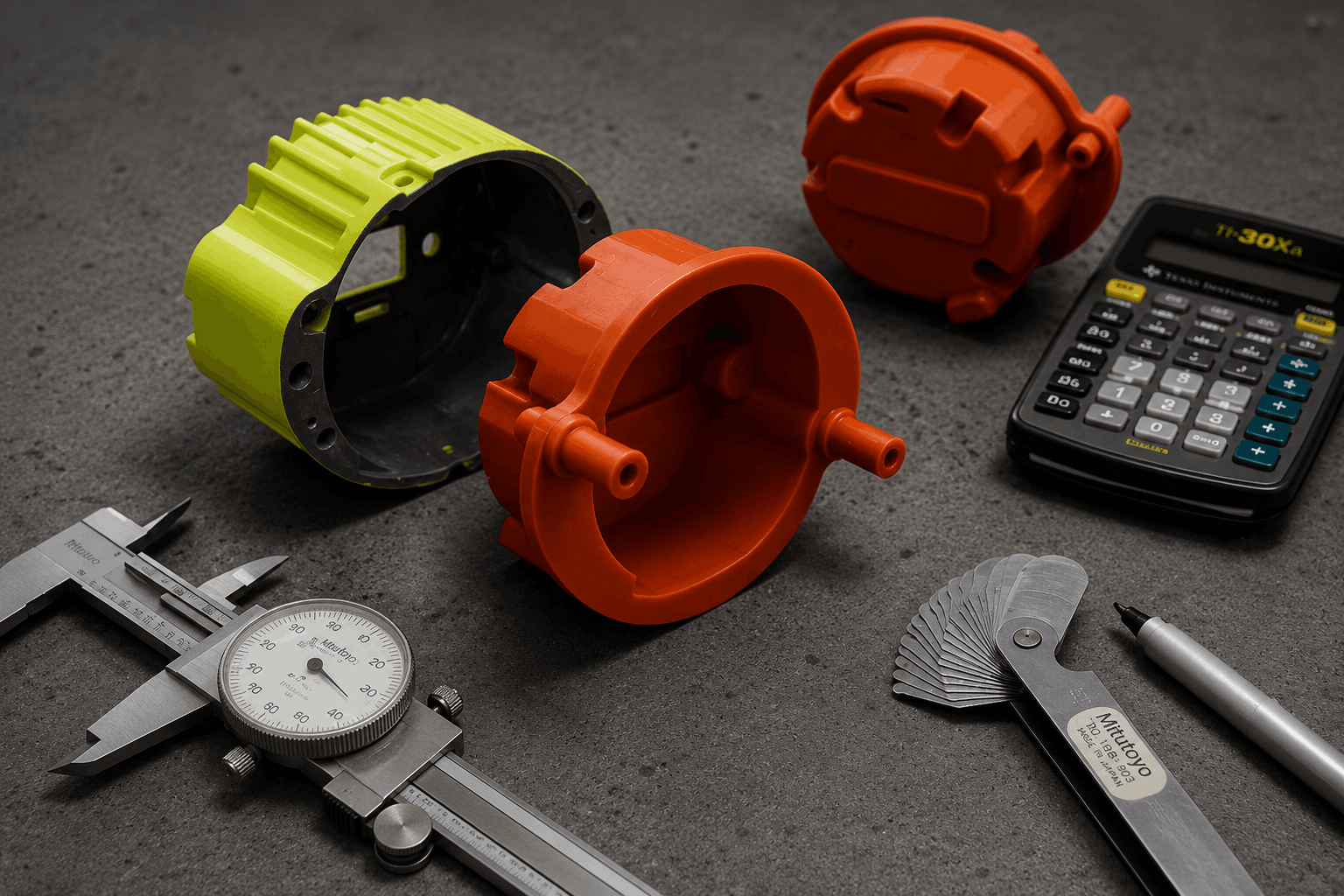
Custom Masking
Simplify repetitive or complex masking with custom-engineered solutions designed around your part geometry, process requirements, and production needs.
Learn More
PFAS Alternatives
Explore PFAS-free masking alternatives designed to provide dependable performance for demanding finishing applications without relying on fluoropolymer materials.
Learn More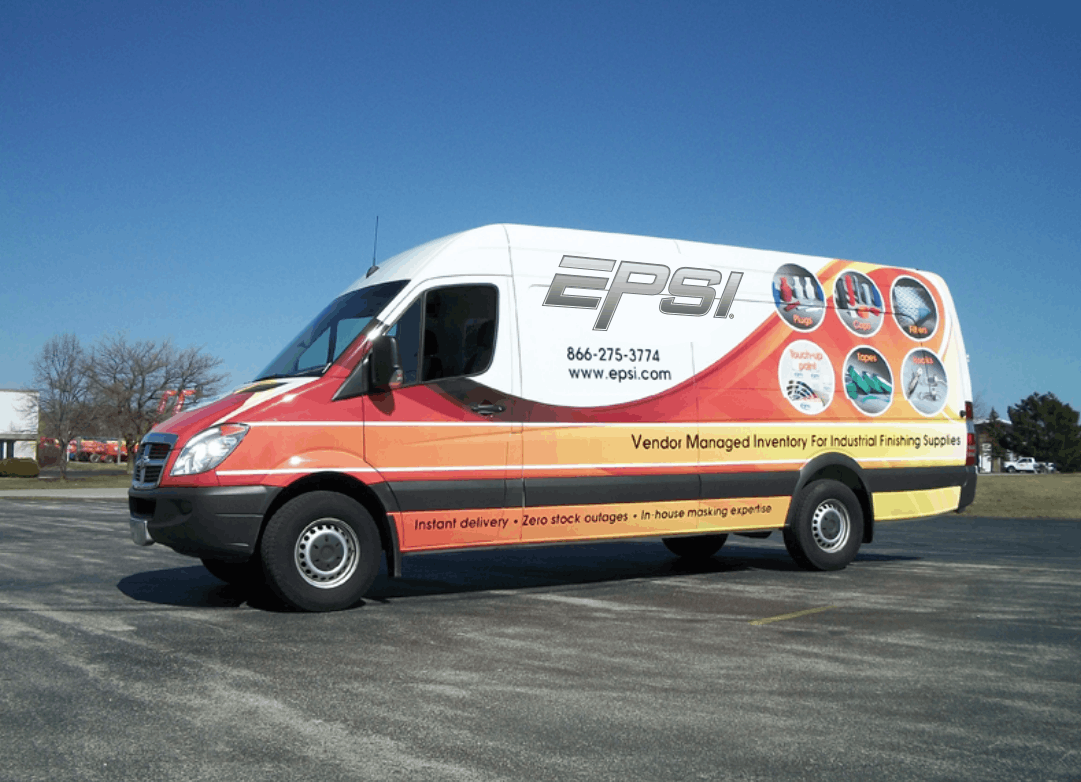
Vendor Managed Inventory
Keep frequently used masking supplies stocked and ready with an inventory program designed to reduce shortages, simplify ordering, and support production continuity.
Learn MoreSmall Improvements Add Up
Masking will always take time, but every second spent masking isn’t necessarily unavoidable. When a process is repeated hundreds or thousands of times, small inefficiencies can quickly become significant labor costs.
Start by measuring your total masking and demasking time, then look for repetitive steps that could be simplified or eliminated. Sometimes, saving just a few seconds per part can make a meaningful difference.
A few seconds may not seem like much—until you multiply them across an entire production year.

Frequently Asked Questions
What is the fastest way to mask parts for powder coating?
The fastest method depends on the feature being protected, production volume, temperature, and part geometry. Push plugs, pull plugs, caps, die-cut shapes, and other preformed masking products are generally easier to apply consistently than manually creating a mask for every part. For repetitive applications, it may be worth testing several masking methods and comparing installation, removal, durability, and ease of use under actual production conditions.
How can I reduce powder coating masking costs?
Look beyond the purchase price of masking materials. Consider material consumption, reuse potential, storage requirements, operator training, waste, and how easily the masking method integrates into your production workflow. Standardizing frequently used sizes and reducing the number of different masking components operators need to manage can also simplify purchasing and inventory while making masking stations easier to organize and maintain.
What type of masking is best for high-volume powder coating?
High-volume applications generally benefit from masking methods that are repeatable, durable, easy to identify, and simple for operators to apply consistently. Reusable silicone caps and plugs, die-cut masking shapes, and application-specific masks are common options. The best choice depends on the feature being protected and finishing conditions. At sufficiently high volumes, custom masking may also become practical because the initial investment can be spread across a large number of production cycles.
When should I use custom masking instead of standard caps and plugs?
Custom masking is worth considering when standard products require complicated combinations, don't adequately match the part geometry, or make a repetitive application unnecessarily difficult. Production volume is also important. A custom solution may not make economic sense for an occasional part but can become valuable when the same masking operation is performed regularly. Complex shapes, multiple protected features, and applications requiring precise masking boundaries are particularly good candidates for evaluation.
How do I choose the right size silicone plug for powder coating?
The plug should create sufficient contact with the opening to remain secure during processing without being unnecessarily difficult to install or remove. Because silicone plugs are available in different shapes, including tapered, pull, and specialty configurations, the correct selection depends on the hole dimensions and whether it is blind, through, threaded, or otherwise unusual. Testing samples under actual production conditions is often the best way to confirm the appropriate size and style.
Can silicone masking caps and plugs be reused after powder coating?
Many silicone masking products can be reused through multiple finishing cycles when their condition and application allow it. Actual service life varies considerably based on curing temperature, exposure duration, coating buildup, handling, part geometry, and how aggressively the masking is removed. Reusable masks should be inspected regularly for tearing, deformation, loss of elasticity, or excessive buildup rather than automatically reused for a predetermined number of cycles.
How should a powder coating masking station be organized?
Frequently used masking products should be clearly labeled, easy to identify, and located close to where operators perform the work. Consider organizing caps and plugs by type and size using labeled bins, keeping application-specific materials together, and establishing designated locations for reusable products. Visual references showing which masking components correspond to common parts can also help operators select materials more easily, particularly in facilities where many different products or part numbers are processed.
What is the best masking method for threaded holes during powder coating?
Several options can protect threaded holes, including tapered plugs, pull plugs, threaded masking products, and specialty silicone plugs. The best choice depends on thread dimensions, whether the hole is blind or through, processing conditions, and how frequently the part is produced. The mask must prevent unwanted coating from interfering with the functional threads while remaining secure throughout pretreatment, coating, curing, and subsequent handling.
How can manufacturers standardize their powder coating masking process?
Start by documenting the approved masking method for frequently produced parts. Instructions can identify masking locations, product types and sizes, orientation, special requirements, and acceptable finished results. Photos or diagrams are particularly useful for complex parts. Standardization also works better when masking materials are consistently labeled and stored. The objective is to create a repeatable process that doesn't depend entirely on an individual operator remembering how a particular part was masked previously.
What should I consider when selecting industrial masking materials?
Selection should account for more than part dimensions. Consider the finishing process, operating temperature, chemical exposure, required masking precision, part geometry, production volume, and whether reuse is desirable. Different materials perform differently under powder coating, e-coating, plating, anodizing, wet painting, and other finishing processes. Evaluating the entire application helps prevent choosing a masking product that physically fits the part but isn't well suited to the environment in which it will be used.
See Related Articles
Explore more resources on masking, reducing rework, and improving powder coating efficiency.
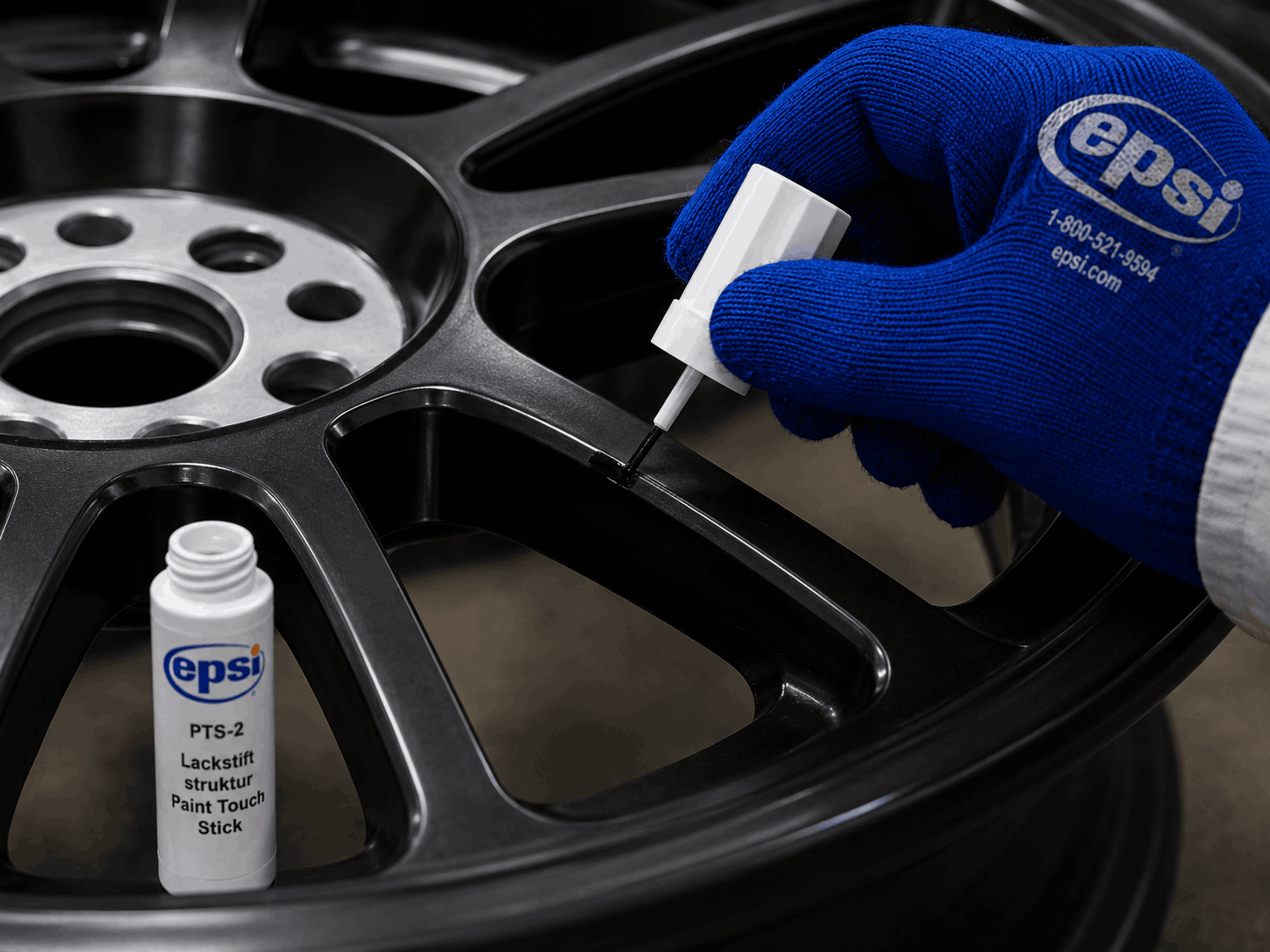
Ready to Save Time in Your Finishing Process?
EPSI can help you improve masking, hanging, racking, part presentation, and touch-up processes to support more consistent finishing results.