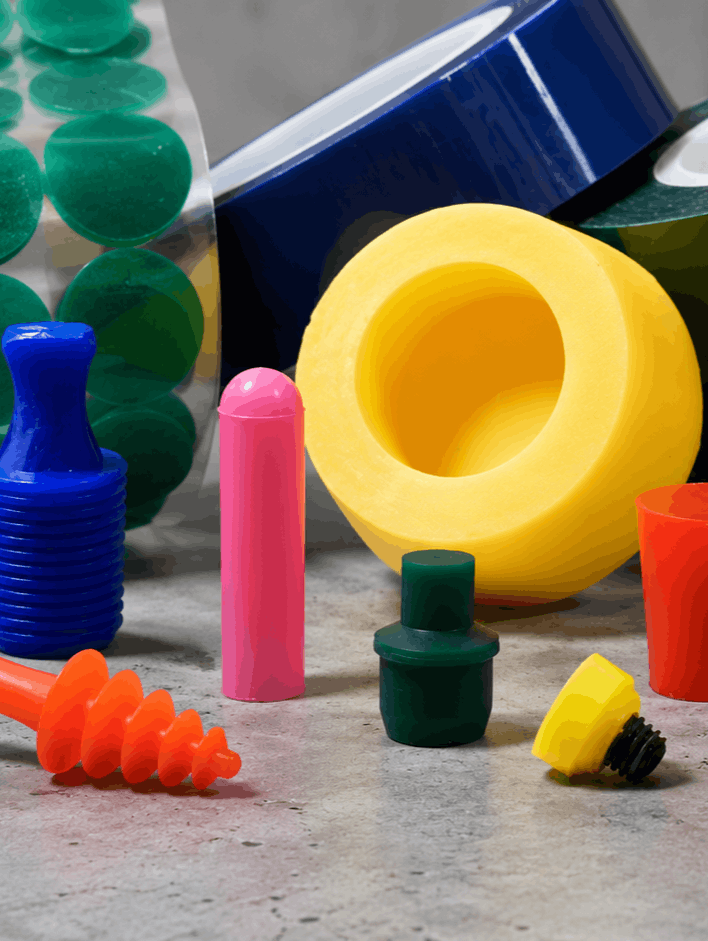
Powder Coating Is Part of the Build
Data center hardware has to perform after the powder coat cures.
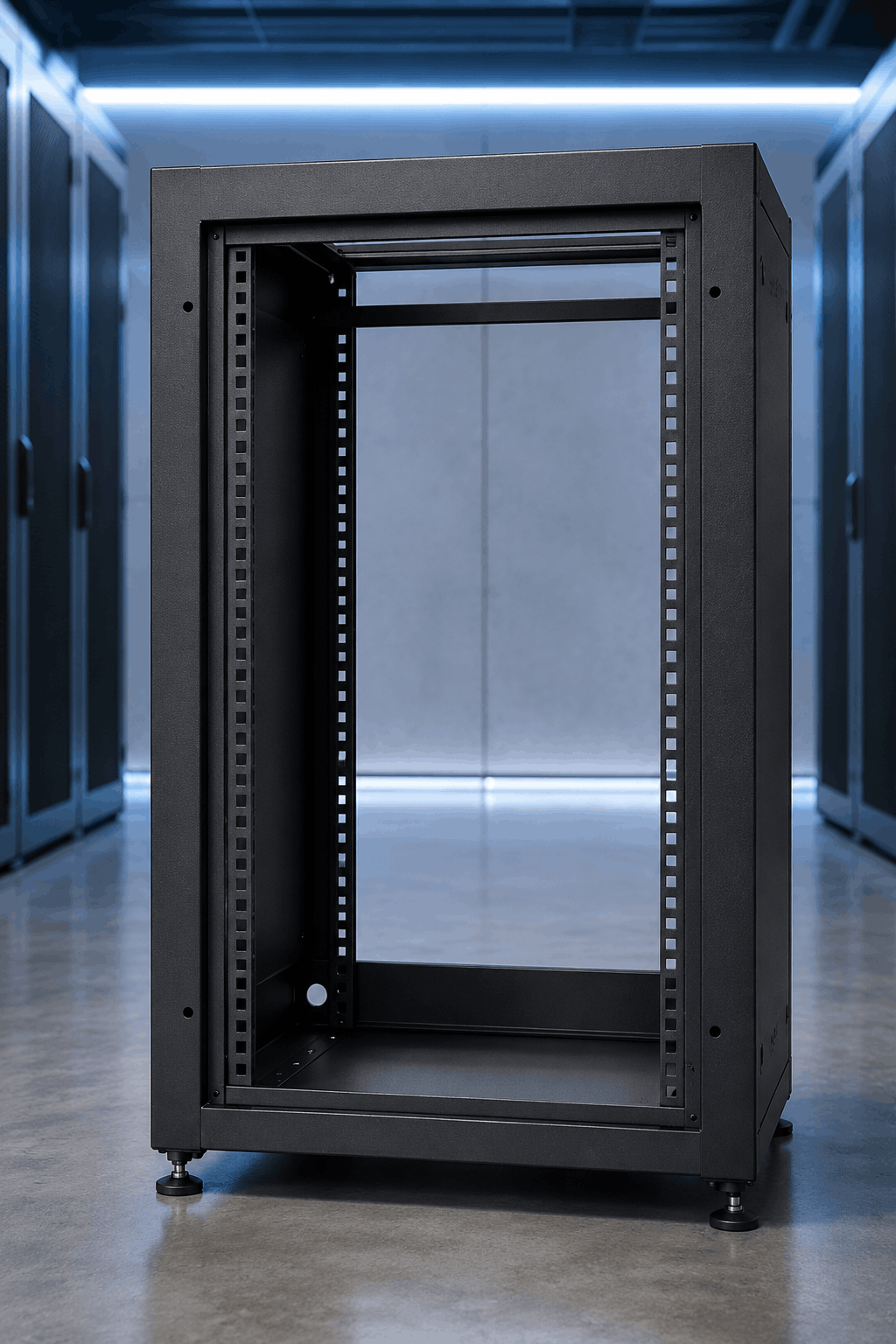
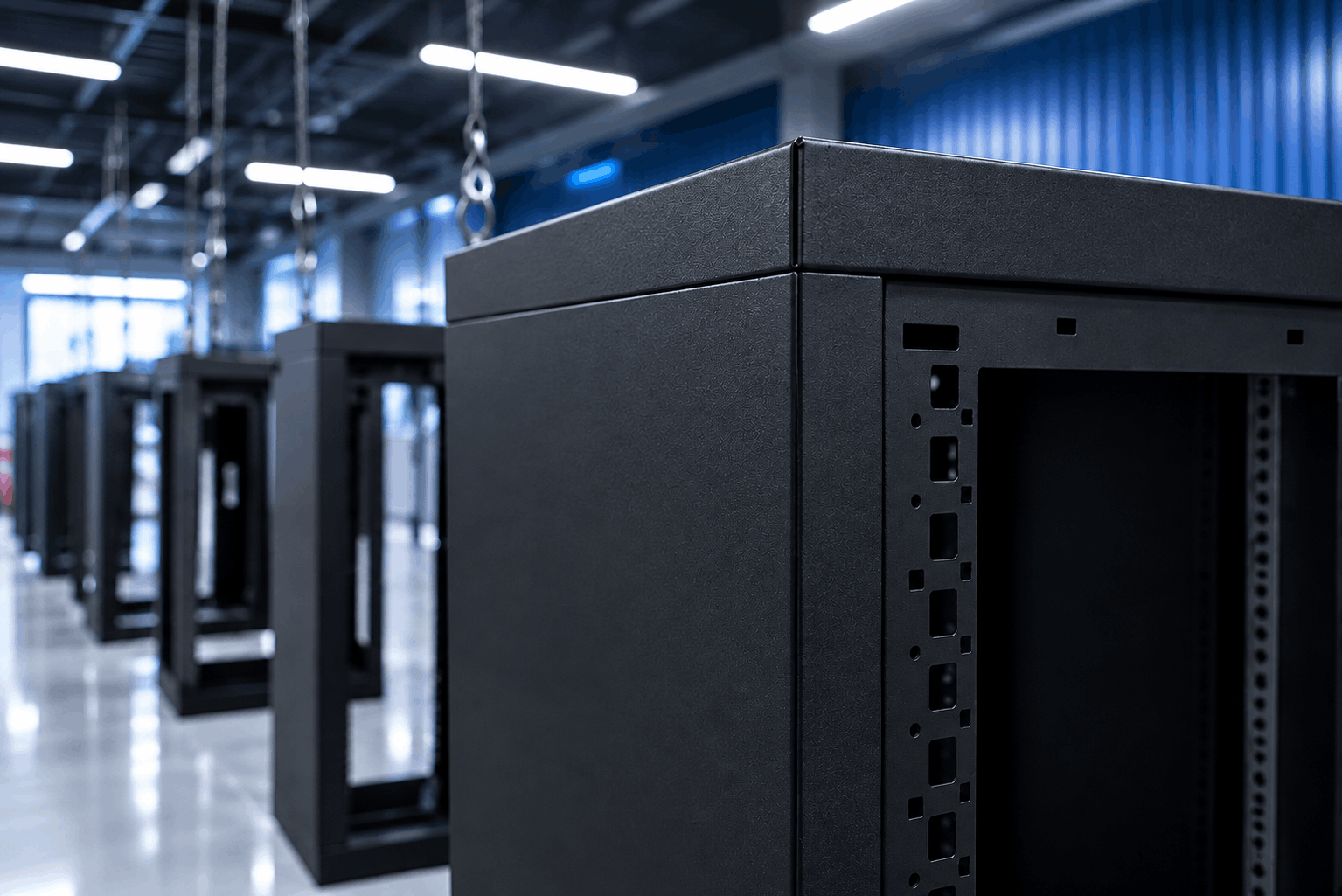
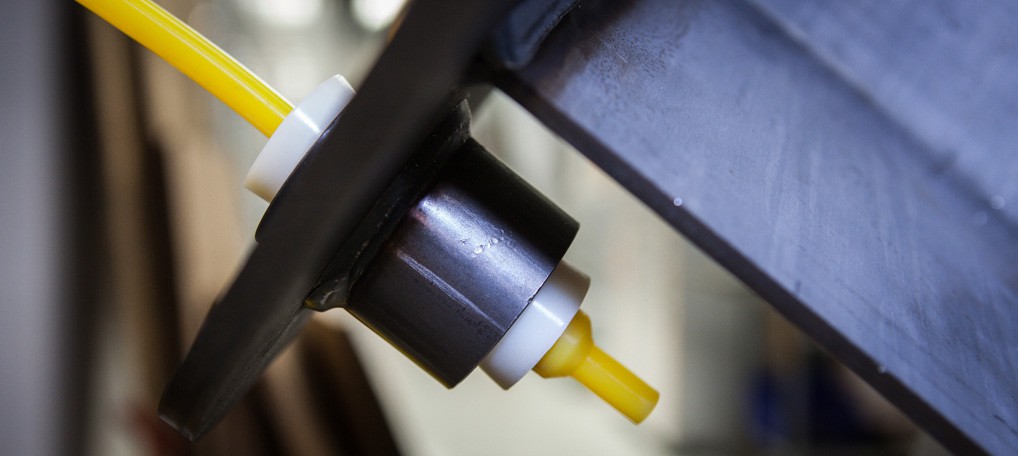
Server racks, cabinets, electrical enclosures, panels, structural frames, power-equipment housings, and other metal hardware are commonly powder coated for a durable, consistent finish. But the coating can only go where the design allows it. Grounding points, threaded features, hardware interfaces, electrical contacts, and mating surfaces may need to remain bare and functional after cure.
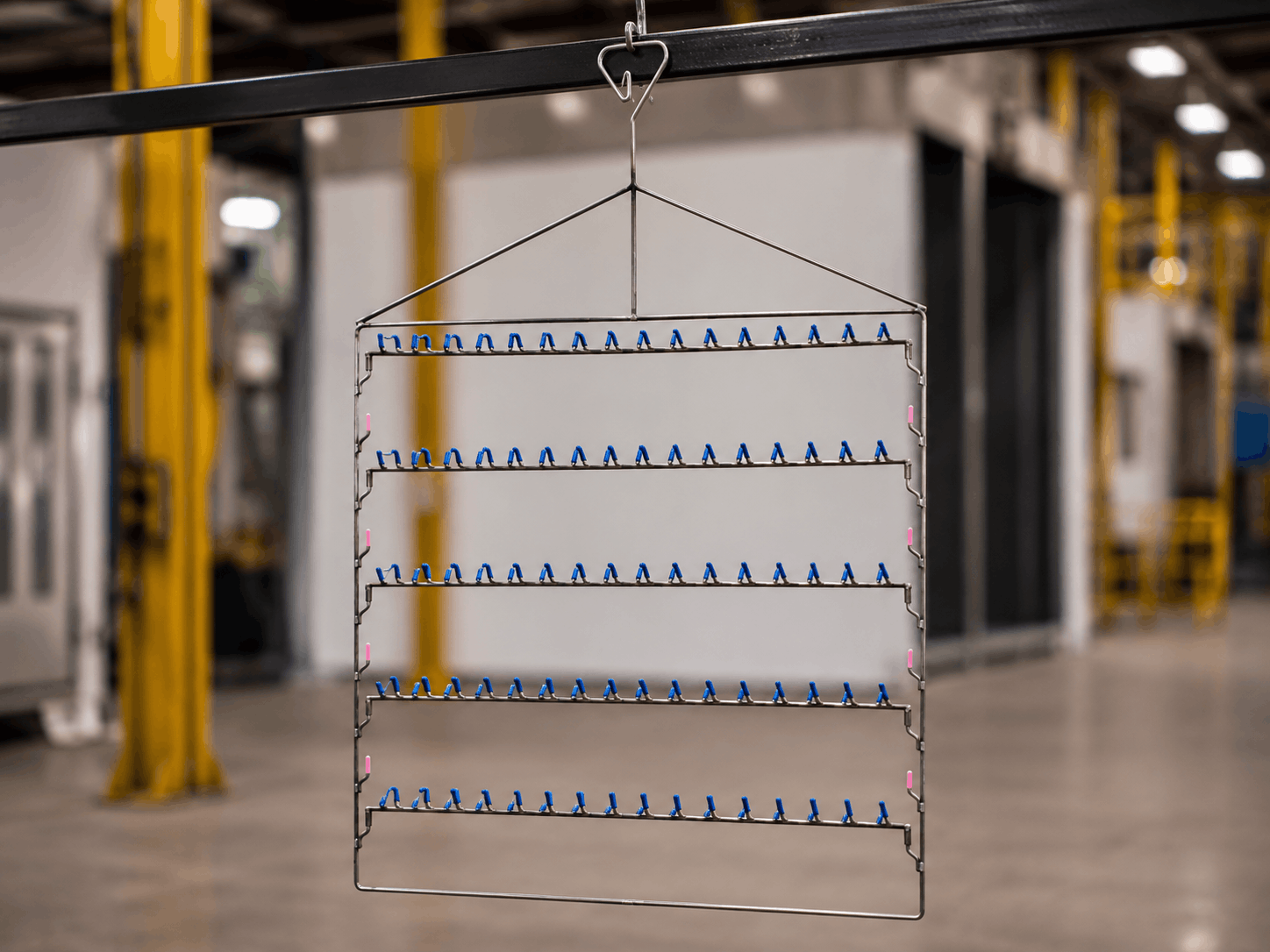
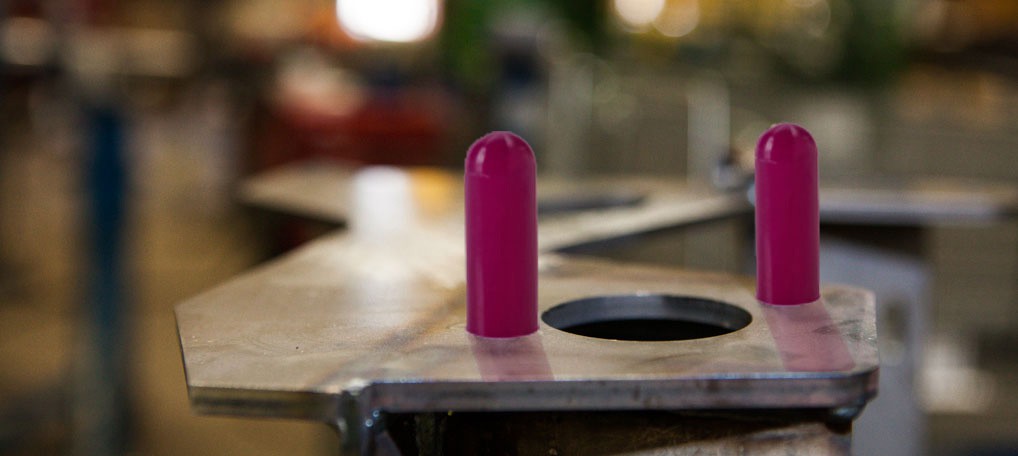
That makes masking and racking part of the powder-coating process itself. A mask must survive pretreatment and cure, hold the required boundary, and come off efficiently. A rack must hold the part securely, maintain conductive contact, present surfaces for coating access, and remain usable as coating builds up through repeated production.
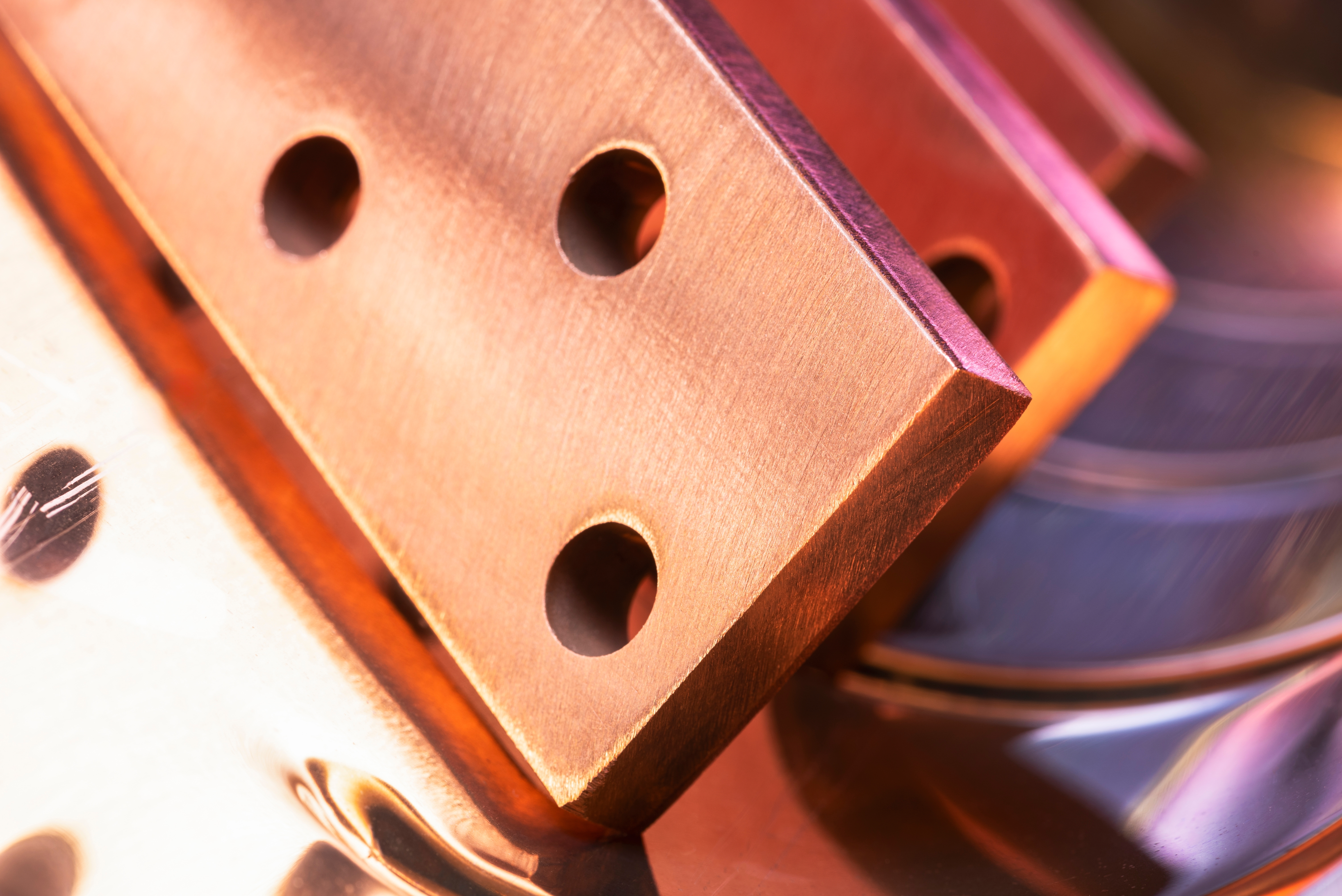
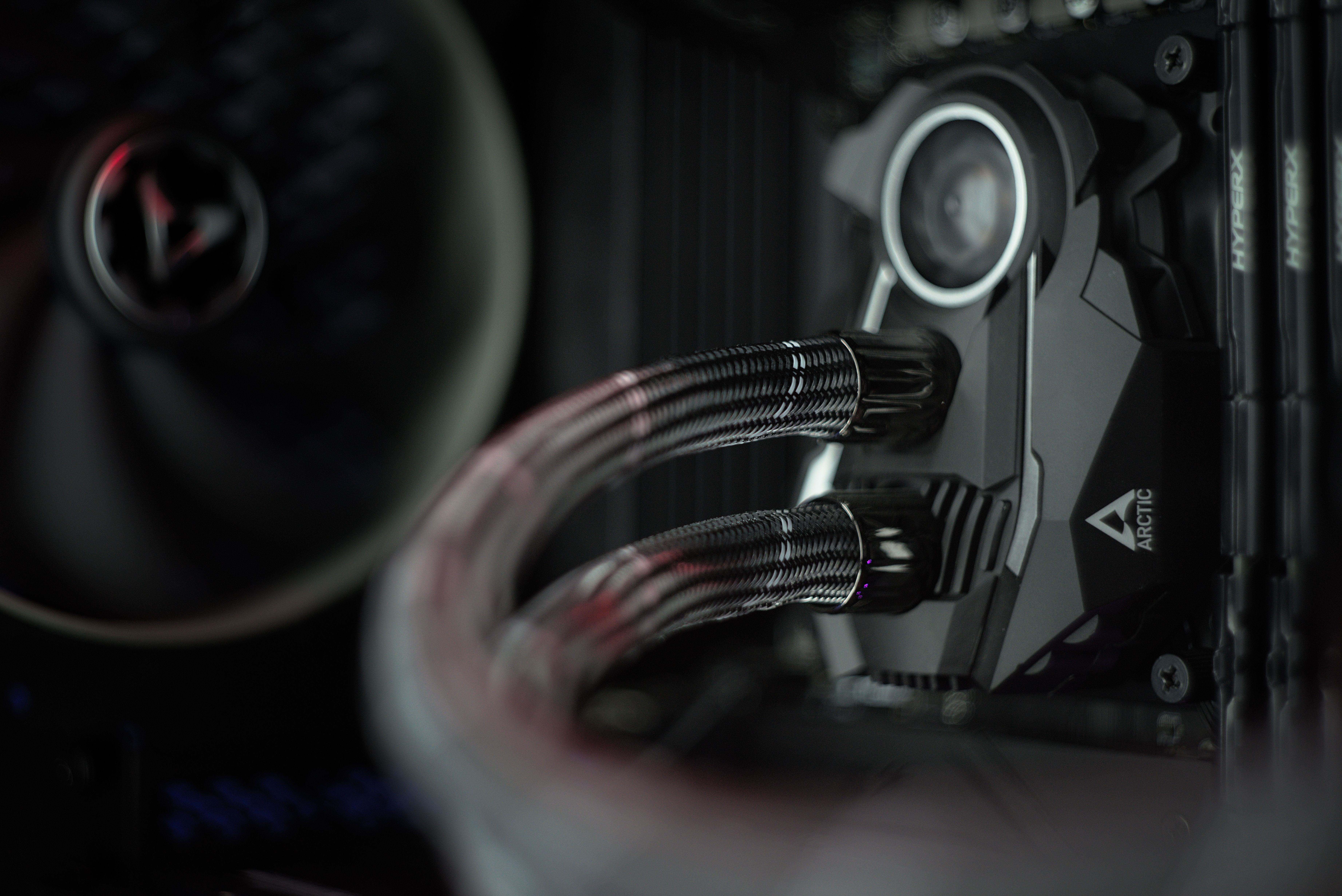
Other components create different finishing requirements. Busbars and electrical hardware may combine plated, insulated, powder-coated, and bare functional areas, while liquid-cooling manifolds, CDUs, cold plates, and heat exchangers may include ports, bores, gasket lands, and sealing faces that need controlled protection. EPSI helps manufacturers and contract finishers engineer the protection around the complete process.
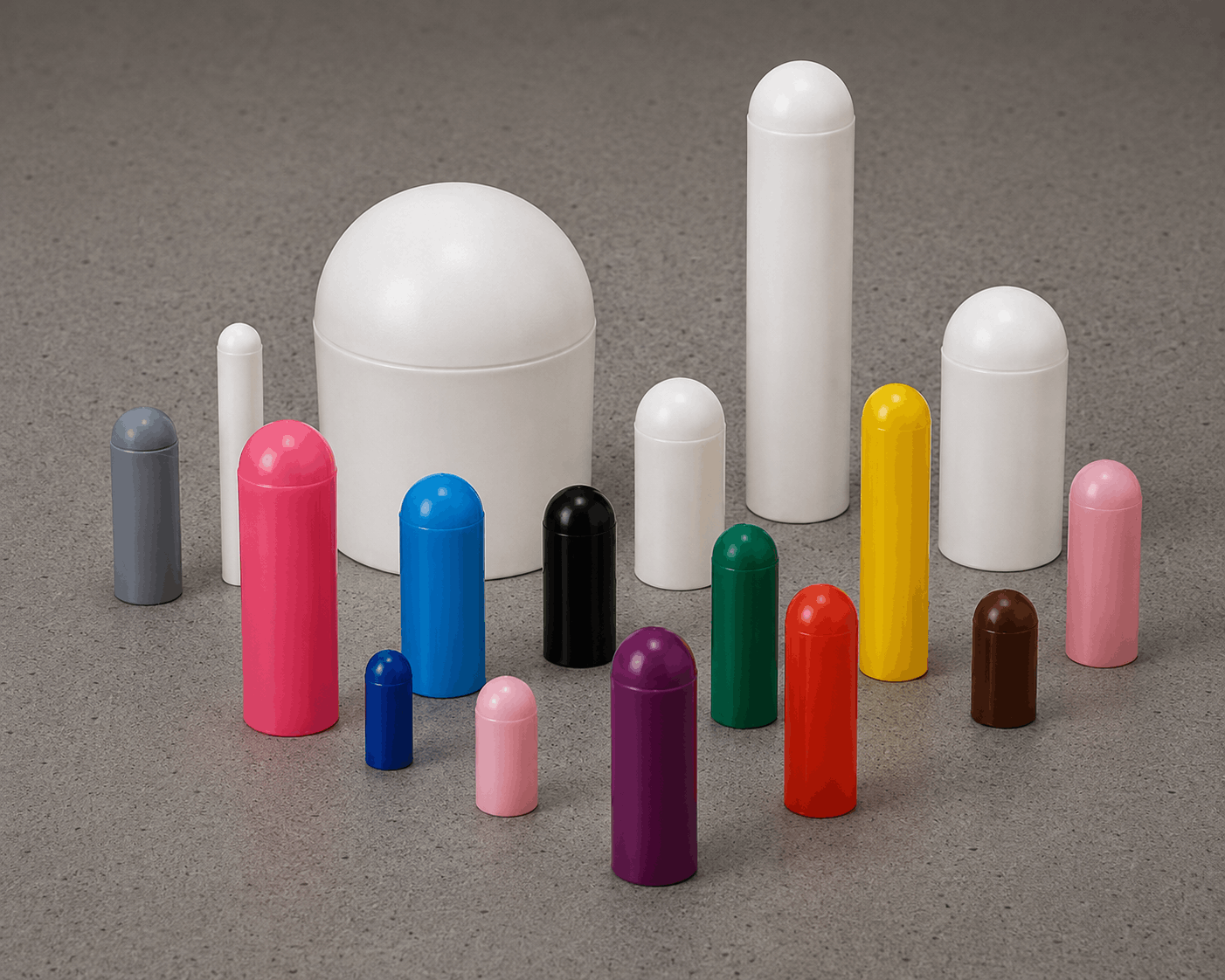
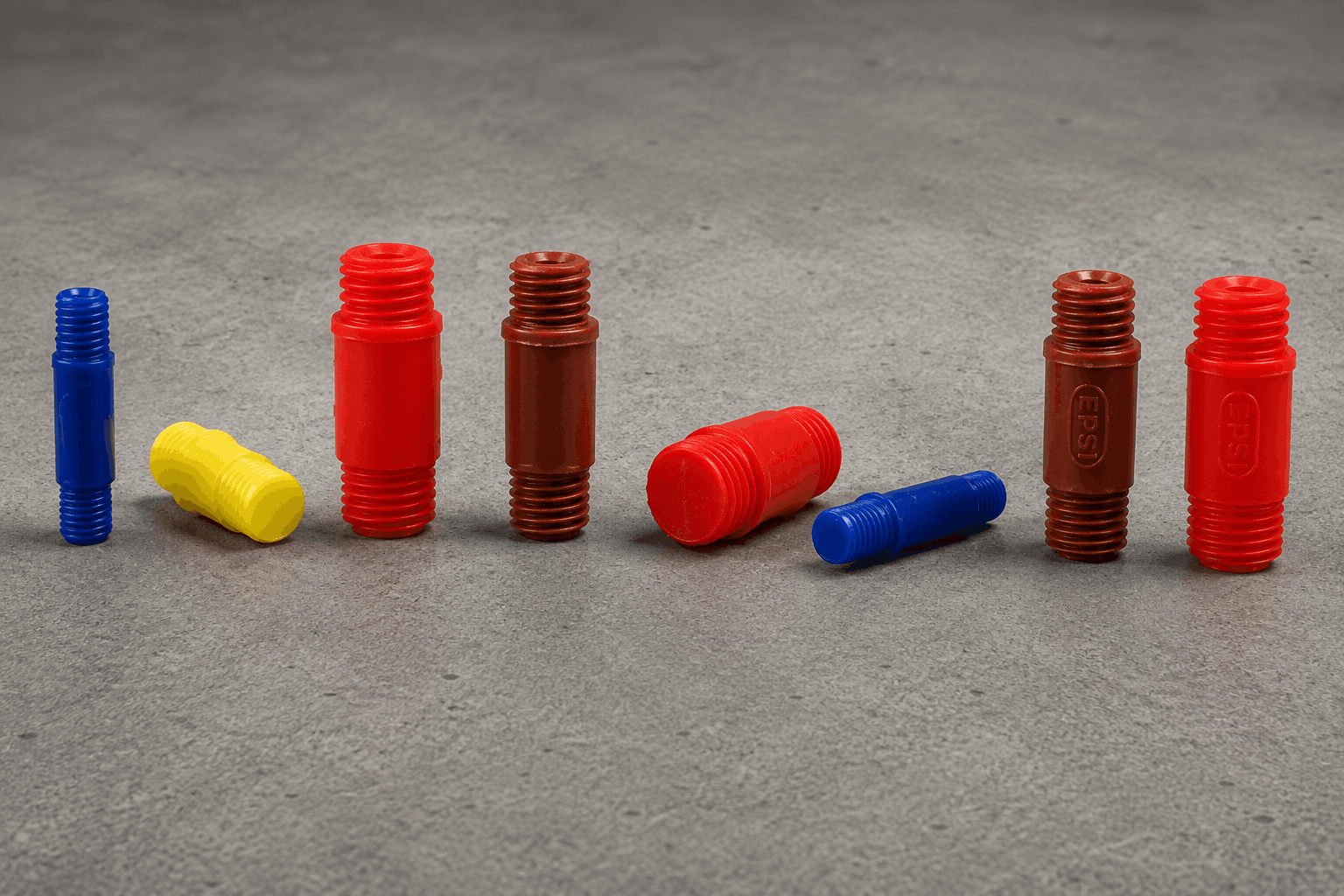
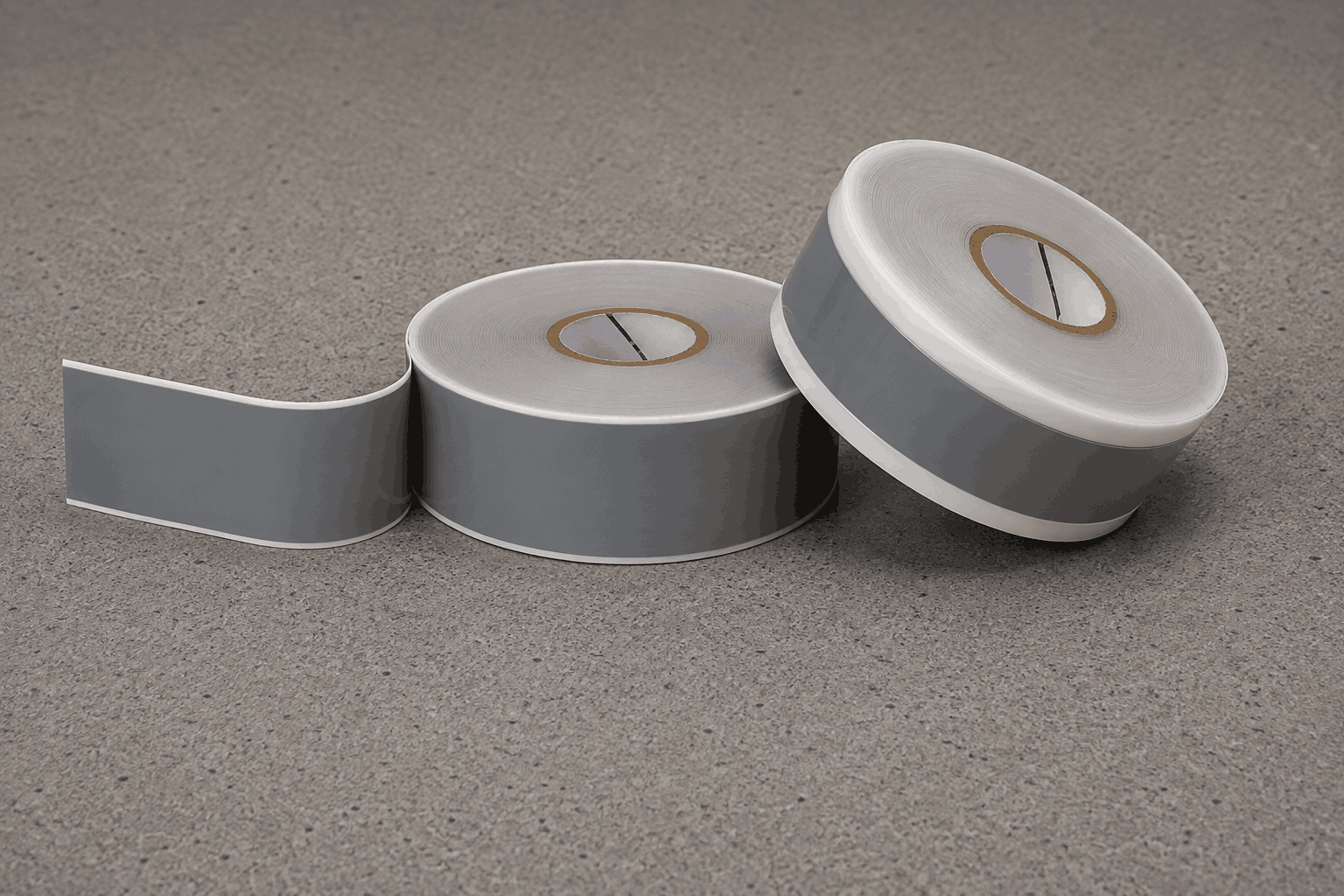
Protect no-coat surfacesKeep grounding points, threads, contacts, mating areas, and sealing features free of powder where function requires it.
Maintain reliable contactRacking and hook contact affect grounding, transfer efficiency, coating access, and repeatability on the finishing line.
Reduce touch timeCompare installation, trimming, demasking, cleanup, rework, and reuse—not only the unit price of the mask.
Standardize the processDefined masks, rack layouts, and work methods reduce operator improvisation across recurring production.


.png)
.png)