

.png)
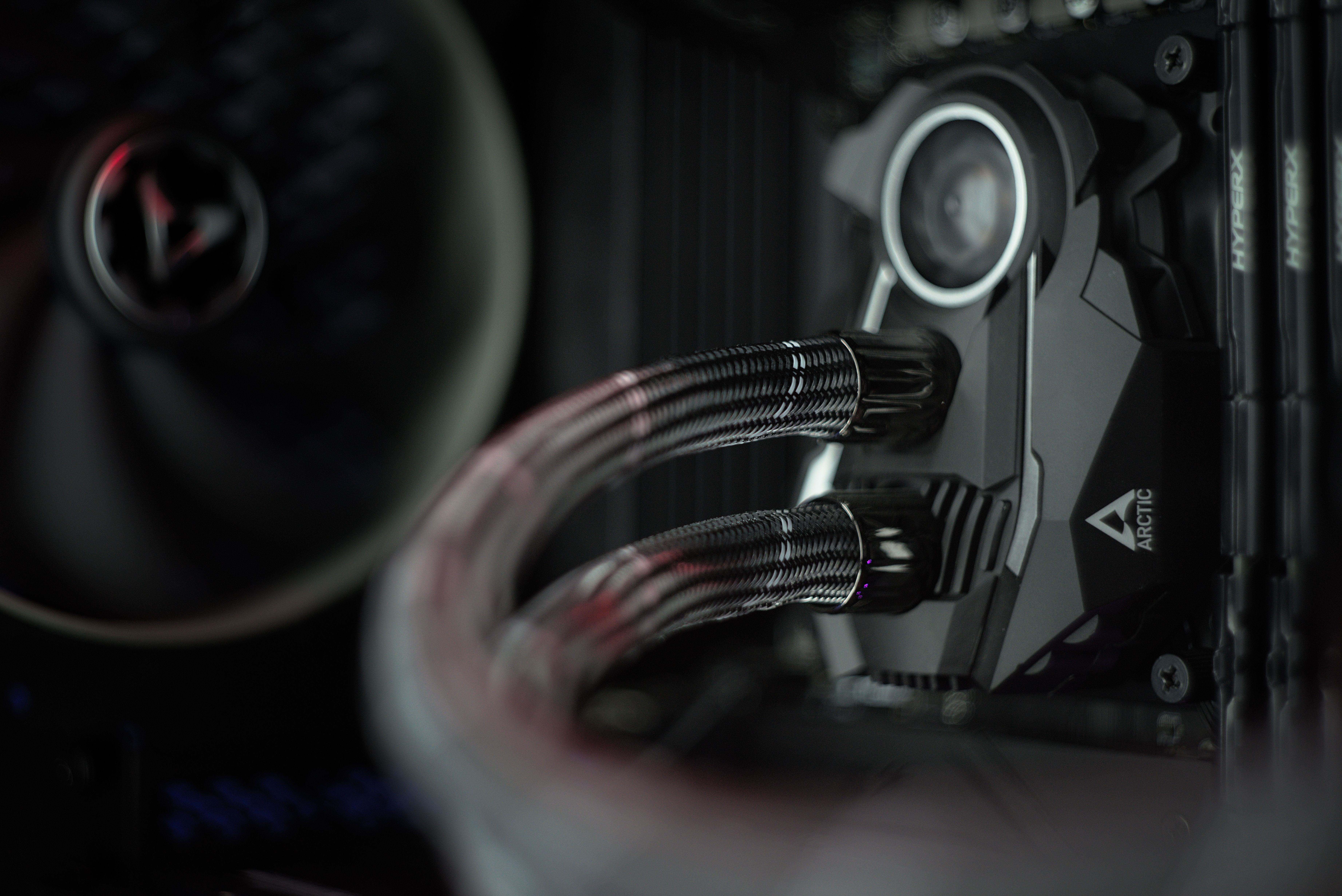
Masking Ports, Threads and Sealing Faces on Liquid-Cooling Components
As data center cooling systems become more sophisticated, manufacturers are producing an expanding range of manifolds, coolant distribution units, cold plates, heat exchangers, fittings, housings, brackets, and related thermal-management components.
Many of those parts still have to move through familiar manufacturing processes: machining, cleaning, surface treatment, powder coating, anodizing, wet paint, assembly, testing, and final installation.
But liquid-cooling hardware introduces an important challenge for surface finishers.
The component is not simply a piece of metal that needs a finish. It is part of a fluid-handling system.
Ports have to accept fittings. Threads have to engage correctly. Gaskets and seals need to interface with the surfaces defined by the design. Bores and passages may need to remain clear. Precision faces may have dimensional or cleanliness requirements. Coating or process material in the wrong place can turn a visually acceptable finished component into an assembly or quality problem.
For liquid-cooling hardware, the masking boundary should be based on what the finished interface must do—not simply on what is easiest to cover.
That makes masking an important part of process planning for manufacturers and contract finishers supporting data center thermal-management equipment.
Why Liquid-Cooling Components Create Different Masking Challenges
Traditional fabricated enclosures frequently require masking around obvious features such as threaded holes, studs, grounding locations, or hardware interfaces.
Liquid-cooling components can contain many of those same features, but they also introduce surfaces directly related to fluid containment and connection.
Depending on the component, areas requiring controlled protection may include:
The important point is that not every one of these surfaces automatically needs to remain bare.
Requirements depend on the component drawing, finishing specification, seal design, material, assembly method, and customer requirements. The job of the masking process is to reproduce those requirements consistently.
Start With the Port—But Define Exactly What Needs Protection
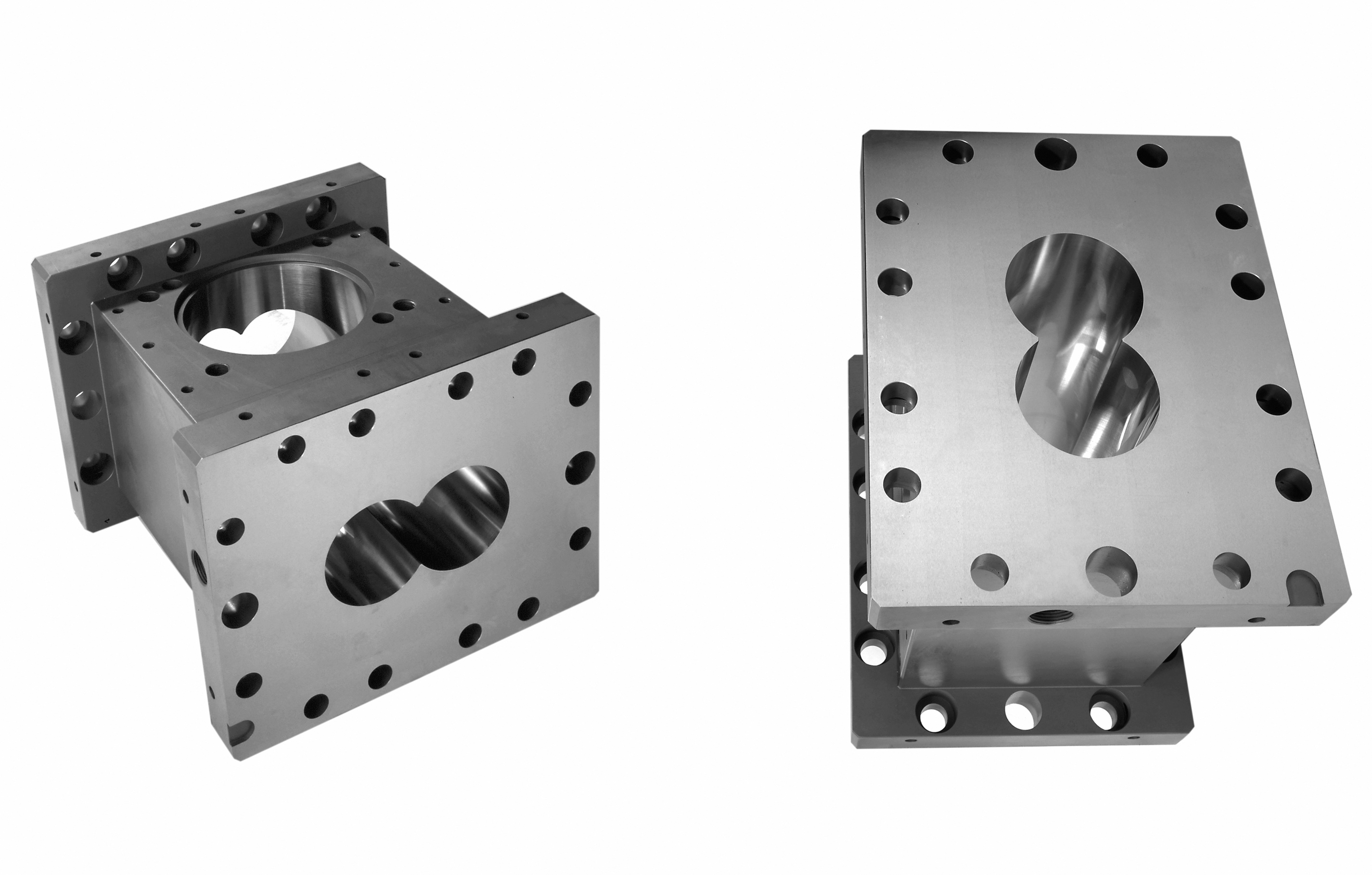
A coolant port may appear to be a simple opening, but there are several different surfaces associated with it.
The opening may contain internal threads. It may terminate at a machined shoulder. The face surrounding the opening may become a fitting interface. A sealing element may contact one portion of the geometry while another portion is allowed to receive coating.
Simply placing a plug in the opening without defining the required protection depth can therefore create inconsistent results.
Before selecting the masking product, determine:
- Where should the finished coating boundary begin?
- How far into the opening must the mask extend?
- Do the entire threads need protection?
- Is the front face part of the sealing or fitting interface?
- Is there a chamfer or shoulder that has its own finishing requirement?
- Will a fitting, tube, connector, or seal be installed later?
- How much access will operators have for mask installation and removal?
Those answers determine whether a tapered plug, pull plug, threaded-style mask, cap, tape, die-cut, or custom molded solution is appropriate.
A plug that fits the nominal hole diameter may still be a poor choice if it masks too deeply, not deeply enough, or creates the wrong boundary on the finished component.
Related Article: How to Choose the Right Masking Products for Powder Coating →
Threads Need Protection That Matches the Assembly Requirement
Internally threaded coolant ports are particularly vulnerable to unwanted coating or process buildup.
If powder coating enters the threads and cures, the fitting may become difficult to install. Operators may have to chase or clean the threads after finishing, adding labor and another opportunity for variation.
The same principle applies to other surface-finishing processes. The process plan should define whether threads must remain completely free of the finish and how the masking product will behave during pretreatment, coating, curing, or other exposure.
Proper sizing matters.
A mask that is too loose can permit process material to pass around it. A mask that is oversized may be unnecessarily difficult to install and remove. Excessive insertion force can also slow operators when hundreds or thousands of ports are being masked.
For recurring production, insertion and removal should be treated as manufacturing steps worth optimizing rather than as incidental labor.
Sealing Faces Require More Than a Visually Clean Edge
Sealing surfaces are one of the most important areas to define correctly because the surface condition can affect how the component interfaces with a gasket, O-ring, fitting, flange, or other sealing element.
The engineering drawing or assembly specification should establish the required surface condition.
From a masking standpoint, the challenge is reproducing the required boundary without extending the no-coat area farther than necessary.
Over-masking can be just as problematic as under-masking.
If an operator protects a significantly larger area than required simply because a large piece of tape is easier to apply, the finished component may contain unnecessarily exposed substrate. If the mask is too small or incorrectly located, coating may extend into a surface the design intended to control.
The goal is not “keep the gasket area clean.” The goal is “protect the exact sealing interface defined by the component design.”
For flat or repeated sealing geometries, pre-cut discs, die-cut shapes, or custom masking may improve placement consistency compared with repeatedly measuring and trimming tape by hand.
Powder Coating Requires Control at the Transition
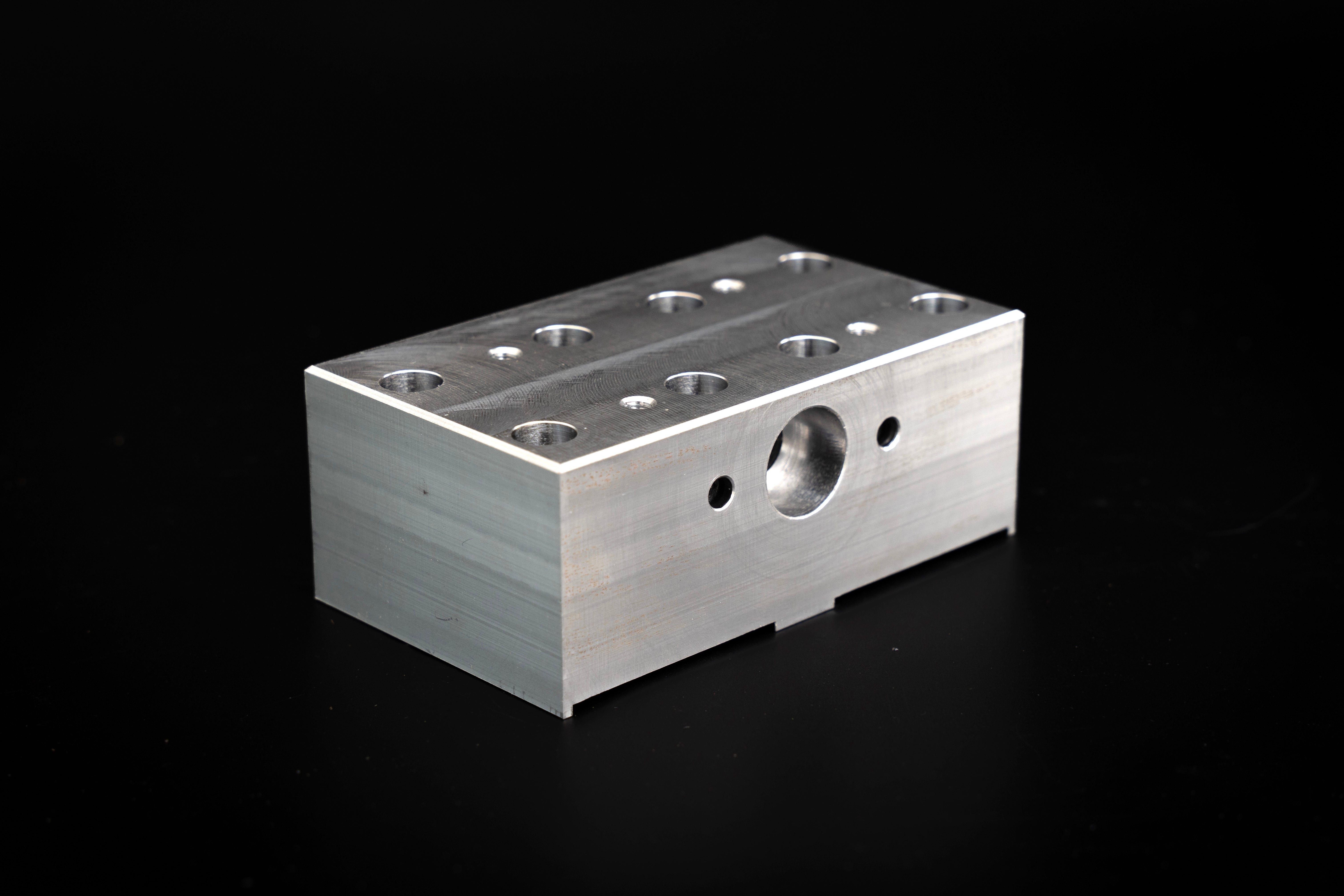
Where liquid-cooling housings, manifolds, brackets, or related components are powder coated, masks may need to survive both upstream pretreatment and the cure cycle.
The thermal rating of the masking material matters, but temperature alone is not enough to select the right product.
The masking method also needs to account for:
- Pretreatment chemistry
- Wash or spray pressure
- Dry-off conditions
- Powder application
- Cure temperature
- Dwell time
- Mask movement during handling
- Coating edge definition
- Removal after cure
A mask can technically survive the oven and still produce poor results if it shifts during pretreatment, allows powder intrusion at the edge, or becomes difficult to remove after cure.
That is why the complete process should be considered instead of selecting masking based solely on a published temperature rating.
Related Article: Silicone vs EPDM: Which Powder Coating Masking Products Do You Need? →
Internal Bores and Flow Passages Need a Clearly Defined Masking Depth
Liquid-cooling components may include bores, internal passages, ports, cross-drilled features, and other internal geometries that create a different challenge from masking an external surface.
The question becomes: How far into the component does the protected zone extend?
In some applications, only the threads need protection. In another, the entire opening may need to remain clear. A machined internal surface may have its own tolerance or assembly requirement.
Mask selection should therefore account for depth as well as diameter.
For tapered plugs, installation depth affects the final masking boundary. If operators insert the same plug to different depths from part to part, the exposed area may change even though the same masking product is being used.
A process that depends heavily on operator judgment can become especially difficult to control across multiple shifts or contract finishing locations.
Standardized insertion methods, visual aids, stop features, or application-specific masks may help reduce that variation.
Preventing Process Material From Entering Internal Features
A properly selected mask does more than create an attractive coating edge.
Depending on the process, it may also help prevent unwanted material from entering a protected opening.
However, manufacturers should be careful not to assume that every temporary mask creates a fluid-tight seal.
A plug that effectively blocks powder overspray may not necessarily seal against liquid process chemistry, pressure washing, or another manufacturing exposure. Requirements should be evaluated according to the actual finishing process.
If preventing intrusion is important, manufacturers should determine:
- What material or chemistry the mask encounters
- Whether the exposure is spray, immersion, or another process
- How long the exposure lasts
- Whether pressure is applied
- Whether retained liquid could become trapped behind the mask
- How the component drains and dries afterward
That last point is easy to overlook. A masking configuration that traps rinse water or process chemistry can create a different problem later in production.
Mask Removal Is Part of the Process Too
Masking is often evaluated primarily by how quickly it can be installed.
But demasking can represent a substantial portion of total labor.
A mask may work perfectly during coating yet be difficult for an operator to grip after cure. A plug inserted too deeply may require extra effort to extract. Tape may tear or require several removal motions. Multiple small pieces can force operators to search the part to make sure every mask has been removed.
For liquid-cooling components, complete removal can be particularly important because a forgotten mask at a fitting or port could interfere with downstream assembly.
When comparing masking options, measure:
- Installation time
- Number of individual masks per part
- Adjustment or trimming time
- Demasking time
- Ease of confirming complete mask removal
- Cleanup required after removal
This gives manufacturers a more realistic view of cost per finished component.
Related Article: You're Spending More Time Masking Than You Think →
When Standard Plugs Make Sense
Standard masking plugs are often the most straightforward solution for common ports, holes, and bores.
They can be especially effective when the feature has accessible geometry, the masking boundary is relatively simple, and the same plug can be installed and removed efficiently.
Using standardized plug families across recurring hole or thread sizes can also simplify inventory and operator training.
For facilities manufacturing several liquid-cooling components, it may be useful to review feature families across multiple part numbers rather than selecting masks independently for every component.
The same plug may be suitable for a repeated port geometry used across several manifold or cooling-system assemblies.
Related Article: Standardized Masking for Powder Coating Process Improvement →
When Custom Molded Masking Becomes Worth Evaluating
Standard products become less attractive when operators have to combine many individual pieces to protect a single component.
Imagine a manifold that requires several plugs, multiple die-cut shapes, tape around a machined face, and repeated trimming before every finishing cycle.
Each individual product may be inexpensive.
The labor may not be.
A custom molded mask can sometimes combine several protected features into a single installation or use geometry that naturally locates against the part.
That can potentially reduce:
- Measuring
- Manual tape cutting
- Trimming
- Placement variation
- Number of separate masks installed
- Demasking steps
- Operator training complexity
Whether custom masking makes financial sense depends on production volume, labor savings, tooling cost, mask life, process conditions, and the amount of rework associated with the current method.
Think in Cost per Finished Component
The least expensive masking product is not automatically the least expensive masking process.
If one plug costs less but takes significantly longer to install, requires adjustment, leaks powder, or is difficult to remove, its true production cost may be higher than a more expensive alternative.
A useful comparison should include:
- Mask unit cost
- Expected reuse, where applicable
- Installation labor
- Demasking labor
- Trimming or preparation
- Cleanup
- Rework
- Scrap
- Inventory complexity
This becomes particularly important as data center component production scales.
Saving even a few seconds across several masked features can become meaningful when repeated across thousands of components.
Masking Should Support Leak, Pressure and Assembly Requirements—Not Replace Them
After finishing, the component still has to meet whatever functional and quality requirements apply to the finished assembly.
For liquid-cooling hardware, those requirements may include customer-defined dimensional inspection, seal verification, assembly checks, cleanliness requirements, leak testing, pressure testing, or other application-specific validation.
The masking process should be developed to support those requirements, but masking itself is not proof that the finished component meets them.
Manufacturers should inspect and test according to the applicable engineering drawing, process specification, quality plan, and customer requirements.
This distinction is particularly important when selecting or changing masking products. A different mask may appear to produce a cleaner finish, but the full production process should still be validated where the application requires it.
Contract Finishers Need Clear No-Coat Definitions
Manufacturers frequently rely on external powder coaters, anodizers, platers, painters, or other finishing partners.
Those suppliers can only reproduce the intended surface condition when the requirements are communicated clearly.
Useful information includes:
- Current drawing and revision
- Exact surfaces requiring protection
- Masking depths for ports and bores
- Thread-protection requirements
- Sealing and gasket interfaces
- Finishing specifications
- Critical dimensional boundaries
- Expected production volume
- Inspection and acceptance requirements
“Mask the port” is much less useful than a clearly dimensioned requirement defining the exact area that must retain a specified surface condition.
Clear requirements also make it easier for the finisher to identify opportunities to standardize the process.
How EPSI Can Help
Liquid-cooling components can combine threads, coolant ports, machined faces, gasket lands, bores, fittings, mounting features, and other surfaces that each have different finishing requirements.
EPSI works with manufacturers and contract finishers to evaluate the complete masking application—including geometry, finishing process, pretreatment exposure, cure conditions, masking depth, installation and removal, production volume, repeatability, and current operator touch time.
The solution may be a standard plug or cap, a die-cut masking shape, a combination of standard products, or a custom engineered mask that consolidates several steps into one repeatable installation.

Caps, Plugs, Tapes & Discs
Protect ports, threads, fittings, bores, sealing areas, hardware locations, and other defined surfaces with standard masking selected around geometry and process conditions.
Explore Masking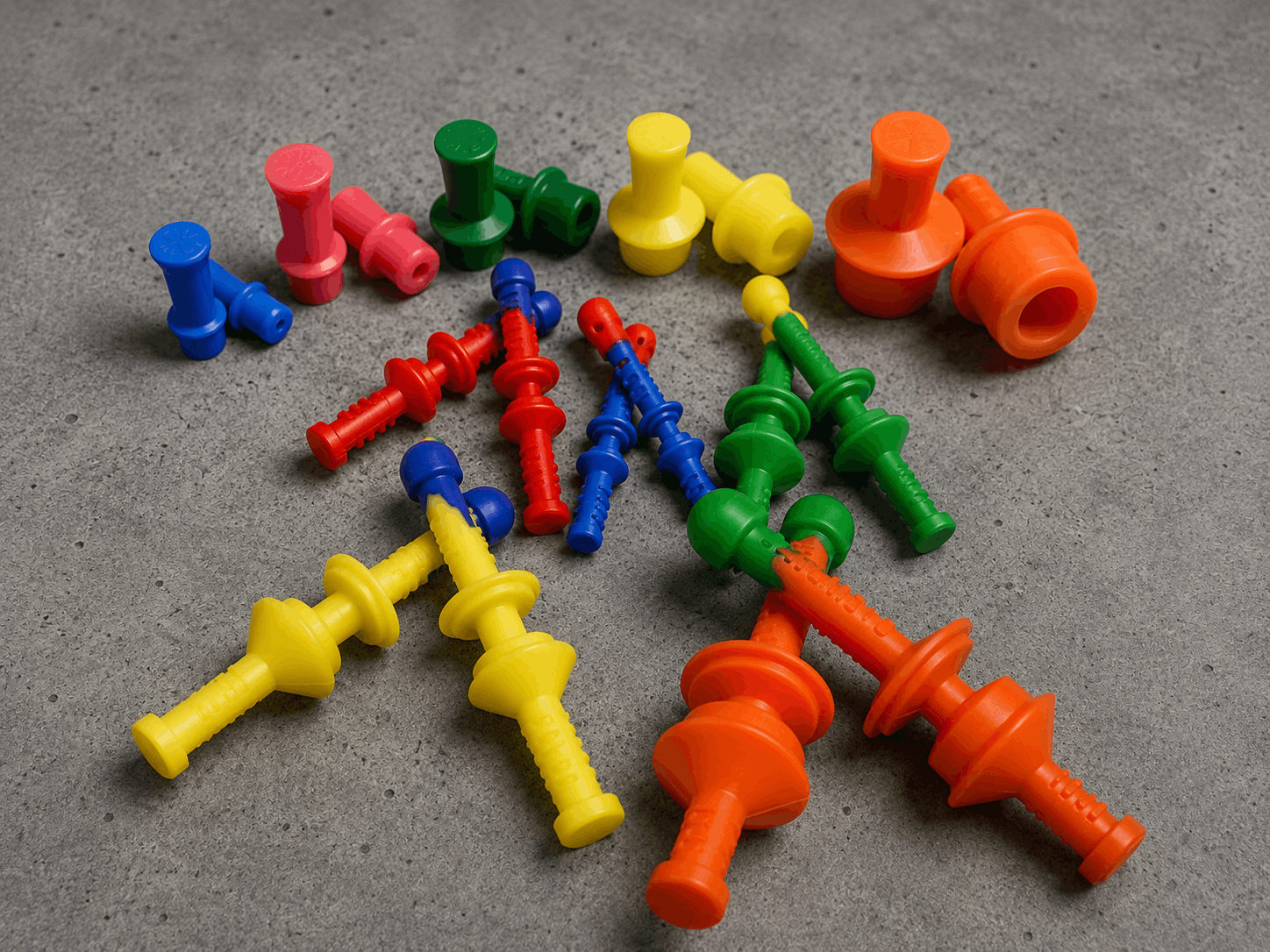
Custom Masking
Consolidate repeated plugs, tape pieces, die-cuts, trimming, or complex masking steps into an application-specific solution where geometry and volume justify it.
Explore Custom.png)
Custom Racking
Engineer support, conductive contact, orientation, spacing, coating access, and handling around the needs of the component and finishing process.
Explore Racking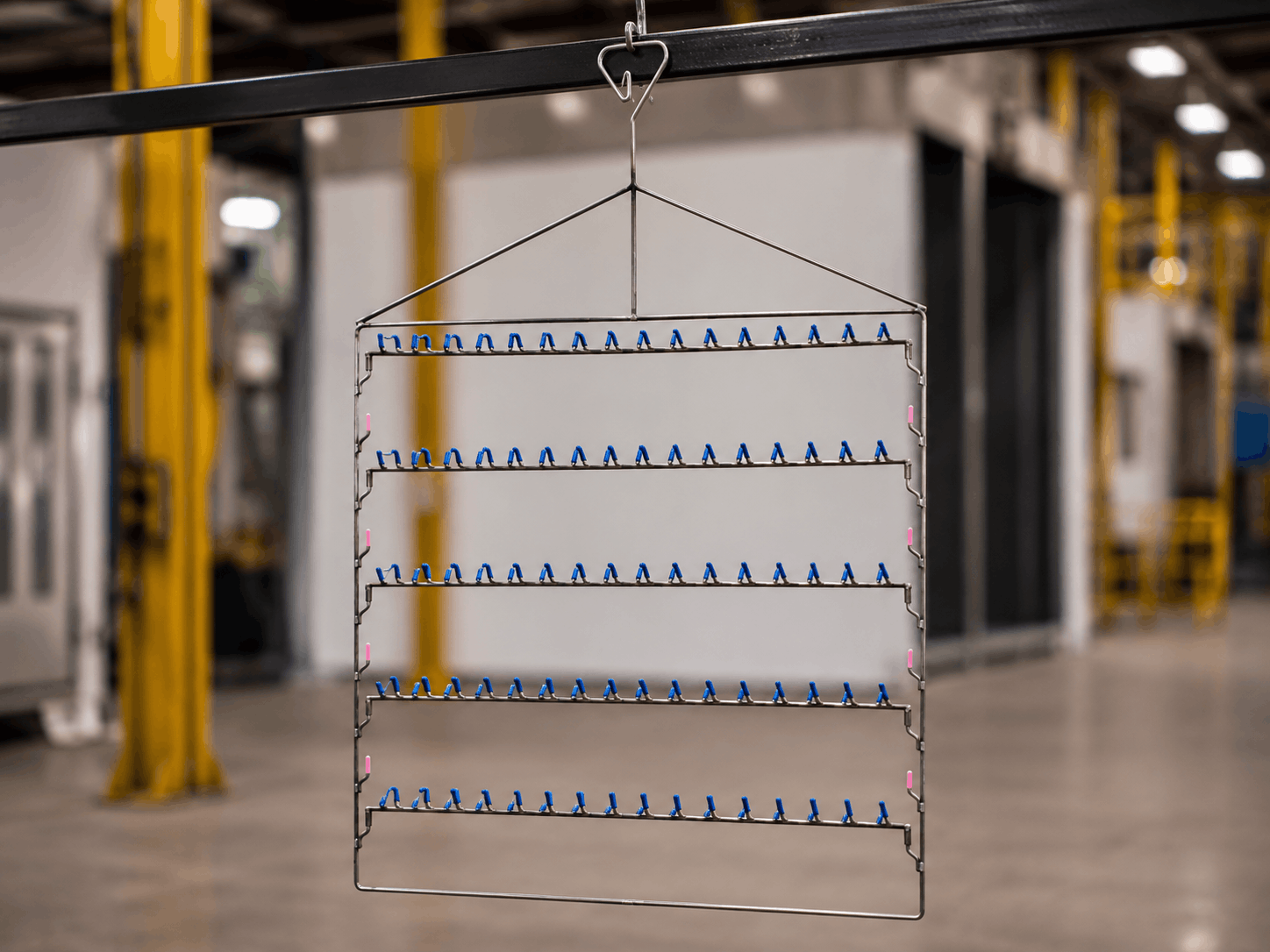
Modular Racking
Reconfigure hanging layouts as component families and production requirements change without creating a dedicated welded rack for every part number.
Explore Modular RackingProtect the Interface, Not Just the Opening
Liquid-cooling component masking is easiest to understand when the conversation starts with function.
A coolant port is not simply a hole. It is an interface that may contain threads, sealing geometry, a machined face, dimensional requirements, and a connection to another component.
A gasket land is not simply an area that looks better without powder. It is a defined surface whose final condition should match the design.
A bore is not automatically protected to whatever depth a convenient plug happens to reach.
Once those functional requirements are understood, the masking method can be selected around them.
That approach helps manufacturers move away from improvised masking and toward a finishing process that can be documented, repeated, measured, and improved as production grows.
The goal is not simply to keep coating out of a liquid-cooling component. It is to preserve the surfaces that allow that component to assemble and perform as designed.
Frequently Asked Questions
What parts of a liquid-cooling component commonly require masking?
Depending on the design and finishing specification, protected areas may include internally or externally threaded ports, bores, fitting interfaces, gasket lands, sealing faces, machined surfaces, mounting features, hardware locations, and other tolerance-critical areas. The component drawing and qualified process should define exactly which surfaces require protection.
How do you choose a masking plug for a coolant port?
Selection should consider more than the nominal opening diameter. Port geometry, threads, masking depth, desired coating boundary, pretreatment exposure, process temperature, insertion force, removal access, and production volume can all affect which plug geometry is most appropriate.
Should the entire sealing face always remain uncoated?
Not necessarily. The required surface condition depends on the sealing design, drawing, finish specification, and assembly requirements. Masking should reproduce the defined sealing interface rather than assume that every surface associated with a gasket or seal must remain bare.
Can the same plug be used for powder coating and other finishing processes?
Possibly, but suitability should be evaluated against the complete process. Powder coating can expose masks to pretreatment, dry-off, powder application, and elevated cure temperatures, while anodizing, plating, wet finishing, or other operations may involve different chemistry and exposure conditions. A mask that works in one process should not automatically be assumed suitable for another.
Does a masking plug create a liquid-tight seal?
Not automatically. A plug that effectively prevents powder from entering an opening may not necessarily seal against liquid chemistry, spray pressure, immersion, or another manufacturing exposure. If intrusion control is important, the masking method should be evaluated under the actual process conditions.
How can masking depth be standardized in ports and bores?
Manufacturers can use clearly defined work instructions, visual standards, placement or insertion stops, locating features, dedicated fixtures, or application-specific masks to reduce operator judgment. This can be especially useful when insertion depth determines where the finished coating boundary ends.
When does custom masking make sense for liquid-cooling components?
Custom masking becomes worth evaluating when operators repeatedly install many individual plugs, tape pieces, or die-cuts; when placement is difficult to reproduce; or when installation and removal labor is high. Production volume, tooling cost, expected mask life, labor savings, rework, and process requirements should all be included in the comparison.
How should masking be evaluated before production use?
A masking method should be evaluated through the actual finishing sequence it will encounter, including pretreatment, handling, coating or other surface treatment, cure or drying where applicable, cooling, mask removal, and final inspection. Functional component requirements should then be verified according to the applicable quality plan, drawing, specification, and customer requirements.
What should a contract finisher know before masking liquid-cooling components?
Useful information includes the current drawing and revision, exact no-coat or controlled-finish surfaces, required masking depths, thread requirements, sealing and gasket interfaces, process specifications, production quantities, critical tolerances, and required inspection criteria. Clear dimensional requirements are more repeatable than general instructions such as “mask the port” or “protect the sealing face.”
Can masking affect downstream leak or pressure testing?
The masking process can affect the finished condition of surfaces that later participate in assembly or sealing, which is why the correct boundaries and complete mask removal matter. However, masking does not replace functional validation. Leak, pressure, sealing, dimensional, cleanliness, and other testing should be performed according to the component's applicable engineering and customer requirements.
Need Help Masking Liquid-Cooling Components?
Bring EPSI your part geometry, port and sealing requirements, finishing process, current masking method, production volume, and pain points. We can help evaluate standard plugs, caps, die-cuts, custom masking, and racking around the application.