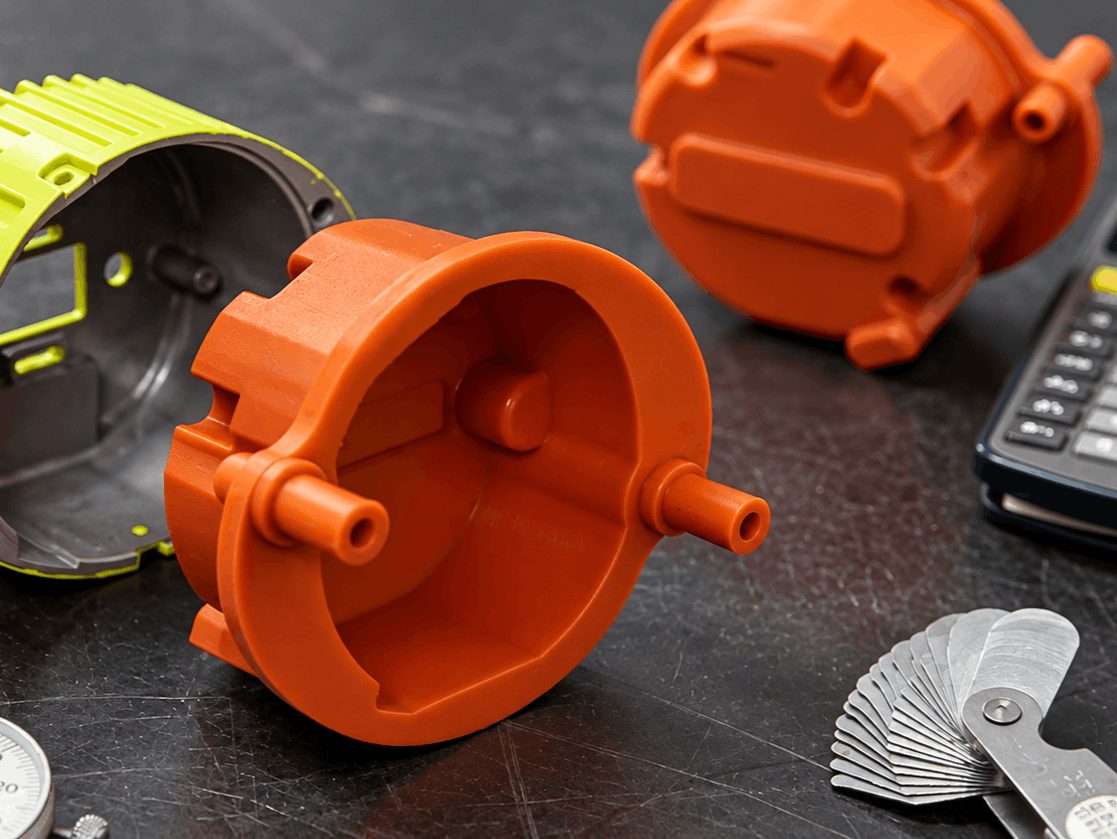
Custom Masking
Application-specific masks help protect complex contours, openings, and multiple critical features while simplifying repetitive preparation and removal.
View Custom Masking
Explore ready-to-use masking and racking solutions designed to help your team get organized, protected, and production-ready faster.
Looking for practical alternatives for industrial finishing? EPSI helps customers move forward with masking solutions engineered for heat, protection, reusability, and process consistency.
Download the latest EPSI technical guide and product reference materials.
Download Technical Guide Guide EspanolConnect with EPSI for help selecting masking, plugs, caps, hooks, racking, and finishing solutions for your application.

.png)
Help protect precision features, control part presentation, and standardize the work before coating begins. EPSI supplies masking, racking, and custom solutions for manufacturers finishing medical equipment frames, housings, brackets, and other components.
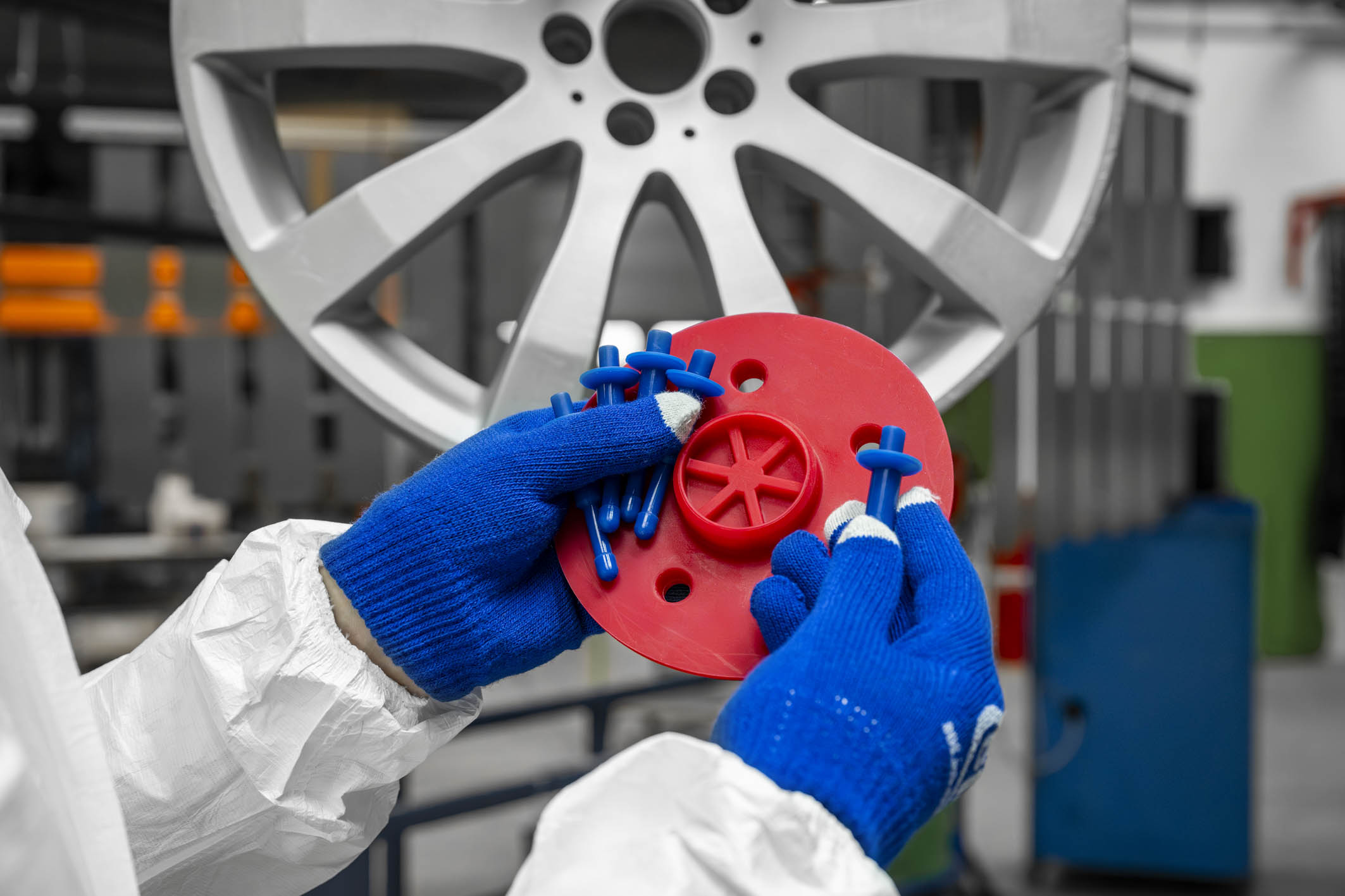
Protect threads, bores, sealing areas, connector interfaces, and other defined features with caps, plugs, tapes, discs, and custom masks selected for the finishing process.
Explore MaskingSupport consistent orientation, controlled contact, and reliable handling for medical equipment components using custom racks, hooks, and adaptable hanging setups.
Explore RackingWhen a standard mask or rack cannot meet the geometry or handling requirement, explore purpose-built solutions that simplify preparation and reduce variation.
Explore CustomExplore masking and racking products for coating medical equipment components. The right combination depends on the part, approved finish, critical surfaces, process conditions, and production workflow.
Application-specific masks help protect complex contours, openings, and multiple critical features while simplifying repetitive preparation and removal.
View Custom Masking.png)
Purpose-built racks support controlled part orientation, secure handling, defined contact locations, and efficient loading for equipment frames, housings, and components.
Explore Custom Racking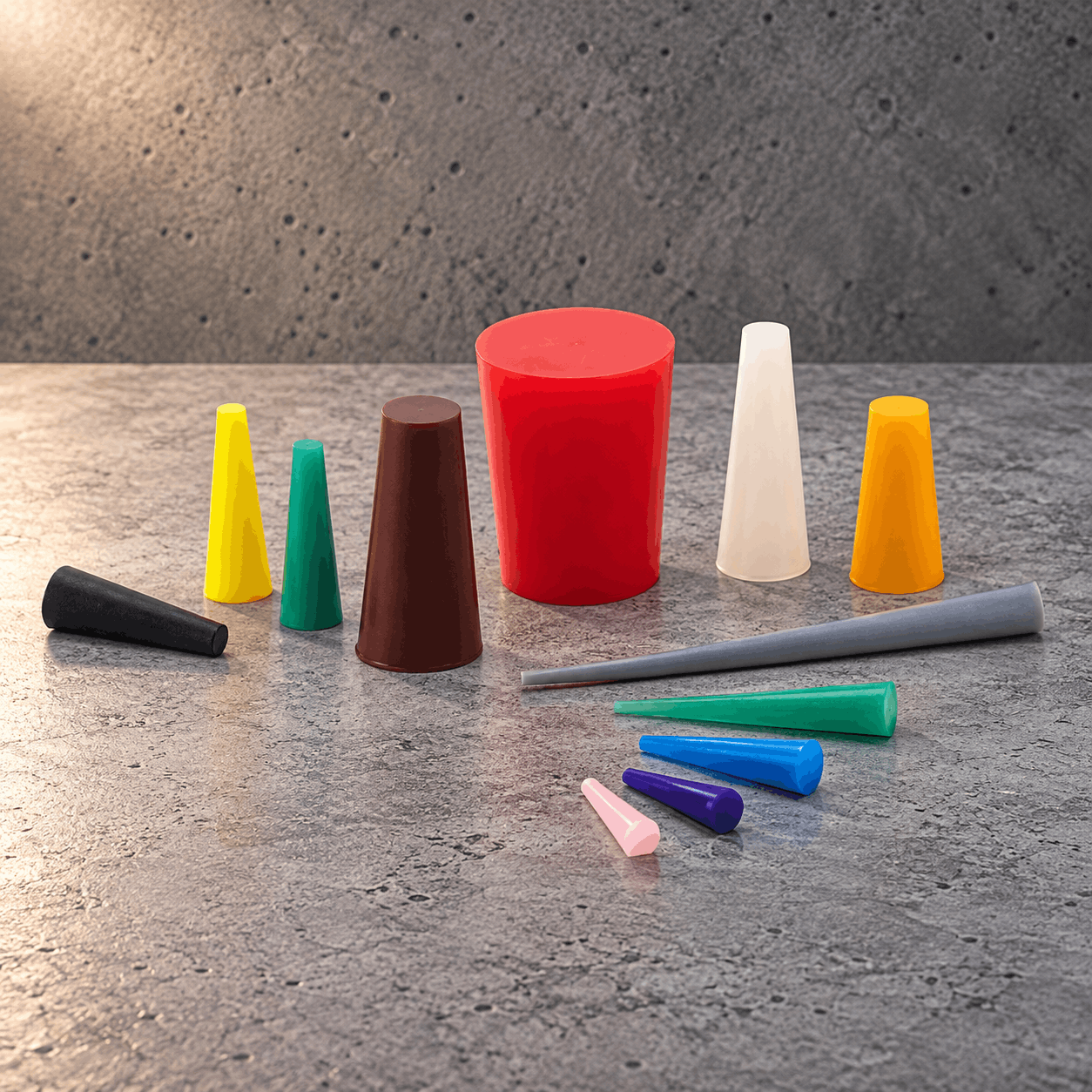
Protect threaded holes, bores, ports, and openings from unwanted coating with plug sizes and materials selected for the process and required fit.
View Masking Plugs
Cover studs, fasteners, tube ends, and external features to maintain specified coating-free areas through finishing and handling.
View Masking Caps
Create controlled boundaries and protect flat areas, contact pads, and selected surfaces with tape and disc options matched to process exposure.
View Tapes & Discs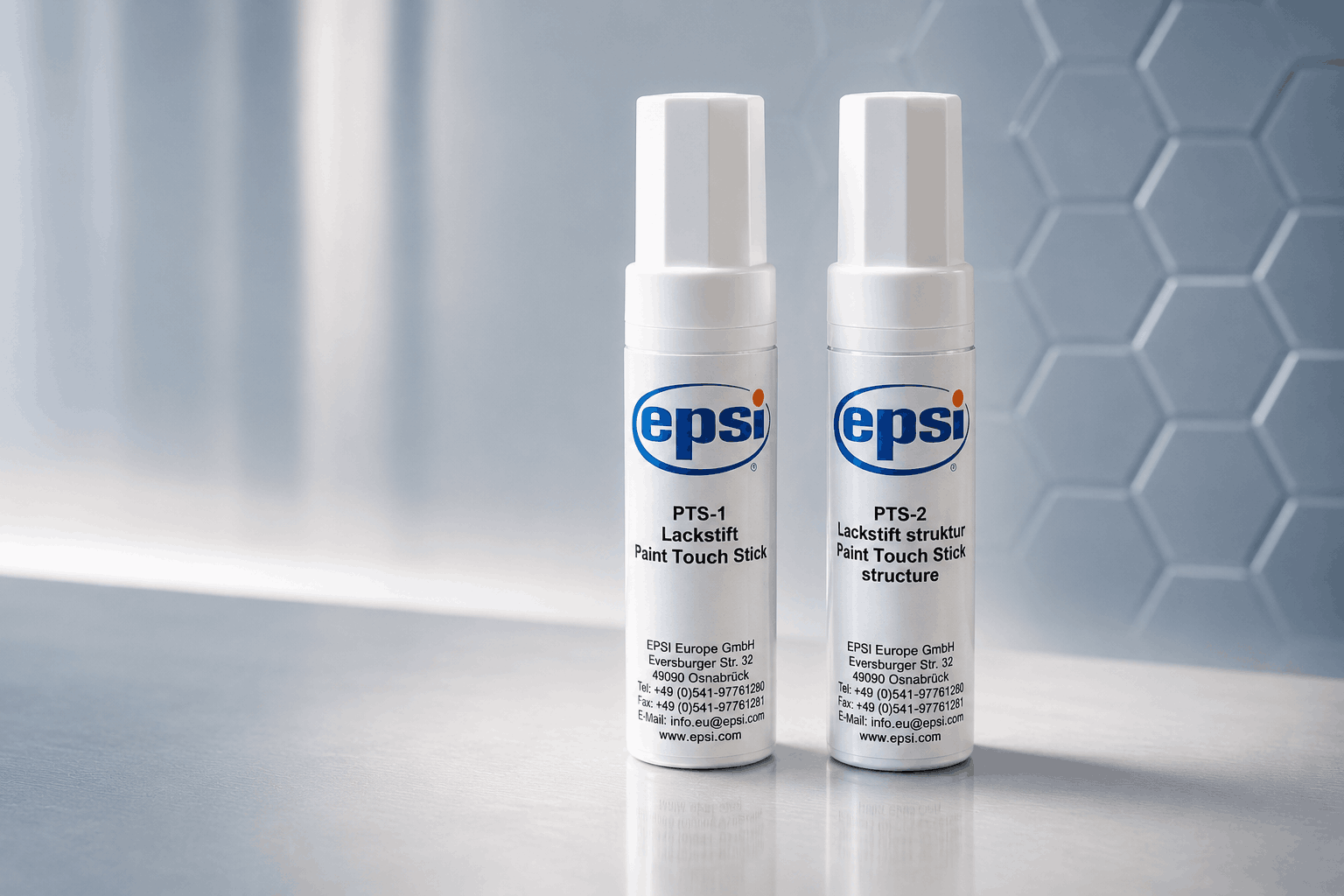
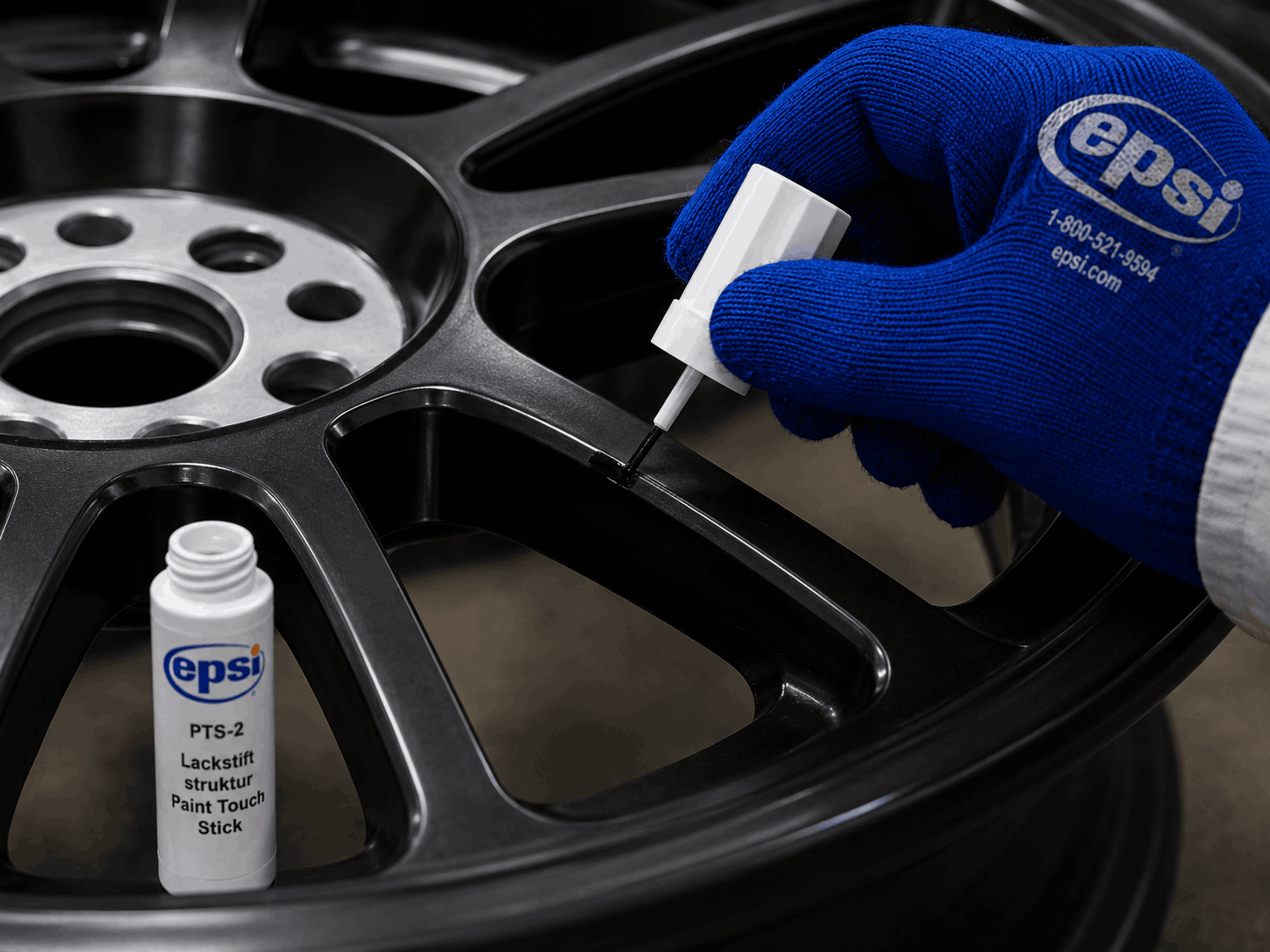
Support controlled cosmetic touch-up on compatible coated equipment components, subject to finish specifications and approved rework procedures.
View Paint Touch StickMedical device coating and medical equipment coating can involve very different components: structural frames, fabricated enclosures, brackets, panels, carts, and assemblies. Each brings its own finish specification, coating-free features, handling constraints, and inspection requirements.
Before a part reaches the spray booth or finishing bath, masking must define where coating is allowed. Racking must hold the part securely, support appropriate electrical contact where required, and keep critical surfaces accessible. Poor fit or inconsistent loading can introduce rework, delays, and avoidable variation.
EPSI helps manufacturers and finishing partners evaluate masking and hanging as part of the production method—not simply as consumables. Standard products can address many jobs, while custom masking and racking support unusual geometry, recurring part families, and more demanding setup requirements. Final material and process suitability must be validated against the manufacturer’s specifications.
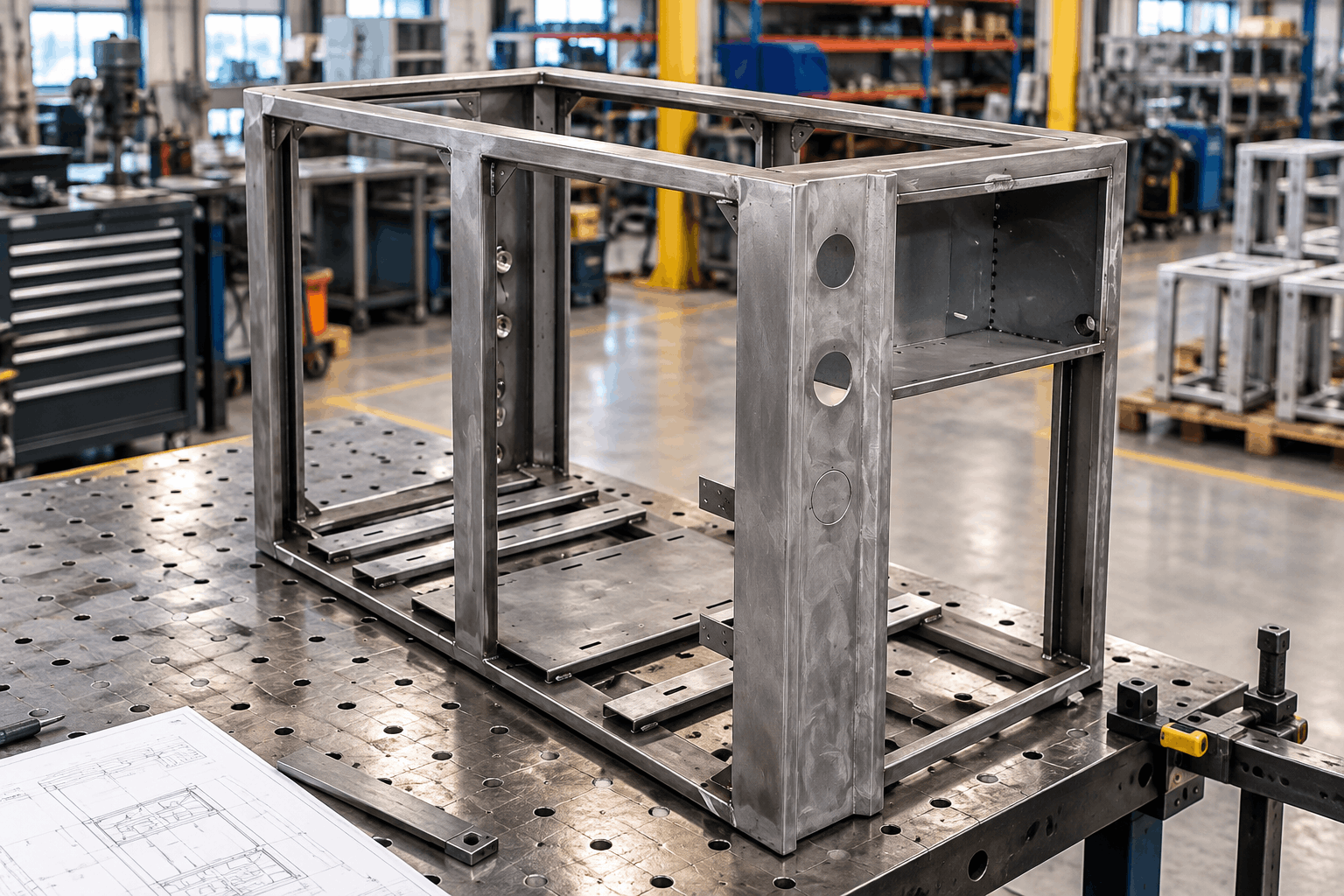
Start with the component drawing, finish requirements, and approved process. Then evaluate how the mask and rack will perform during preparation, coating, cure, inspection, and removal.
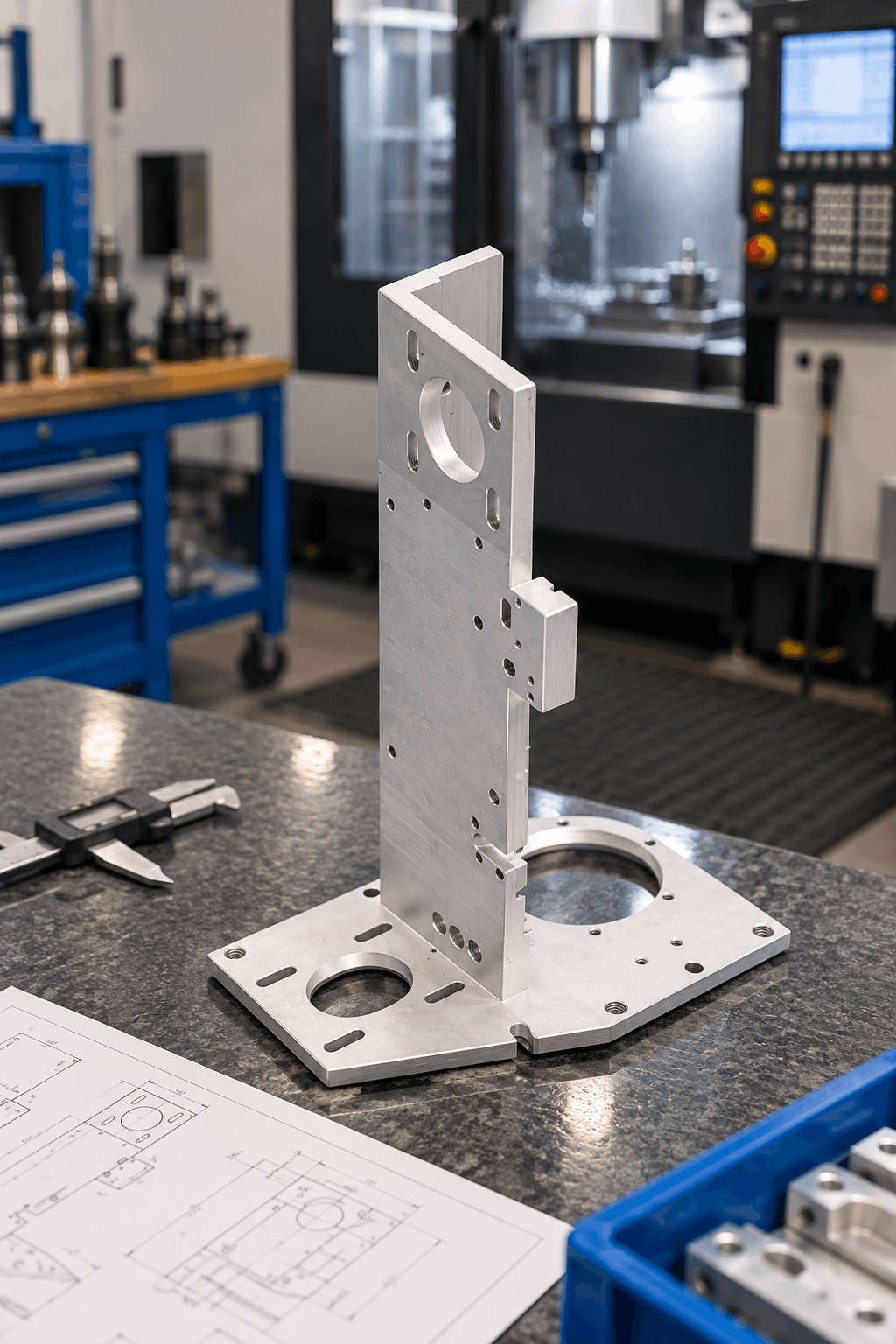
Identify the approved finish, substrate, pretreatment, process chemistry, cure temperature, and any required validation or documentation.
Mark threads, bores, connector interfaces, sealing surfaces, datum points, and other areas with defined finish boundaries.
Evaluate material compatibility, retention, installation speed, removal, edge definition, and the possibility of residue or damage.
Consider part stability, rack contact, grounding when relevant, coating access, spacing, and potential rack marks.
Standardize part orientation, masking sequence, inspection checkpoints, and setup instructions across operators and shifts.
Trial the solution under actual line conditions, review inspection outcomes, and plan replacement and inventory needs.
A large medical equipment enclosure may need careful protection of mounting points and access openings, while a small bracket may require precise coverage at threads, bores, or contact surfaces. Different geometries change the way operators mask, orient, and handle each component.
For repeated jobs, a dedicated mask or rack can make the setup easier to reproduce. For mixed production, flexible solutions may provide a better balance between changeover time and tooling investment. The goal is to keep the finishing method consistent without assuming every part has the same requirements.
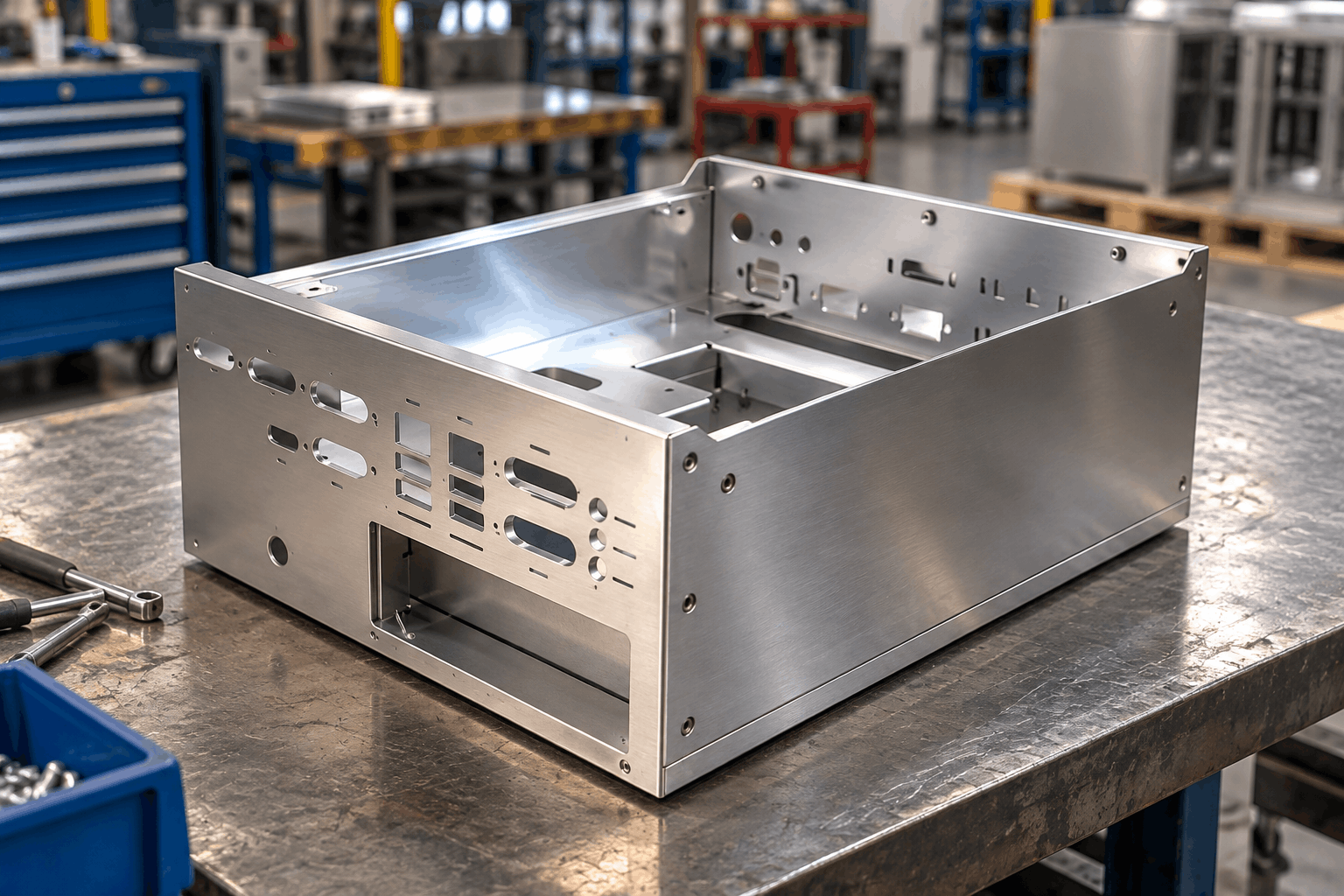
Different medical equipment components can pass through different preparation and finishing processes. EPSI helps manufacturers evaluate masking and racking requirements for the specific application.
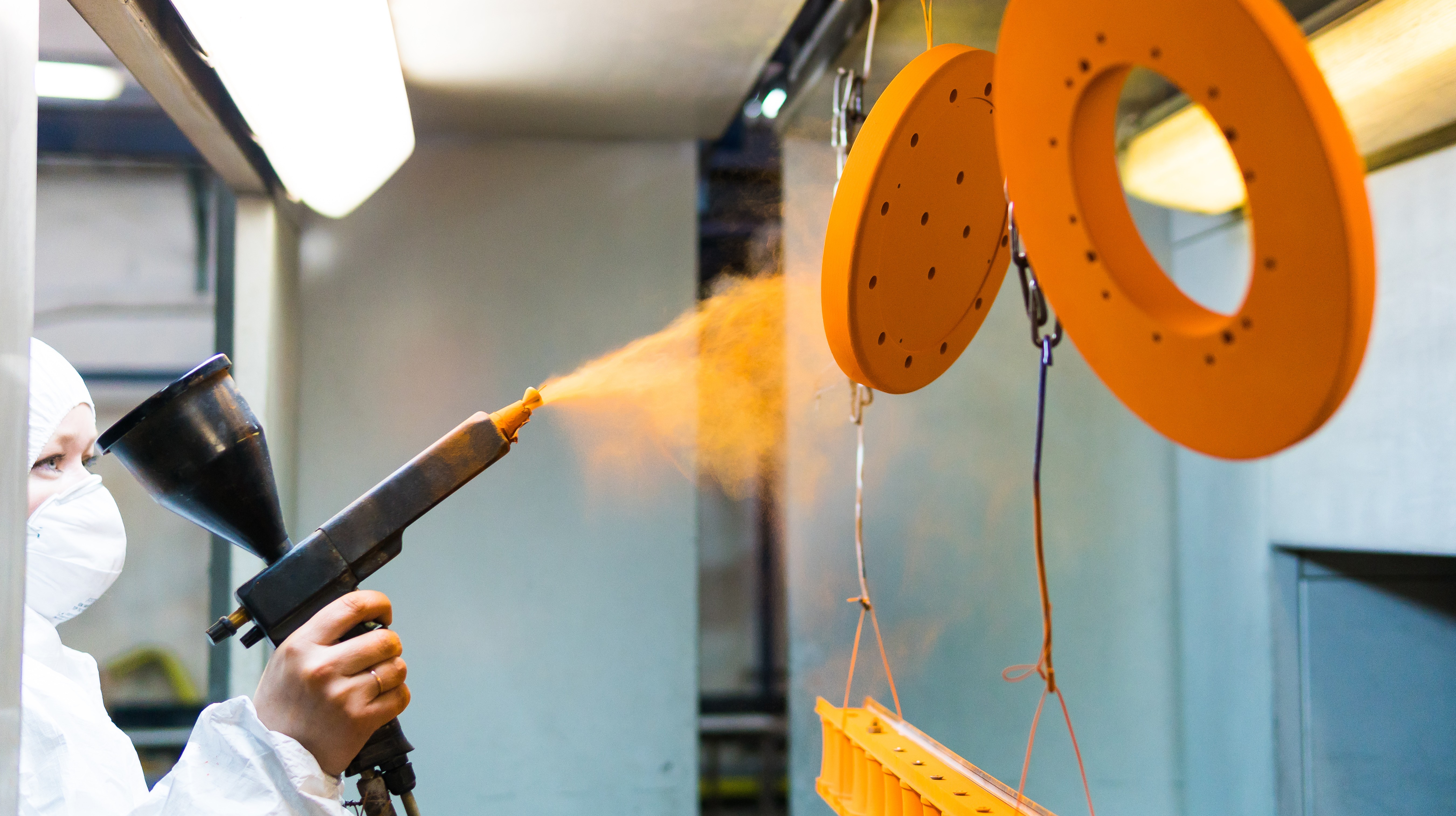
Protect defined surfaces and maintain secure, grounded hanging where electrostatic application is used.
Explore ApplicationPlan masking retention and coverage for immersion and electrically deposited coatings.
Explore ApplicationControl coverage on selected threads, openings, and functional features during plating operations.
Explore ApplicationProtect specified aluminum surfaces while accommodating process chemistry and handling.
Explore ApplicationDefine clean finish boundaries around ports, fasteners, and assembly interfaces.
Shield sensitive features during abrasive preparation where suitable protective materials are approved.
Keep internal and external threads clear for reliable downstream assembly.
Cover exposed fittings, ports, and surfaces between finishing, inspection, and assembly.
Explore masking and racking solutions for medical equipment coating and component finishing.
A missing plug size, cap, tape, or hook can delay a carefully scheduled finishing job. EPSI Vendor Managed Inventory helps participating manufacturers maintain agreed levels of regularly used supplies based on consumption and replenishment needs.
For repeat medical equipment components, planned replenishment can simplify purchasing, reduce last-minute shortages, and help teams follow a consistent masking and handling process.
Share your part geometry, coating specification, masking requirements, line conditions, and current handling method. EPSI can help you evaluate a suitable product path.
Practical resources on reducing rework, improving throughput, and standardizing masking methods.
Answers about masking, racking, powder coating, process selection, repeatability, custom solutions, and finishing supply planning.
Medical device coating refers to applying a specified surface finish to a medical product or component. Depending on the application, this may involve protective, decorative, or functional finishes on equipment housings, frames, brackets, panels, and other manufactured parts. Coating selection depends on substrate, intended use, cleaning exposure, performance requirements, and the manufacturer’s approved specifications. Not every medical component uses the same finishing process.
Medical equipment coating may involve more detailed requirements for surface appearance, dimensional fit, cleanability, documentation, and repeatability, depending on the product and intended environment. Equipment used in clinical spaces can have different demands from internal structural components. Masking and racking must follow the approved finishing process rather than a generic industry assumption. Manufacturers remain responsible for evaluating applicable standards, material compatibility, and final product performance.
Masking protects areas that must remain free of coating or maintain a defined finish boundary. Examples can include threaded holes, mounting points, electrical interfaces, sealing surfaces, ports, and precision-fit features. Incorrect masking may cause assembly interference, added cleanup, or inconsistent appearance. A repeatable masking method helps operators place protection consistently and makes it easier to inspect whether the finished component matches the drawing and process requirements.
Common industrial finishing options include silicone plugs, masking caps, high-temperature tapes, adhesive discs, and custom-molded masks. The appropriate choice depends on the part geometry, the coating process, temperature, chemical exposure, retention requirements, and desired finish boundary. Products should also be evaluated for installation and removal time. A masking product suitable for one medical equipment component should not automatically be assumed suitable for another.
Start with the opening dimensions, thread type, required depth of protection, and the location of the desired coating boundary. Then compare plug geometry, material, compression, retention, and removal access. Process temperature and chemistry matter because a plug must maintain its fit throughout exposure. Trial the proposed size on actual parts and inspect the results before standardizing the method for a production run.
Custom masking is worth evaluating when standard caps, plugs, or tape require extensive trimming, leave inconsistent boundaries, or take too long to install and remove. A custom mask may protect multiple features at once or accommodate unusual geometry. Its value should be measured across total handling time, repeatability, expected reuse, and inspection results. EPSI can help assess whether an application-specific design offers an advantage over standard products.
Racking controls how a component is supported, oriented, spaced, and transferred through the finishing process. It can influence coating access, handling damage, rack marks, and electrical contact when electrostatic application is used. A good rack also considers operator loading and unloading. For medical equipment frames, enclosures, and brackets, the chosen setup should accommodate part geometry while respecting defined finish-critical surfaces and production constraints.
Custom racking can help when a frame or enclosure is awkward to hang, requires specific contact points, or needs a repeatable orientation. A dedicated fixture may reduce movement and variation between operators while supporting consistent spacing and handling. However, rack design alone cannot guarantee coating quality. Pretreatment, application settings, grounding where required, cure conditions, and inspection practices must also be controlled as part of the approved finishing process.
Electrostatic powder coating requires a conductive path between the part and ground. Hooks and rack contacts can accumulate coating, reducing the effectiveness of that path over repeated cycles. Manufacturers should define suitable contact locations, verify continuity using their process requirements, and maintain hanging equipment. Grounding is one part of a larger system that also includes pretreatment, powder application, part geometry, and cure. Not every finishing process uses electrical grounding in the same way.
Reusable masking may be practical for repeat components when the material retains its fit, integrity, and required performance after multiple cycles. Evaluate coating buildup, cleaning, wear, storage, installation time, and the risk of contamination or residue. The decision should consider total cost per use rather than unit price alone. Reuse must also be consistent with the manufacturer’s approved process and any applicable cleanliness or quality requirements.
EPSI offers masking product families for a range of industrial finishing processes, but suitability depends on the specific product and process. Plating and anodizing can involve aggressive chemistry, while e-coating introduces immersion, retention, and electrical considerations. A material that works during powder coating may not be appropriate for these conditions. Confirm compatibility with actual bath chemistry, temperature, exposure time, part geometry, and the finish specification before production use.
Start by documenting where defects and delays originate. Common upstream contributors include incorrect mask placement, loose masking, unstable hanging, inconsistent rack contacts, and handling damage. Standardized setup instructions, clear inspection points, and properly maintained fixtures can reduce variation. Track results by part family and process step rather than treating every defect as a coating application problem. Changes should be evaluated against approved quality and validation procedures.
Vendor Managed Inventory can help maintain agreed stock levels for frequently consumed caps, plugs, tapes, discs, hooks, and other finishing supplies. Replenishment based on actual usage may reduce shortages, emergency purchasing, and time spent locating materials. It can also support repeatable work instructions by keeping the specified products available. The best arrangement depends on usage patterns, inventory targets, lead times, and the manufacturer’s purchasing and quality requirements.
Provide a part drawing or photos, substrate, finishing process, temperature, chemical exposure, and the surfaces that must remain uncoated. Include production volume, current masking or hanging method, line dimensions, desired contact points, and any recurring problems. Explain whether you need standard products or help with a custom design. Share relevant acceptance criteria so EPSI can recommend options for your team to evaluate and approve.
No masking or racking product alone establishes medical device compliance. Regulatory and quality requirements depend on the finished device, intended use, materials, manufacturing controls, and applicable standards. EPSI supplies industrial finishing support products, not a blanket certification for a finished medical device or its coating process. Manufacturers should qualify materials, validate processes where required, document results, and confirm that the finished product meets its own specifications and obligations.