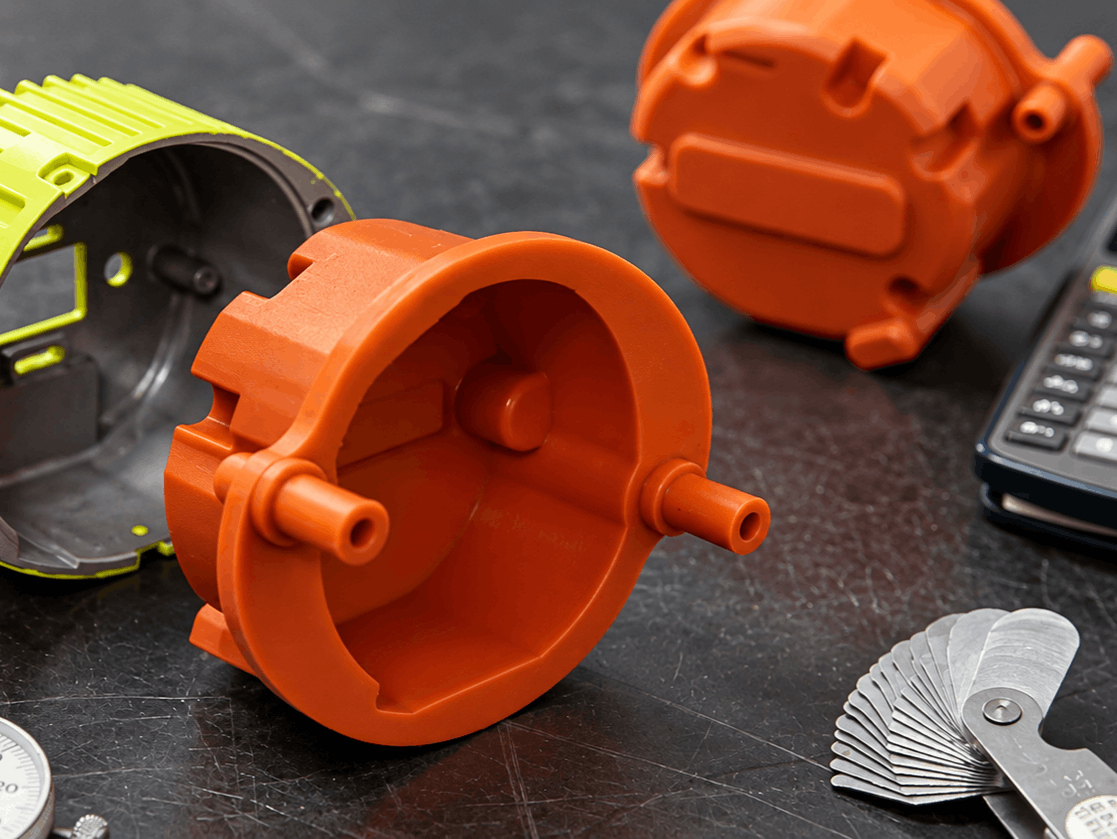
Custom Masking
Protect complex machined profiles, multiple threaded features, and recurring no-coat zones with application-specific masks that can simplify installation and removal.
Explore Custom Masking
Explore ready-to-use masking and racking solutions designed to help your team get organized, protected, and production-ready faster.
Looking for practical alternatives for industrial finishing? EPSI helps customers move forward with masking solutions engineered for heat, protection, reusability, and process consistency.
Download the latest EPSI technical guide and product reference materials.
Download Technical Guide Guide EspanolConnect with EPSI for help selecting masking, plugs, caps, hooks, racking, and finishing solutions for your application.

.png)
From machine guards and welded frames to precision brackets, housings, and fabricated tooling, protect critical features and keep coating lines moving with EPSI masking, hooks, and racking built around the finishing process.
Caps, plugs, tapes, discs, and custom masks help preserve bores, threaded holes, shaft ends, bearing seats, and assembly interfaces.
Explore MaskingFrom compact brackets to heavy fabricated guards, racking and hooks support secure hanging, contact, and coating access.
Explore RackingPurpose-designed masking and fixtures can simplify recurring protection steps and improve handling of complex machine components.
Explore CustomExplore masking, hanging, and racking solutions for machine frames, precision components, fabricated guards, brackets, and industrial tooling.
Protect complex machined profiles, multiple threaded features, and recurring no-coat zones with application-specific masks that can simplify installation and removal.
Explore Custom Masking.png)
Support weldments, machine guards, and irregular frames with purpose-built racks designed around load stability, contact placement, part spacing, and coating access.
Explore Custom Racking
Shield threaded holes, tapped bores, lubrication ports, and mounting features from coating buildup using plugs selected for secure fit and process exposure.
Explore Masking Plugs
Cover studs, shaft ends, exposed threads, and protruding fittings with caps matched to component dimensions, processing conditions, and removal needs.
Explore Masking Caps
Define clean coating boundaries on flanges, flat mating faces, bearing interfaces, and selected contact points with process-appropriate tapes and discs.
Explore Tapes & Discs
Hang brackets, guards, plates, and fabricated assemblies using hooks selected for part weight, contact quality, conveyor setup, and repeatable handling.
Explore HooksMachinery and tool manufacturers finish an unusually broad mix of parts: welded machine frames, safety guards, brackets, mounting plates, enclosures, and precision-machined components. A consistent finish protects exposed surfaces, but holes, threads, bearing locations, and assembly faces often need to remain free of coating.
The challenge is not simply coverage. Powder buildup in a tapped hole can slow assembly; coating on a mating face can affect fit; an unstable hanging point can leave a contact mark or interrupt the electrical path needed for powder application. Large weldments and small high-volume parts also place very different demands on loading and line space.
EPSI helps finishing teams approach masking and racking as process tooling. By considering geometry, substrate, pretreatment, cure conditions, load weight, operator touch time, and reuse, manufacturers can select standard or custom solutions that support consistent results from preparation through final assembly.
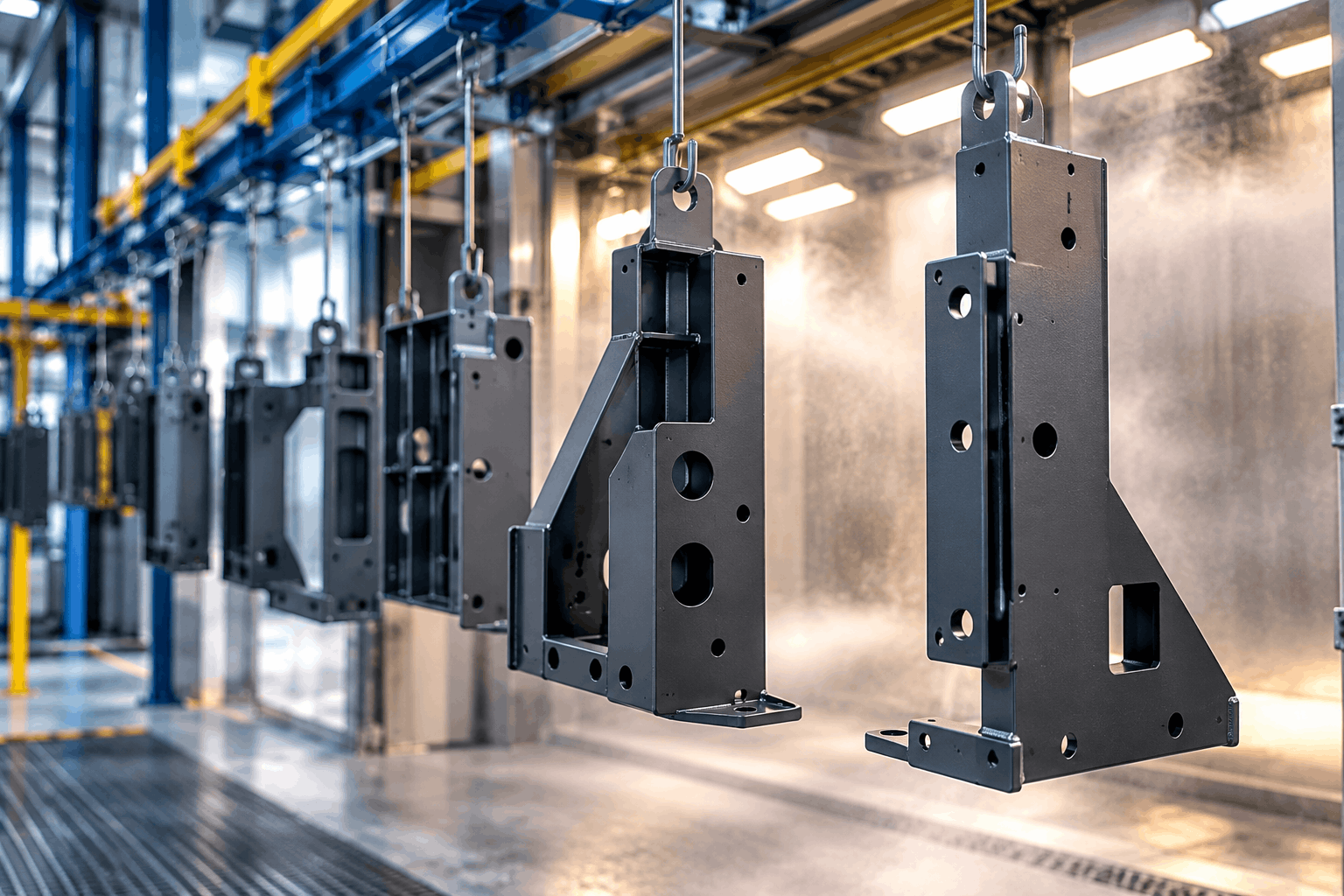
Start with the features that must remain functional, then evaluate the process conditions and the way each component moves through the line.
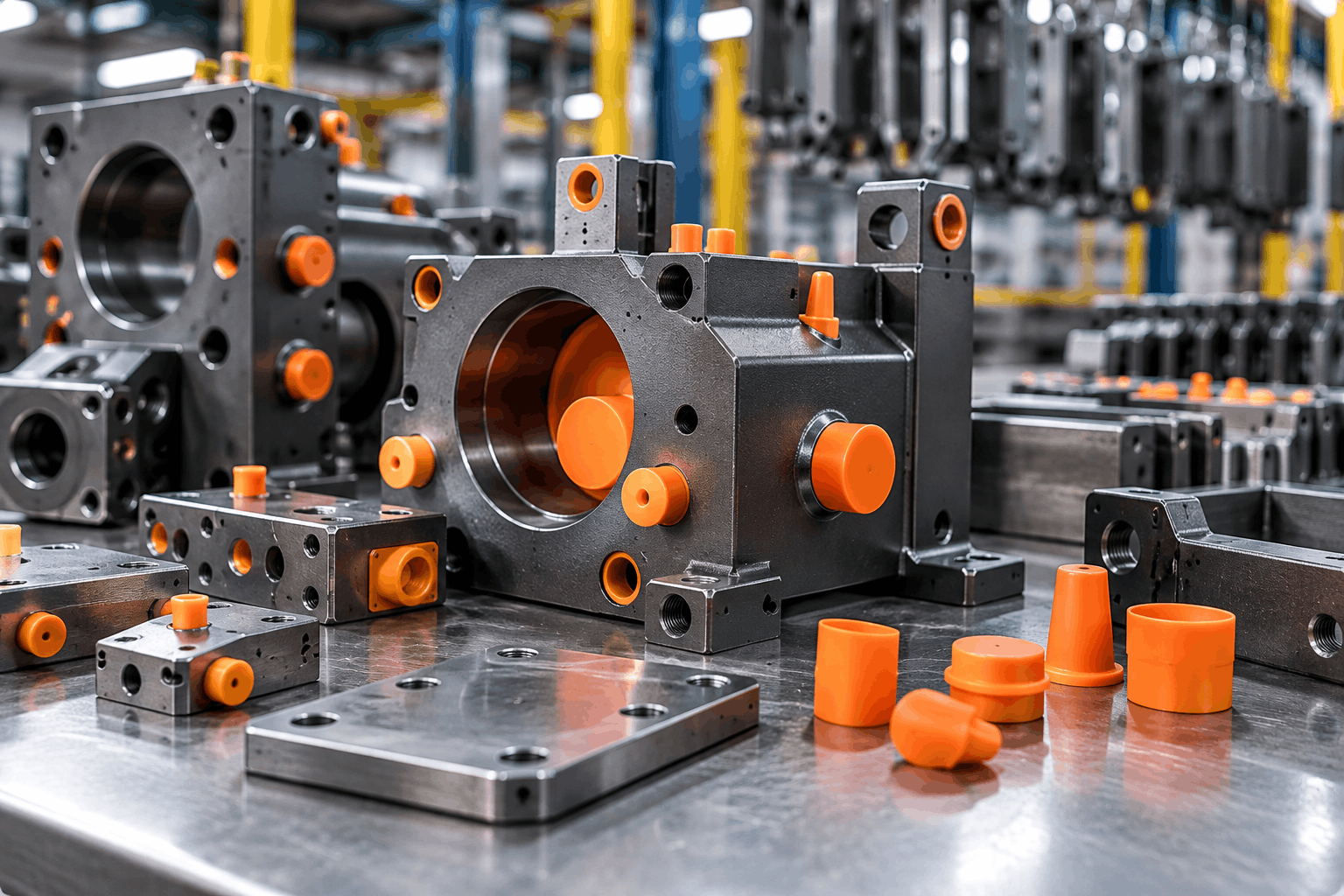
Check substrate, cleaning chemistry, blasting, coating method, cure temperature, dwell time, and reuse requirements.
Mark tapped holes, bearing seats, shaft fits, lubrication passages, precision bores, and assembly faces.
Review component mass, center of gravity, contact location, conveyor limits, and safe hanging orientation.
Inspect deep recesses, welds, sharp edges, hollow sections, and areas that are difficult to coat or drain.
Measure installation, loading, demasking, rack cleaning, changeovers, and rework rather than unit cost alone.
Validate mask retention, contact, coating quality, removal, and replenishment under actual production conditions.
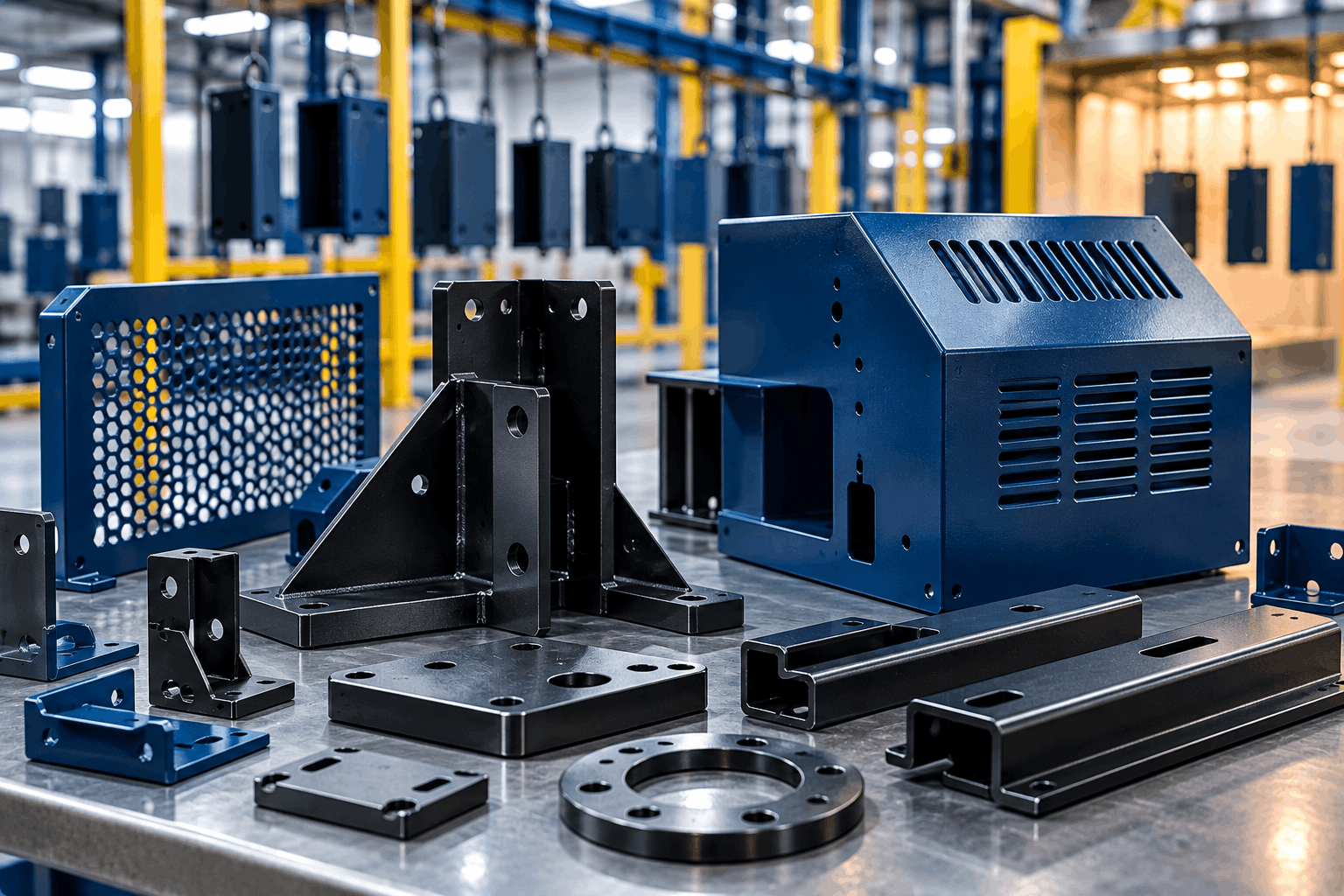
On a machinery production line, the finish is only one part of the requirement. A coated guard still needs to bolt into place. A precision bracket must retain its mounting dimensions. A fabricated frame needs a repeatable hanging method that works from batch to batch.
Reviewing masking, hanging, and replenishment together helps teams address the work surrounding the spray booth: fewer improvised setups, clearer protection points, more consistent loading, and supplies available when operators need them.
EPSI offers standard masking products, hooks, racking, custom solutions, and inventory support so finishing teams can build a practical process around their actual components.
Explore Custom SolutionsEPSI supplies support coating, pretreatment, protection, and handling requirements across a range of electronic and appliance component finishing operations.
Protect threads and precision faces while supporting secure hanging and consistent coverage on frames, guards, and fabricated parts.
Explore ApplicationSelect masks and rack contacts for immersion chemistry, deposition requirements, drainage, and protected functional surfaces.
Explore ApplicationMaintain defined plating boundaries on precision fittings, shafts, and industrial hardware requiring selective deposition.
Explore ApplicationProtect specified aluminum tool and machinery interfaces while accounting for bath chemistry and electrical contact.
Explore ApplicationShield bores, fittings, and assembly faces while handling fabricated components through liquid paint operations.
Protect precision-machined seats, threads, and other vulnerable areas during abrasive preparation.
Keep tapped holes, studs, and mounting hardware ready for fastening and assembly after finishing.
Protect exposed ports, threads, and finished interfaces from debris during staging, transport, and storage.
Continue exploring EPSI products, with machinery and tools finishing picks to complete your selection.
A missing plug, cap, disc, or hook can hold up a batch of machine components even when the coating equipment is ready. EPSI Vendor Managed Inventory helps align recurring finishing supplies with agreed stocking and replenishment requirements.
For manufacturers handling multiple part families, planned replenishment can reduce emergency orders and make it easier to keep standard masking sizes and hanging supplies ready for scheduled production.
Whether you are protecting a machined bore, hanging a heavy weldment, or improving a high-mix coating line, EPSI can help narrow the options to a practical masking and racking solution.
Explore practical guidance on reducing rework, improving throughput, and standardizing masking in powder coating operations.

Practical answers about machinery powder coating, precision masking, industrial hooks, racking, process selection, and supply planning.
Machinery and tool finishing operations commonly use masking plugs, caps, tapes, discs, hooks, and modular or custom racks. These supplies protect threads, bores, machined interfaces, and other features while holding parts securely during processing. The correct combination depends on component size, weight, geometry, substrate, coating method, and required finish boundaries. A welded frame often needs a different approach than a small precision bracket.
Masking keeps coating out of locations where buildup could interfere with assembly, movement, or fit. Common examples include tapped holes, bearing seats, shaft interfaces, locating surfaces, and hydraulic or lubrication ports. Defining these no-coat areas before production helps avoid scraping, retapping, or other corrective work. Masking materials must also tolerate pretreatment and curing conditions and be removable without damaging the finished component.
Begin with the actual hole diameter, depth, thread profile, and the portion that must remain uncoated. Then review cleaning chemistry, coating method, cure temperature, exposure duration, and expected reuse. Select a plug geometry that retains securely without damaging the part or creating difficult removal. A production trial should confirm fit, coating boundary, and removal performance across normal dimensional variation.
Caps are typically used over external features such as studs, shaft ends, pins, and protruding fittings. Plugs are generally used inside holes, ports, and bores. Some machine assemblies need both types of protection. Compare the exact feature dimensions, available clearance, coating boundary, and process exposure before selecting a product. Retention during handling and ease of removal are just as important as initial fit.
Suitable tapes and discs can create defined coating-free areas on flat flanges, mounting pads, bearing interfaces, and other mating surfaces. Material choice depends on adhesion, substrate condition, chemical exposure, cure temperature, edge definition, and removal requirements. For tight tolerances, confirm the final protected dimensions on actual parts. Tape or disc selection should be validated against the complete finishing process rather than temperature rating alone.
Racking controls orientation, spacing, stability, and contact location as parts move through the coating line. A poor setup can create contact marks, difficult spray access, unstable loads, or inconsistent electrical grounding. Heavier weldments require particular attention to load capacity and center of gravity. Well-designed fixtures help operators present components consistently while accommodating conveyor clearances, cleaning, and repeated handling.
Electrostatic powder application depends on an effective conductive path between the workpiece and ground. Dirty hooks, accumulated coating, or inadequate contact points can reduce that path and contribute to uneven powder attraction. Rack maintenance and deliberate contact placement are therefore important process controls. Separate assembly bonding requirements may also call for coating-free surfaces, which should be addressed through appropriate masking and inspection.
Large fabricated parts can have corners, weld seams, recesses, cutouts, and uneven weight distribution. These features complicate hanging, spray access, drainage, and consistent coverage. Contact locations must be chosen so they do not interfere with visible or functional surfaces. Reviewing the actual geometry before building a rack helps identify handling constraints and can reduce repeated repositioning or unnecessary touch-up.
Custom masking may be worthwhile when a component has unusual geometry, several closely spaced protection points, or a repeated manual taping operation. A purpose-designed mask can make placement more consistent and may combine multiple protection steps. Compare tooling investment with production volume, operator time, cleaning, reuse, and defect reduction. Trials on real components are essential before assuming a custom design will improve overall economics.
Custom racking can be designed around recurring component dimensions, weight, contact points, and coating access. It may improve load stability, reduce improvised hanging methods, and support repeatable presentation. However, dedicated racks can also require storage and maintenance. For mixed production, compare custom fixtures with modular systems and consider changeover time, rack density, cleaning frequency, and the number of part families involved.
Start with the part weight, hanging orientation, available holes or contact features, and conveyor configuration. Check hook material, wire diameter, shape, load capacity, and how electrical contact will be maintained. A secure hook must also allow coating access and practical unloading. For repeated runs, monitor deformation and coating buildup, because worn or heavily coated hooks can compromise handling and contact reliability.
Not without verification. Powder coating commonly involves electrostatic application and thermal curing, while e-coating adds immersion chemistry, electrical deposition, and different retention challenges. A product suitable for one process may not seal or withstand the other. Confirm temperature, chemistry, dwell time, fit, and removal performance for each line. Trials should use the actual pretreatment and finishing sequence rather than relying on general material descriptions.
Map the complete workflow, including locating supplies, installing masks, loading racks, changing fixtures, removing masks, and cleaning hooks. Repeated measuring, cutting, and improvised hanging can add substantial touch time. Standardized sizes, clear work instructions, organized supply locations, and modular or application-specific tooling may help. Measure time per part and rework before and after changes to determine whether the process truly improves.
Vendor Managed Inventory can help maintain agreed stock levels for regularly consumed plugs, caps, tapes, discs, and other finishing supplies. This is useful when different machinery part numbers depend on overlapping masking sizes. Planned replenishment may reduce shortages, rush purchases, and time spent checking bins. Stocking levels should reflect actual consumption, production variability, lead times, and the physical locations where operators use the supplies.
Provide drawings or photographs, component dimensions and weight, substrate, finishing method, and the features that must remain uncoated. Include pretreatment chemistry, cure conditions, conveyor limits, production volumes, and current masking or hanging methods. Explain the specific challenge, such as difficult removal, contact marks, poor fit, slow loading, or frequent rework. These details help EPSI evaluate appropriate standard and custom options.