
.png)
The Most Expensive Mask Is the One That Fails: The Hidden ROI of Better Powder Coating Masking
In powder coating and industrial surface finishing, masking protects threads, bores, sealing surfaces, electrical contact points, and other critical features that must remain free of coating. When protection fails, manufacturers may face additional labor, rework, rejected parts, and production delays.
When it comes to Standard Plugs vs. Custom Molded Masks, the most economical masking solution isn't necessarily the one with the lowest purchase price.
The most expensive masking product isn't necessarily the one with the highest price. It's the one that creates the greatest total cost per acceptable finished part.

The Hidden Costs of Masking Failures
Masking failures rarely appear as a separate expense on a manufacturing cost report. Instead, their impact is distributed across production, quality control, labor, and material consumption.
1. Rework Costs More Than Another Coating Pass
When powder reaches a surface that should remain uncoated, correcting the problem may require more than removing excess material.
Depending on the part and coating requirements, rework can involve inspection, manual cleanup, stripping, surface preparation, recoating, curing, and additional quality verification.
For precision threads or sealing surfaces, removing unwanted coating may also risk damaging critical dimensions.
Even when a part can be recovered, the additional processing consumes resources that weren't included in the original production plan.
2. Scrap Can Turn a Small Failure Into a Significant Loss
Not every masking failure can be corrected economically.
If coating contamination compromises a critical feature, the component may require extensive repair or rejection.
This is especially important for high-value machined components, assemblies with tight tolerances, and parts subject to strict customer specifications.
The cost of scrapping a component may include its raw material, machining, previous manufacturing operations, and finishing labor—not simply the masking product that failed.
3. Inconsistent Masking Creates Unpredictable Labor Costs
A masking method that works reliably for one operator but requires repeated adjustments by another introduces unnecessary process variation.
Inconsistent installation, difficult removal, and repeated repositioning can increase handling time across thousands of parts.
Standardizing masking products and application methods can help manufacturers establish more predictable cycle times and reduce operator-dependent variation.
What Does a 1% Masking Failure Rate Really Cost?
Consider a hypothetical manufacturing operation producing 10,000 powder-coated components per month.
Suppose masking-related defects affect just 1% of production, resulting in 100 components requiring additional work.
If each affected component incurs an average of $20 in incremental rework expenses, the operation faces:
ILLUSTRATIVE MASKING FAILURE COST
|
Monthly |
Masking-Related |
|---|---|
|
10,000 parts |
1% |
|
Monthly Rework |
Annualized Rework |
|
$2,000 |
$24,000 |
If improved masking reduces the defect rate from 1% to 0.25%, the operation would avoid 75 reworked parts per month—equivalent to $1,500 in monthly avoided rework costs, or $18,000 annually.
These figures are illustrative, not verified EPSI customer results. Actual savings depend on production volume, defect causes, part value, and corrective labor.
Nevertheless, the calculation demonstrates why relatively small improvements in masking reliability can create meaningful financial opportunities.
Calculating the ROI of Better Powder Coating Masking
A useful masking ROI calculation considers three major cost categories:
|
Cost category |
What to evaluate |
|---|---|
|
Masking materials |
Purchase price, consumption, reuse, and replacement frequency |
|
Application labor |
Installation, adjustment, removal, and cleanup time |
|
Quality-related losses |
Masking-related rework, scrap, inspection, and production interruptions |
The basic formula is:
ROI (%) = [(Financial Benefits − Improvement Investment) ÷ Improvement Investment] × 100
For example, suppose a manufacturer invests an additional $3,000 annually in improved masking products and implementation, but eliminates $12,000 in documented rework and labor expenses.
The net annual benefit would be $9,000, producing a calculated first-year ROI of 300%.
A complete evaluation should include tooling, training, validation, and any other implementation costs. Savings should also be measured against a comparable production baseline.
The objective is not necessarily to minimize masking material spending. It's to reduce the total cost of producing an acceptable finished component.
A few cents saved on masking materials can disappear quickly when one failure sends an expensive component back through production.
Why Better Masking Is a Manufacturing Efficiency Strategy
Reliable masking supports more than coating quality.
When operators can install and remove protection consistently, production becomes easier to standardize. When protected surfaces remain clean, manufacturers can reduce unnecessary corrective work.
And when masking products are selected for the actual finishing environment, they are less likely to introduce avoidable process problems.
That requires considering operating temperature, chemical exposure, part geometry, required sealing performance, and removal methods.
A product suitable for powder coating may not automatically be appropriate for e-coating, plating, or another surface finishing process.
For repetitive applications, manufacturers should also evaluate whether reusable components or custom-designed masking can reduce manual steps.
The best solution balances reliable protection, practical handling, process compatibility, and total cost.
How EPSI Can Help
Every finishing operation has different masking requirements, and improving ROI starts with understanding where unnecessary costs occur.
EPSI helps manufacturers evaluate masking challenges across product selection, application efficiency, and process requirements. Whether protecting a simple threaded hole or developing a solution for complex component geometry, EPSI offers standard and custom options designed to support reliable surface protection and more efficient production.

Caps
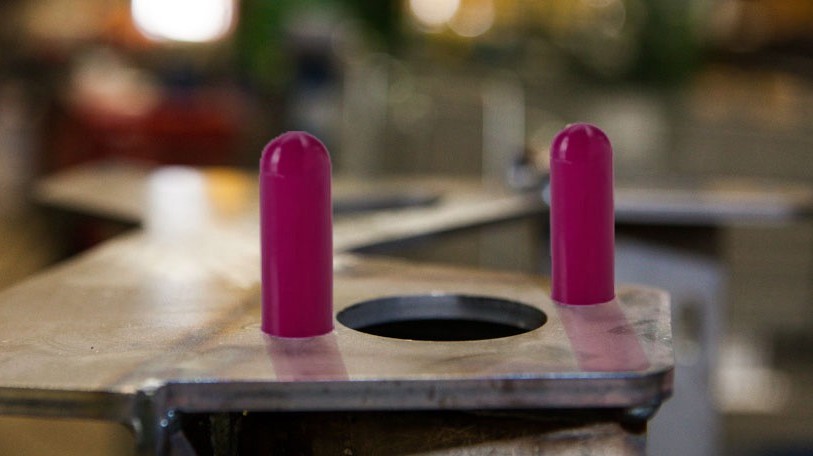
EPSI masking caps help protect exposed threads, studs, tubing ends, and other external features during finishing. Selecting the appropriate material, size, and fit can improve installation consistency while helping prevent unwanted coating buildup.
Explore Caps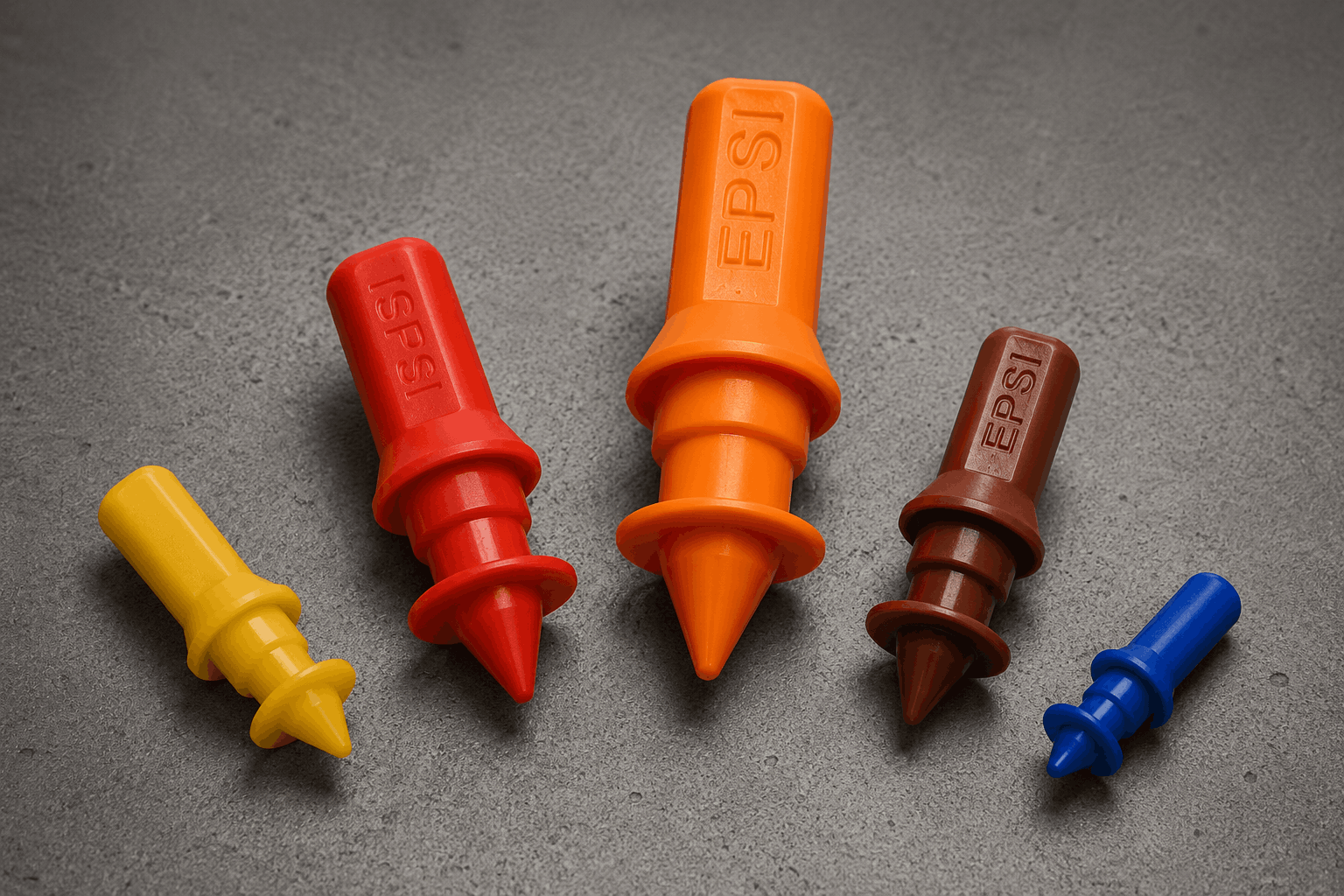
Plugs
From threaded holes to bores and specialized openings, EPSI plugs provide protection for internal features that must remain free of coating. Application-matched designs can simplify handling and support repeatable masking performance.
Explore Plugs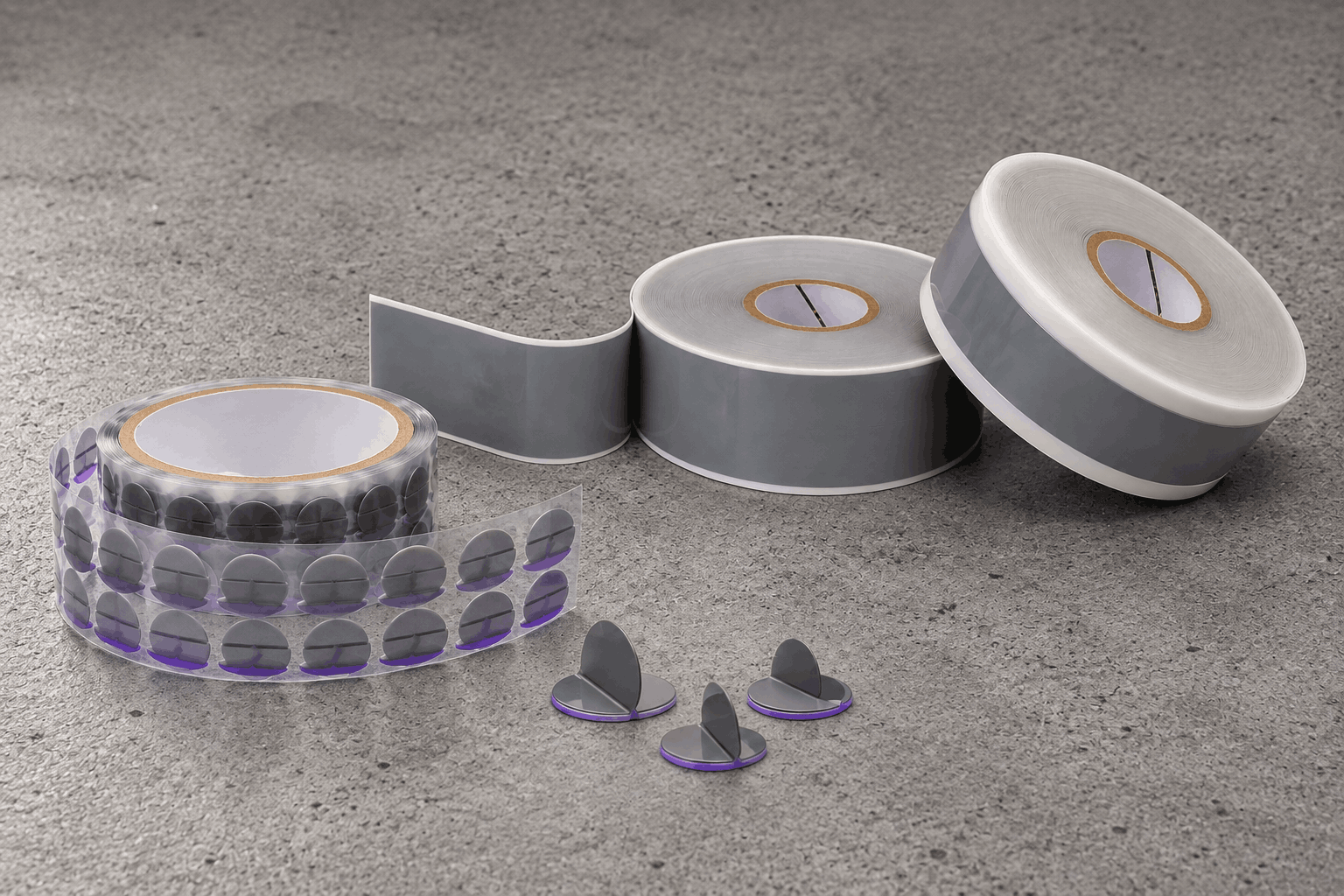
Tapes & Discs
EPSI's tapes and discs help protect flat surfaces, openings, and defined no-coat areas. Properly selected adhesive materials and pre-cut shapes can reduce manual trimming while supporting consistent masking boundaries.
Explore Tapes & Discs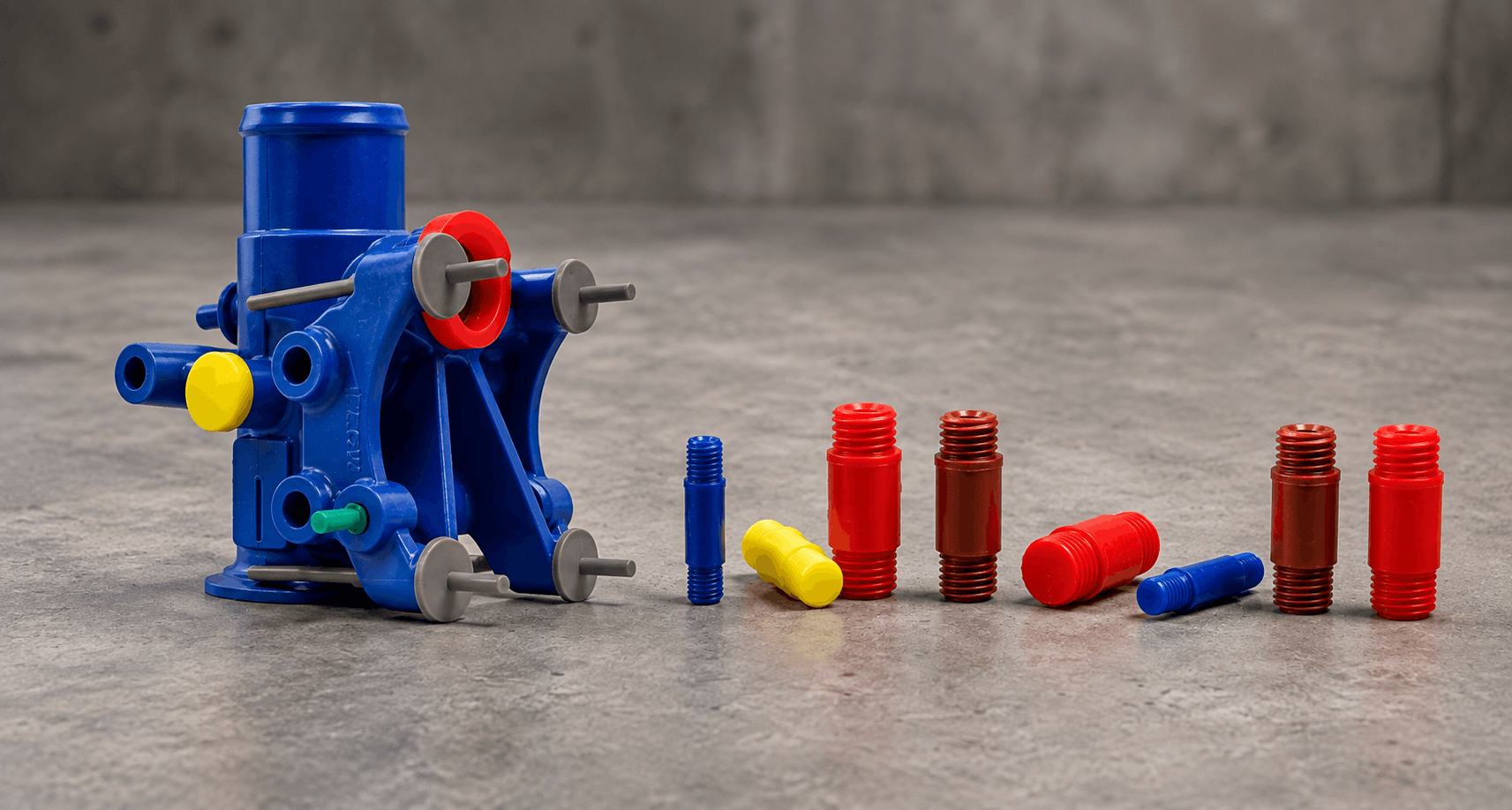
Custom Masking
When standard products require multiple steps or struggle with complex geometries, EPSI can develop masking solutions tailored to the application. Custom designs may consolidate masking operations, reduce handling variation, and improve overall process efficiency.
Explore Custom MaskingThe Bottom Line: Better Masking Protects More Than the Part
The value of industrial masking extends far beyond the cost of a cap, plug, tape, or disc.
Every properly protected surface helps preserve the work already invested in manufacturing a component. Every avoided masking failure can reduce unnecessary labor, material consumption, and production disruption.
For manufacturers seeking better powder coating efficiency and surface finishing ROI, the opportunity isn't simply to purchase cheaper masking materials.
It's to choose solutions that consistently protect critical features while minimizing the total cost of production.
Ready to identify where masking inefficiencies may be affecting your bottom line? Explore EPSI's Custom Masking Solutions or connect with an EPSI expert to evaluate your application and discover opportunities for more reliable, cost-effective finishing.
Frequently Asked Questions
How does better powder coating masking improve ROI?
Better masking can improve ROI by reducing rework, scrap, application labor, and unnecessary production interruptions. The financial benefit depends on which costs the improved solution actually eliminates. Manufacturers should compare their current cost per acceptable finished part against the total cost of an alternative masking process.
What are the most common causes of masking failures in powder coating?
Common causes include incorrect product sizing, inadequate sealing, improper installation, unsuitable material selection, and masking products that shift during processing. Temperature exposure, surface contamination, and inconsistent application methods can also contribute. Identifying the specific failure mechanism is essential before selecting a replacement product.
Is a more expensive masking product always more cost-effective?
No. Higher purchase prices don't guarantee better performance or lower operating costs. A more expensive mask becomes financially attractive when measurable improvements in labor efficiency, reliability, reuse, or quality outweigh its additional expense. Standard masking products may remain the most economical choice for straightforward applications.
How can manufacturers calculate the true cost of masking per part?
Add the cost of masking materials, installation labor, removal labor, and attributable quality losses, then divide by the number of acceptable finished parts. For reusable products, distribute their purchase cost across their actual usable cycles. Include tooling and implementation expenses when comparing custom solutions.
Can masking failures affect first-pass yield?
Yes. When coating reaches protected surfaces or masking creates unacceptable finish conditions, components may fail initial inspection and require corrective work. Reducing verified masking-related defects can improve first-pass yield, allowing a greater percentage of production to move forward without rework.
When should manufacturers consider custom masking?
Custom masking deserves consideration when production involves repetitive manual cutting, complex geometries, multiple separate masking components, or recurring application inconsistencies. It is particularly worth evaluating when the same part is produced frequently enough for labor savings and reduced defects to offset development and tooling costs.
Are reusable silicone masking products more economical than disposable alternatives?
They can be, particularly when they withstand repeated finishing cycles without losing fit or protective performance. However, reusable products also involve cleaning, inspection, handling, and eventual replacement. Their economic value should be calculated using actual reuse cycles and total operating costs rather than assuming a fixed lifespan.
How do masking materials affect powder coating quality?
Masking materials must maintain appropriate fit and protection throughout the finishing process. Poor material compatibility can contribute to deformation, adhesive residue, coating leakage, or removal difficulties. Temperature resistance, chemical exposure, geometry, and surface requirements should all be evaluated before selecting a product.
What metrics should manufacturers track to evaluate masking improvements?
Useful metrics include masking-related defect rates, first-pass yield, rework hours, scrap costs, masking and demasking time, material consumption, and cost per acceptable finished part. Compare results before and after implementation under similar production conditions, accounting for changes in part mix, operators, and coating requirements.
Is Your Masking Process Costing More Than It Should?
From preventing coating defects to reducing masking labor, the right solution can make a measurable difference. Let EPSI help you evaluate your masking challenges and identify opportunities to improve consistency, efficiency, and cost per finished part.