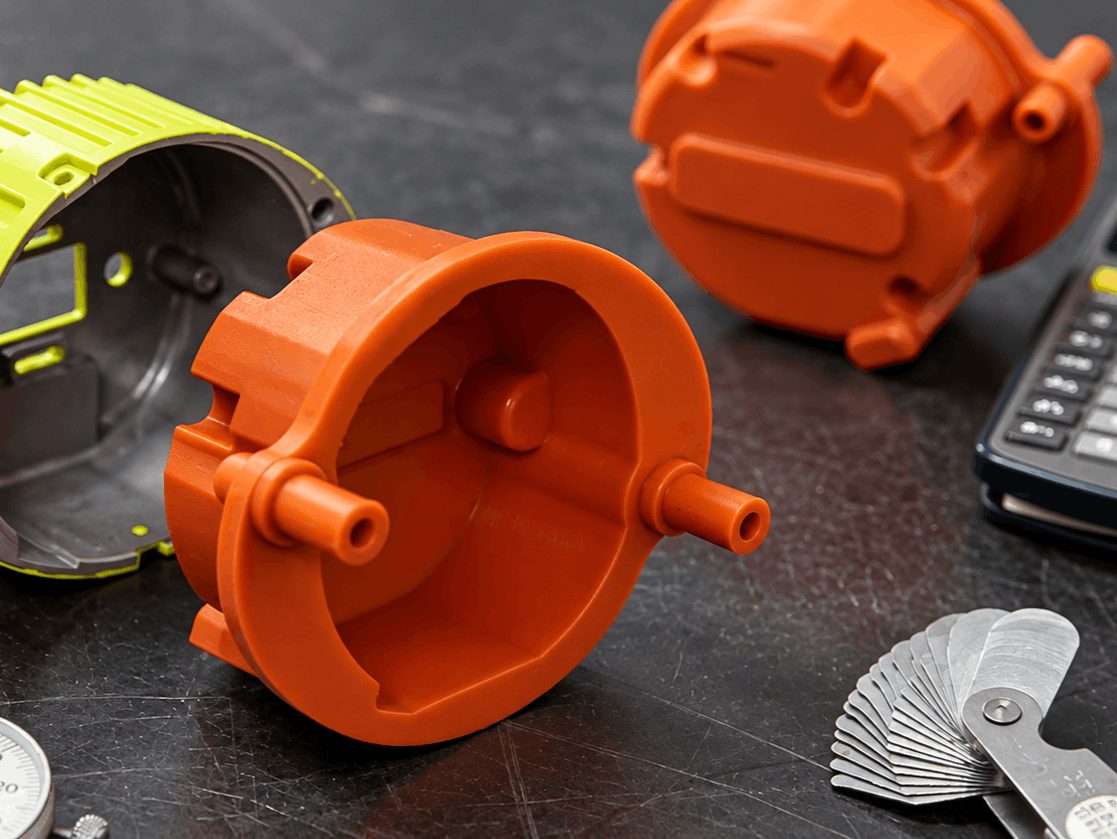
Custom Masking
Turn difficult, repetitive masking into a more controlled process with application-specific solutions designed around the component, protected features, coating exposure, and operator workflow.
Explore Custom Masking
Explore ready-to-use masking and racking solutions designed to help your team get organized, protected, and production-ready faster.
Looking for practical alternatives for industrial finishing? EPSI helps customers move forward with masking solutions engineered for heat, protection, reusability, and process consistency.
Download the latest EPSI technical guide and product reference materials.
Download Technical Guide Guide EspanolConnect with EPSI for help selecting masking, plugs, caps, hooks, racking, and finishing solutions for your application.

.png)
Build repeatability into architectural metal coating with masking, racking, hanging, and custom solutions designed for real finishing conditions—from fabricated building components and railings to structural assemblies, pipe, hardware, and decorative metalwork.
Protect threads, holes, tube ends, mating surfaces, connection points, and finish boundaries with caps, plugs, tapes, discs, and custom masking built for industrial coating processes.
Explore MaskingImprove part orientation, grounding, coating access, stability, and line utilization with racking and hanging solutions designed around the component and finishing process.
Explore RackingWhen standard products create extra handling or cannot match complex geometry, EPSI can develop custom masking and racking for recurring construction and architectural components.
Explore CustomFrom repeatable masking to purpose-built part handling, these products help architectural and construction finishers protect critical features, manage challenging geometry, and keep coating work moving efficiently.
Turn difficult, repetitive masking into a more controlled process with application-specific solutions designed around the component, protected features, coating exposure, and operator workflow.
Explore Custom Masking.png)
Build the fixture around the part and line. Custom racking can improve orientation, grounding, stability, loading efficiency, coating access, and repeatability for architectural components with demanding geometry.
Explore Custom Racking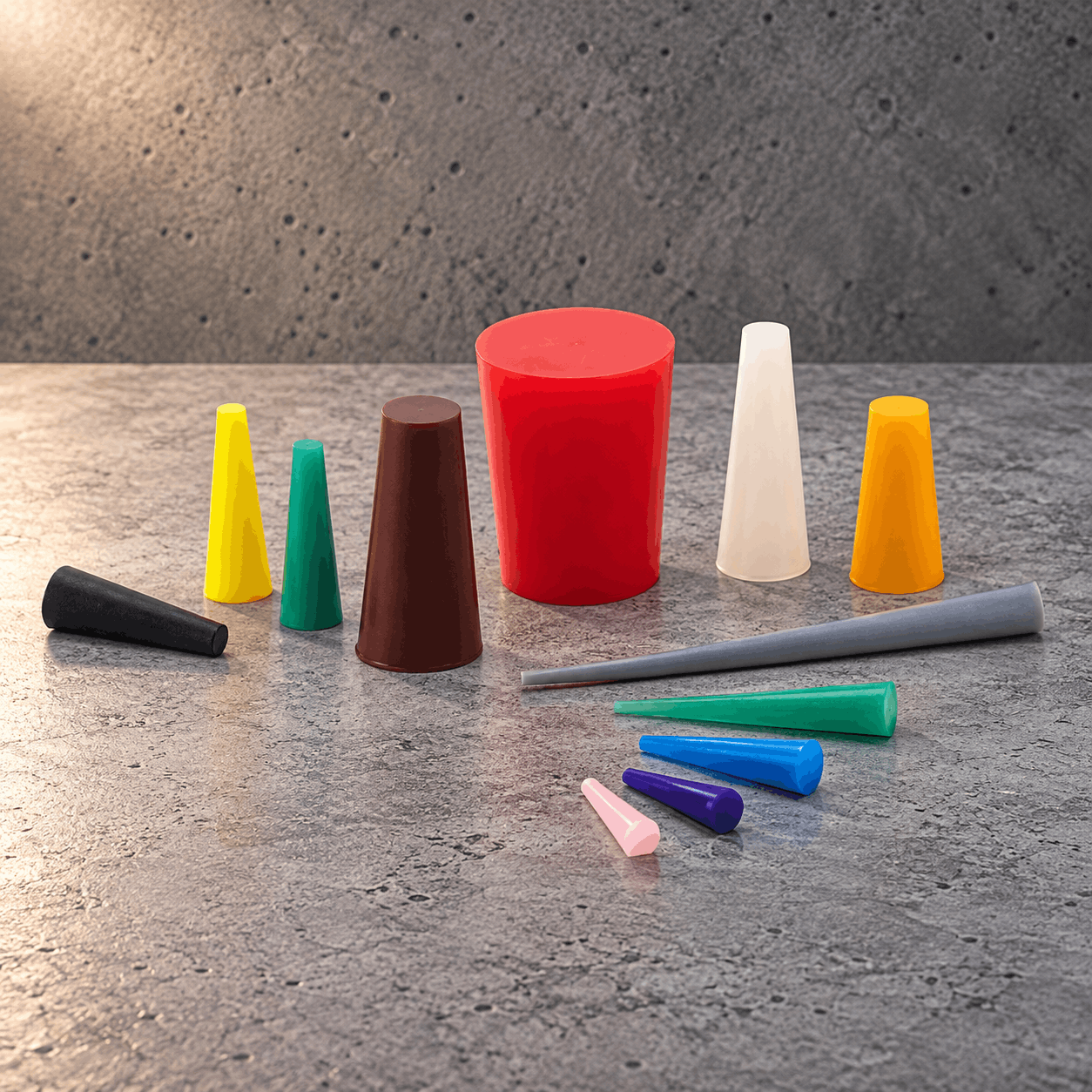
Protect holes, bores, ports, threads, and other internal features with plug styles and materials suited to powder coating and other industrial finishing environments.
Explore Masking Plugs
Cover studs, tube ends, fittings, threads, and exposed features with reusable and process-appropriate caps that make protection and removal more repeatable.
Explore Masking Caps
Create defined coating boundaries and protect flat surfaces, openings, seams, and irregular areas with tapes and die-cut discs for industrial finishing applications.
Explore Tapes & Discs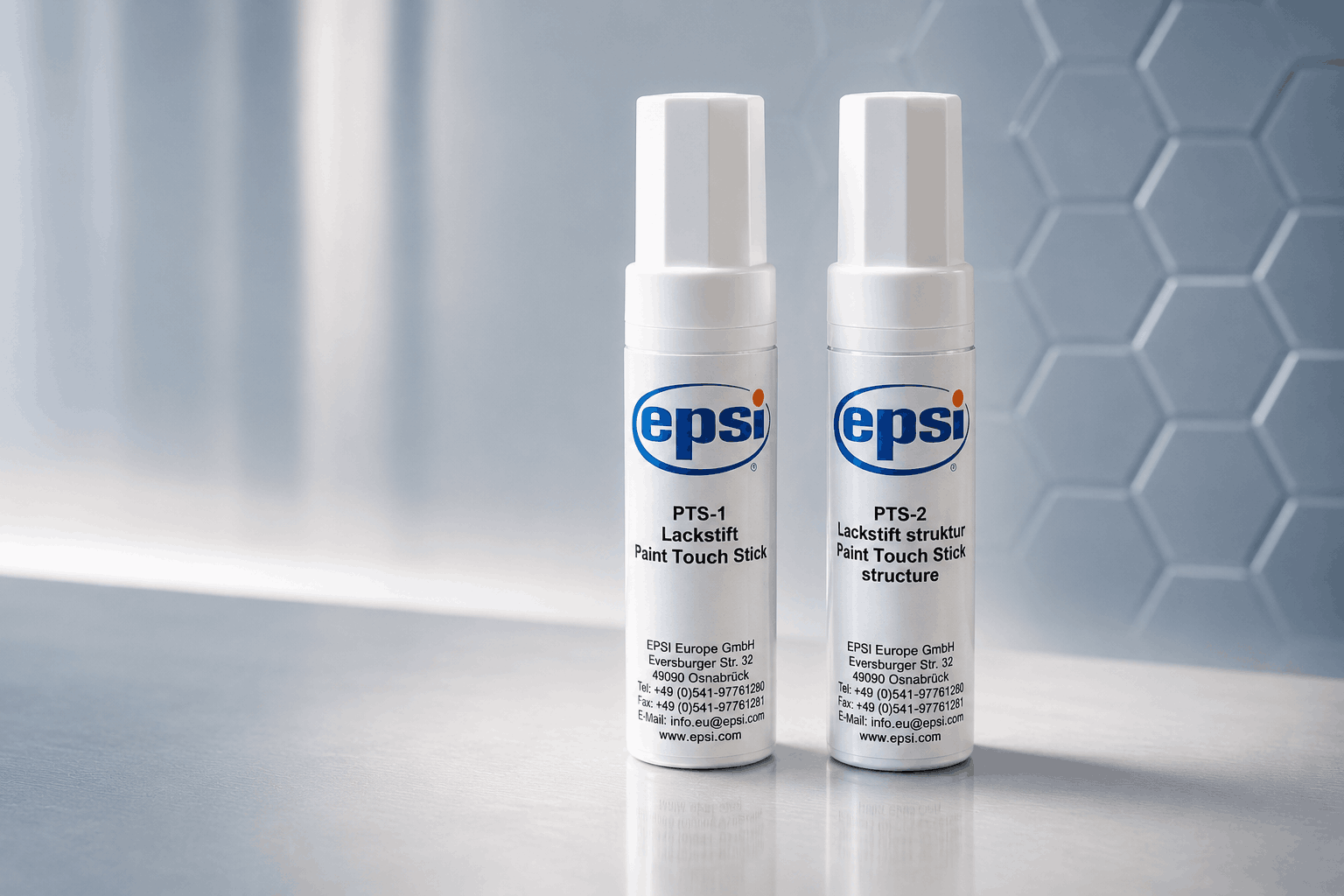
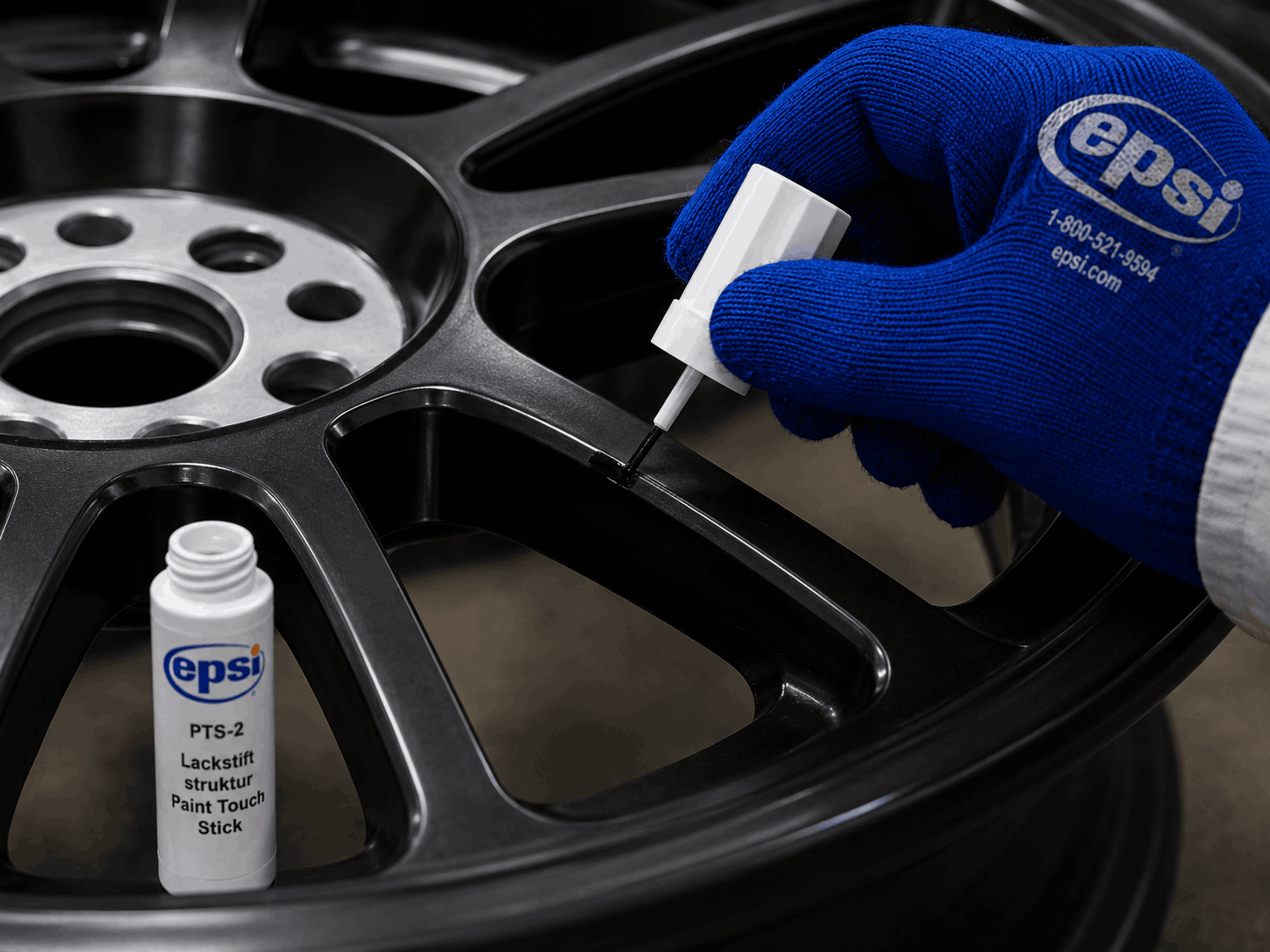
Use a practical surface reference to help evaluate and communicate smooth or textured finish appearance during coating inspection, touch-up, and quality discussions.
View Paint Touch StickConstruction and architectural finishing can involve structural fabrications, railings, stairs, frames, pipe, brackets, hardware, decorative assemblies, and other components that vary dramatically in size and geometry. The visible finish matters, but so do the surfaces that must remain functional after coating.
Threads, bolt holes, tube ends, mating areas, weld zones, and connection points may need precise protection. At the same time, racks and hooks must support the component through pretreatment, application, and cure without creating unstable handling, poor grounding, blocked spray access, or unacceptable contact marks.
EPSI approaches architectural metal finishing as a process. Standard masking products can solve common protection points quickly, while custom masking and racking can simplify recurring applications where geometry, labor, or repeatability make improvised methods inefficient.
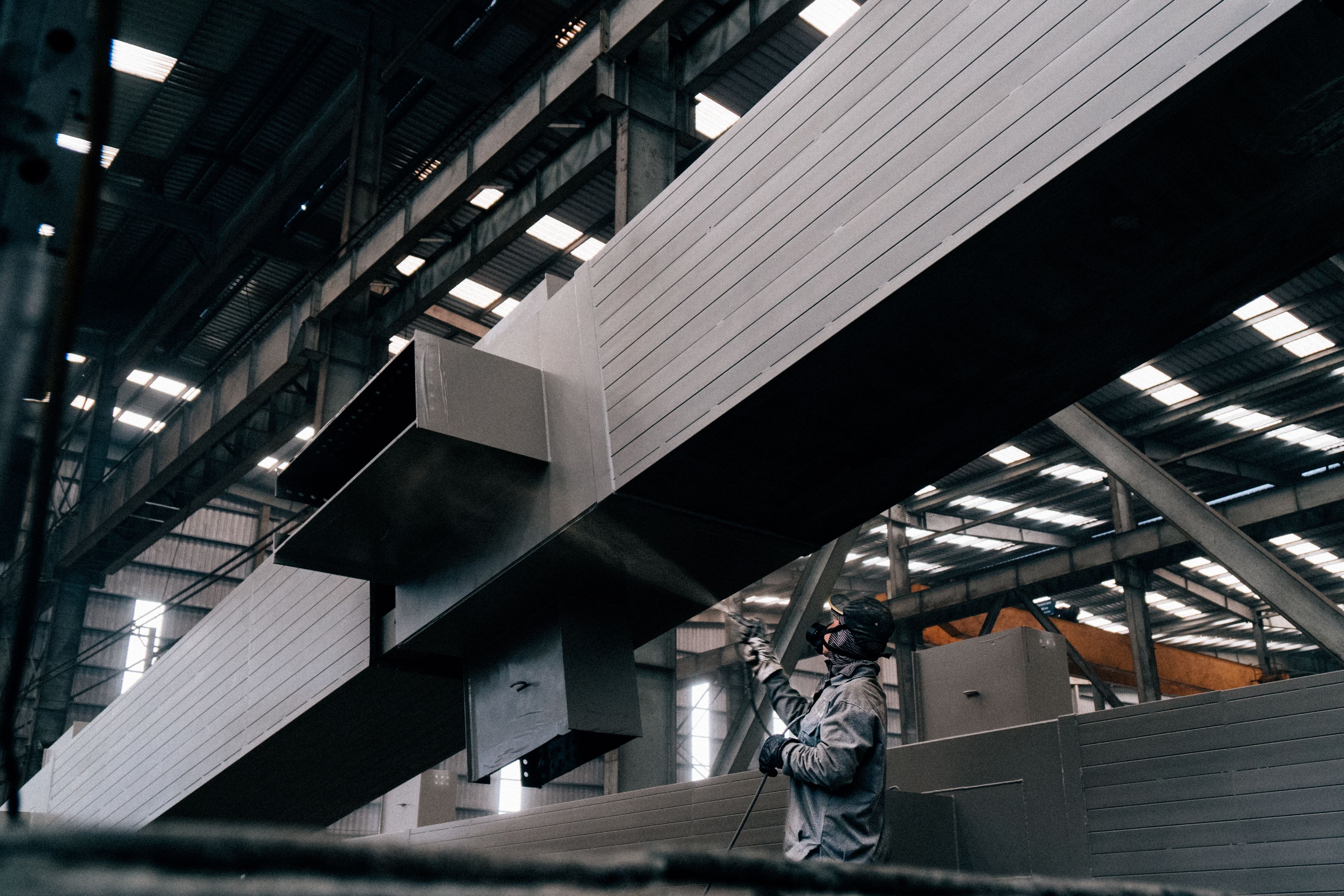
Start with the coating specification and finished-part requirements, then work backward through geometry, hanging, line conditions, operator handling, and replenishment. The best solution has to work technically and operationally.
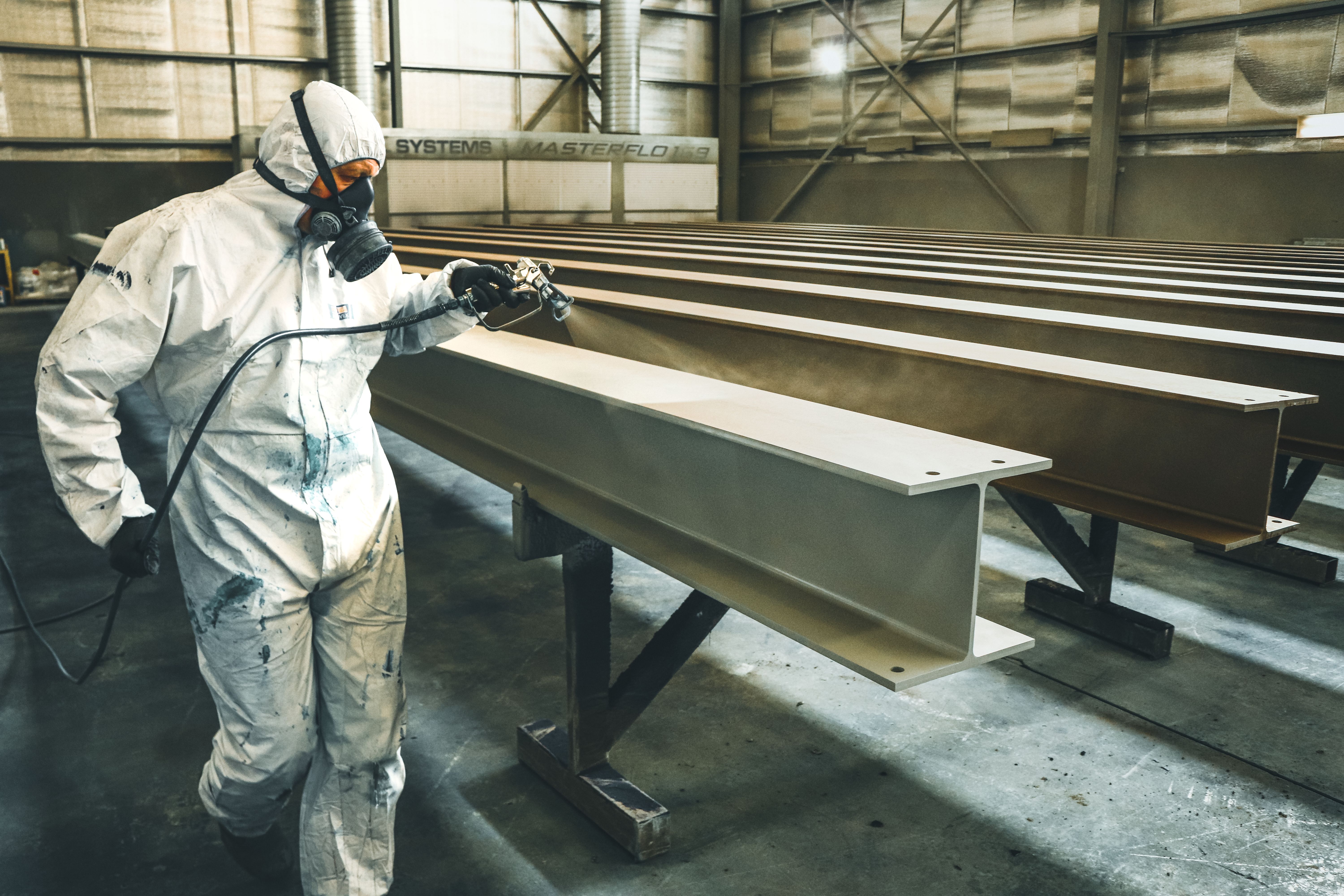
Document powder coating, wet paint, plating, anodizing, pretreatment, blasting, cure temperature, chemistry, and every exposure the masking or rack will see.
Identify threads, holes, tube ends, mating surfaces, weld zones, connection points, decorative boundaries, and any area that must remain coating-free.
Consider weight, center of gravity, conveyor clearance, spray access, drainage, visible surfaces, contact marks, and grounding before choosing hooks or racks.
Compare measuring, cutting, loading, masking, demasking, cleaning, and touch-up time—not only the purchase price of the individual product.
For recurring components, define approved mask sizes, rack positions, contact points, and work methods so results are easier to repeat across operators and shifts.
Account for consumable usage, reusable life, coating buildup, rack cleaning, storage, and replenishment so the solution remains practical in production.
Long beams, pipe, stairs, frames, and fabricated assemblies can push the limits of conveyor clearance, balance, rack strength, spray access, and operator handling. A masking product may need to protect only a small thread or opening, but the way the entire component is supported can determine whether that protection stays in place and whether the finish remains consistent.
That is where process-specific tooling matters. EPSI can help combine standard caps, plugs, tapes, hooks, and custom solutions into a method that makes sense for the component, the coating line, and the people doing the work.
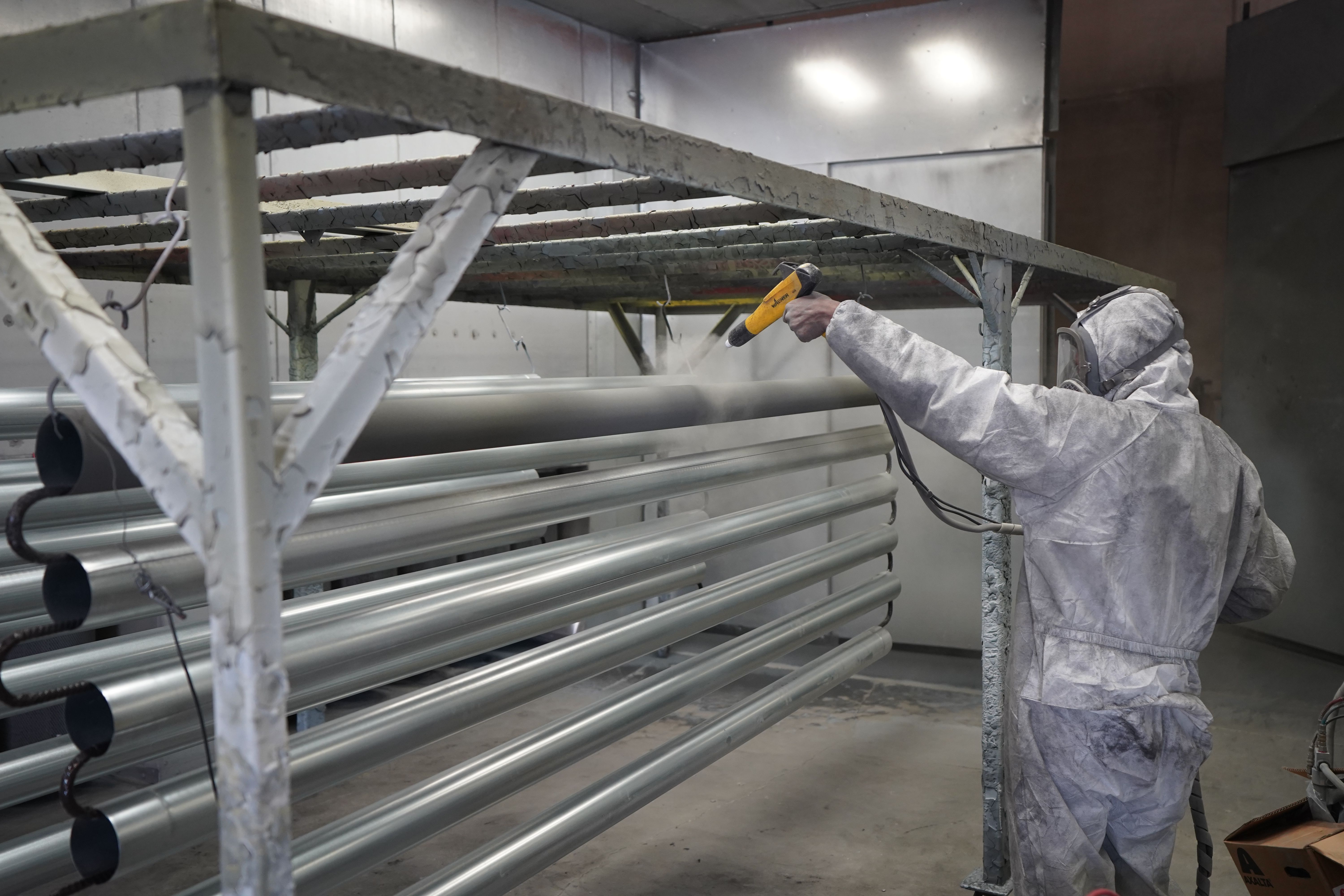
Architectural and construction components may pass through several preparation and finishing processes. EPSI masking and racking solutions help protect defined surfaces, support part handling, and create repeatable methods throughout those steps.
Mask functional surfaces, support dependable grounding, and hang architectural components for consistent spray access and cure.
Explore ApplicationProtect connection points, threads, mating areas, and other defined features during immersion and electrically deposited coating.
Explore ApplicationCreate controlled protection on threads, holes, fittings, and interfaces while components move through plating chemistry.
Explore ApplicationKeep selected aluminum surfaces free from anodized finish while supporting repeatable handling and defined boundaries.
Explore ApplicationProtect openings, connections, threads, and assembly surfaces while fabricated metal receives liquid architectural coatings.
Shield selected surfaces and sensitive features during abrasive preparation before coating or subsequent processing.
Keep male and female threads clear of coating and contamination so hardware remains ready for assembly in the field.
Temporarily protect tube ends, ports, fittings, and finished or unfinished interfaces before installation or final assembly.
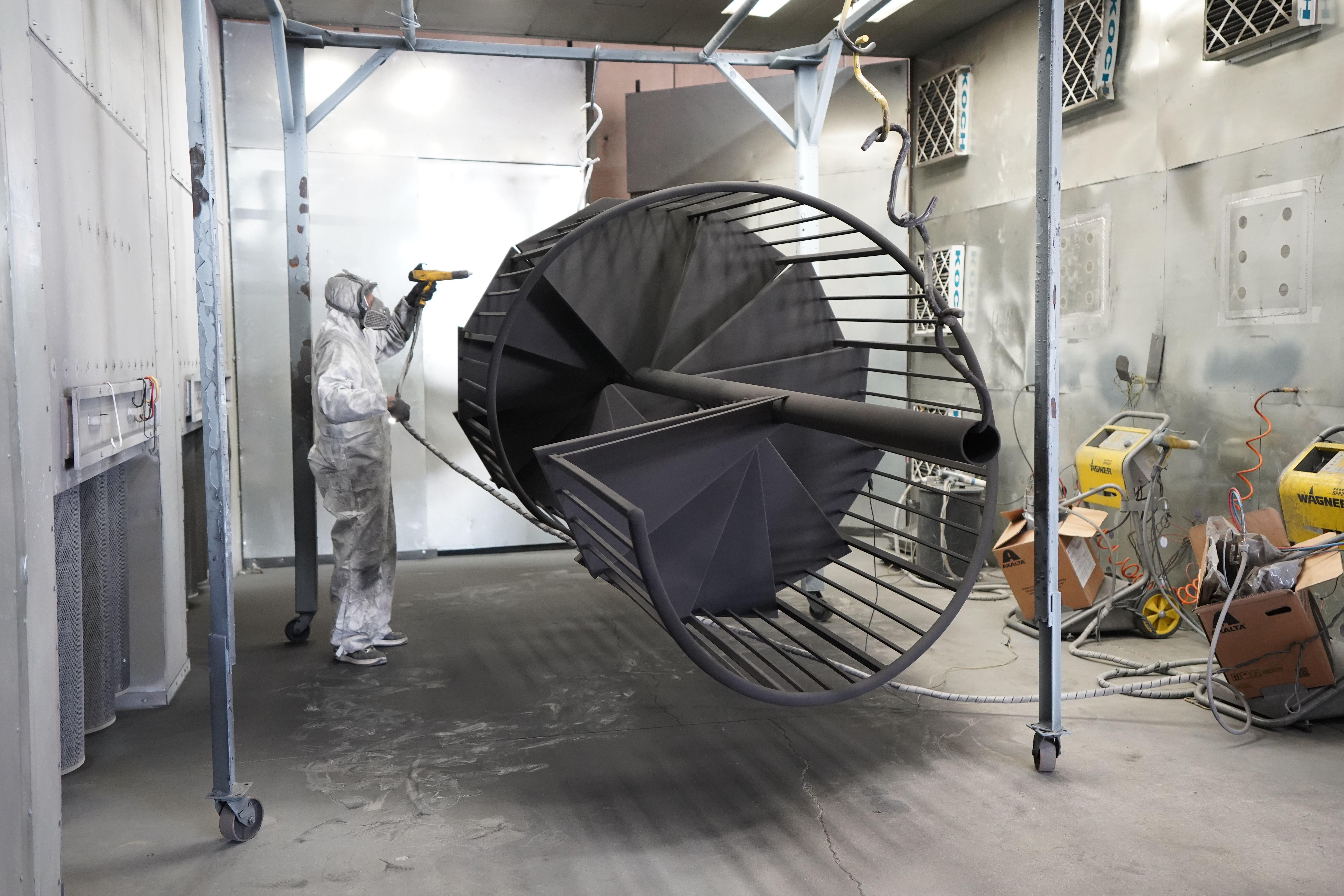
Highly visible components can demand a consistent cosmetic finish while still containing threaded connections, attachment points, concealed interfaces, and areas that must remain dimensionally clean. Those requirements make masking and hanging part of the quality plan—not an afterthought.
By matching the mask, rack, hook, and workflow to the component, finishers can reduce avoidable cleanup and give operators a more repeatable way to prepare complex work for coating.
Continue with the EPSI products you were reviewing, with featured construction and architecture solutions to round out the selection.
Architectural finishing schedules can shift with project releases, part families, and fabrication flow. Running short on a recurring plug, cap, tape, hook, or other finishing supply can turn a simple masking step into a production delay.
EPSI's Vendor Managed Inventory program helps maintain agreed inventory levels around actual usage so commonly consumed products are easier to keep available without relying on last-minute replenishment.
Architectural metal coating can involve temperature, chemistry, part geometry, visible surfaces, grounding, conveyor clearance, handling, production volume, removal time, and reuse. EPSI can help you identify the right product path.
Explore practical guidance on reducing rework, improving throughput, and standardizing masking in powder coating operations.
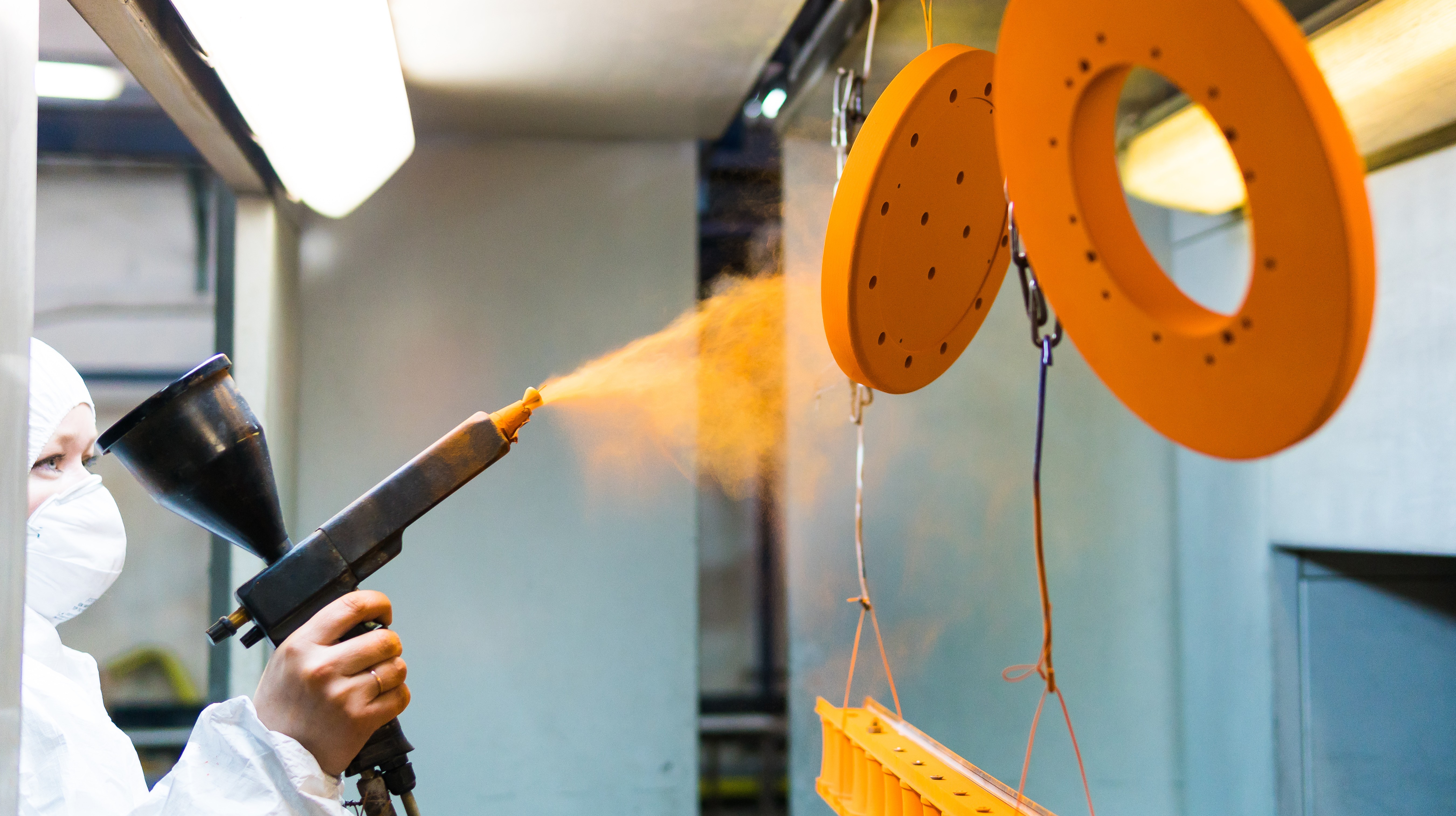
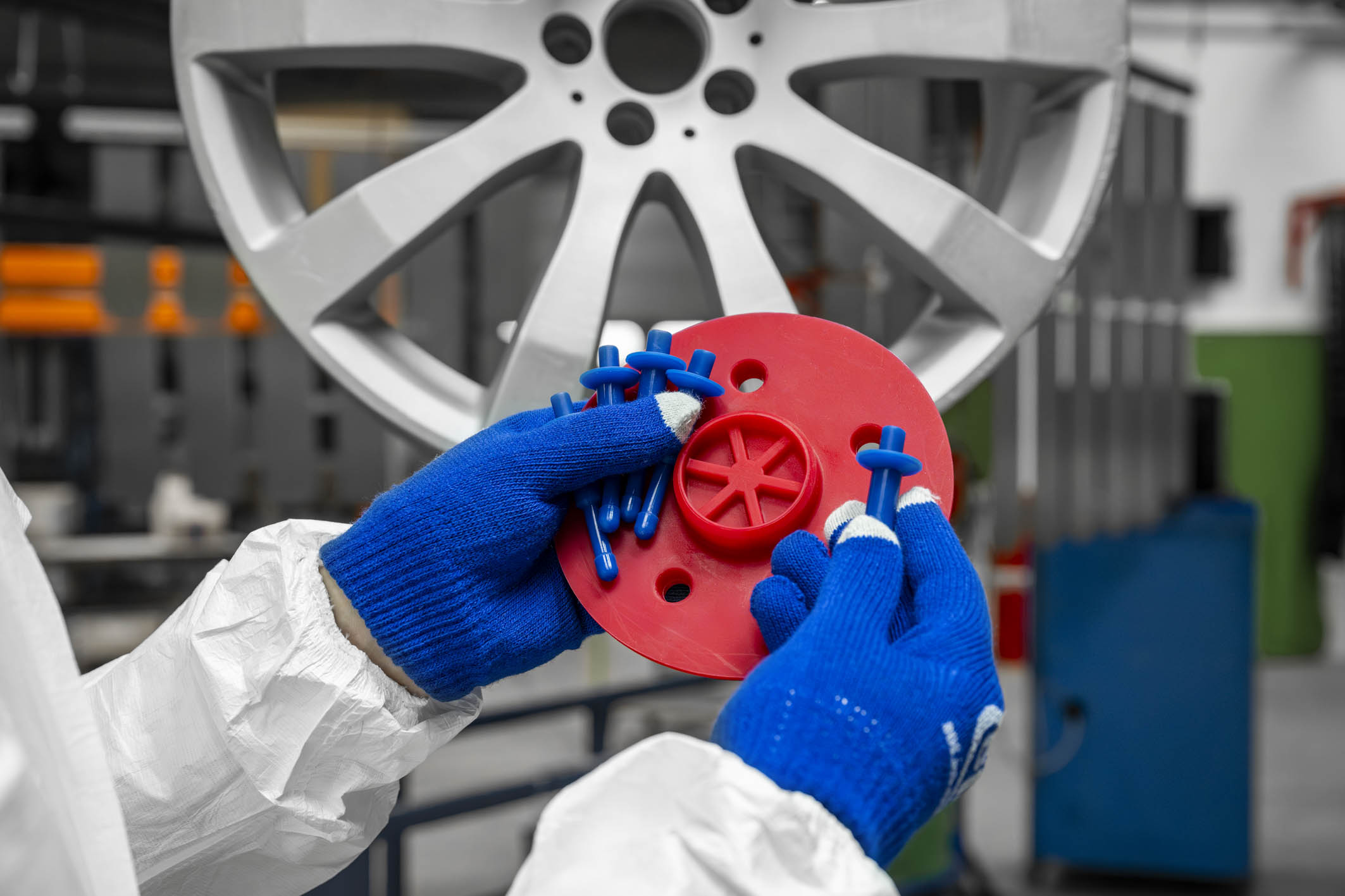
Answers to common questions about architectural metal coating, masking, racking, powder coating, custom solutions, grounding, labor, large components, and inventory planning.
Architectural metal coating is the application of a protective or decorative finish to metal components used in buildings and constructed environments. Depending on the project, that may include powder coating, liquid paint, anodizing, plating, or another finishing process. Successful coating depends on surface preparation, correct masking, secure part handling, consistent grounding where required, and protection of threads, holes, mating areas, and other features that must remain finish-free.
Architectural metal coating operations commonly use masking plugs, caps, tapes, discs, hooks, racks, and custom masking or racking solutions. The right combination depends on the component geometry, coating process, cure temperature, line configuration, and protected features. Large fabrications may require purpose-built hanging or racking, while repetitive holes, threaded connections, tube ends, and hardware interfaces can often be protected with standardized masking products.
Masking prevents coating from reaching areas that need to remain functional, dimensionally controlled, conductive, or ready for later assembly. Threads, bolt holes, tube ends, connection points, bearing surfaces, weld zones, and mating interfaces are common examples. Well-chosen masking can reduce post-finish cleanup and rework while creating repeatable coating boundaries, which is especially valuable when similar architectural components are produced in batches or across multiple project phases.
Start with the actual process conditions: cure temperature, dwell time, pretreatment chemistry, coating thickness, and the geometry being protected. Then consider how operators install and remove the mask, whether it must be reusable, and how clean the finished edge needs to be. Silicone products are widely used for high-temperature powder coating, but material and shape should always be matched to the specific line and component.
Racking affects part orientation, stability, grounding, spacing, coating access, transfer through the line, and operator handling. A rack that holds a component securely but blocks spray access or creates weak electrical contact can still cause problems. For architectural metal coating, the rack should support the part through pretreatment, application, and cure while protecting visible surfaces and keeping contact points in locations that are acceptable for the finished component.
Custom racking is useful when standard hooks or general-purpose fixtures create unstable hanging, poor line density, difficult loading, inconsistent orientation, or unacceptable contact marks. It can also help with large, unusual, or repetitive components such as rails, frames, brackets, fabricated assemblies, and architectural hardware. The best custom rack is designed around the part, conveyor space, coating access, grounding needs, operator workflow, and expected production volume.
Custom masking becomes valuable when a standard product requires too many pieces, takes too long to install, does not seal the required geometry, or creates inconsistent coverage. A molded or application-specific mask can protect several features at once and give operators a repeatable installation method. For recurring architectural components, that can reduce touch time and variation while making the masking method easier to document and train across shifts.
Yes. Large components often create different challenges than small parts, including weight, balance, conveyor clearance, spray access, grounding, and the need to protect multiple connection points. EPSI can help evaluate masking, hooks, racks, and custom solutions around those constraints. Providing a drawing, photos, dimensions, finish requirements, line information, and current handling method makes it easier to identify an appropriate path for the application.
Powder coating relies on electrostatic attraction, so the part needs a dependable conductive path to ground. Coating buildup on hooks, rack tips, and contact points can increase resistance and weaken that path. Consistent grounding supports more predictable powder transfer and coverage. Architectural finishers should treat hook selection, contact-point placement, rack maintenance, cleaning, and coating buildup as process variables rather than viewing the rack only as a material-handling device.
Look at the complete operator sequence rather than only the unit cost of the masking product. Repeated measuring, cutting tape, combining several plugs, searching for sizes, forcing poor-fitting masks, or struggling with removal all add labor. Standardized sizes, custom masks, organized point-of-use inventory, reusable products, and clear work instructions can reduce touch time. Even modest savings per component can become meaningful on repetitive project work or high-volume lines.
The Paint Touch Stick gives finishers a simple way to compare or document surface appearance during coating work. It can be useful when teams need a practical reference for evaluating smooth or textured finishes, communicating expectations, or checking touch-up work. It does not replace formal coating specifications or quality procedures, but it can provide a convenient visual aid alongside the broader controls used for architectural metal coating and finishing.
Vendor Managed Inventory can help keep frequently used caps, plugs, tapes, hooks, and other finishing supplies available without relying on emergency purchasing. Replenishment is planned around agreed inventory levels and recurring usage. For construction and architectural finishing operations that repeatedly consume the same masking sizes or hanging supplies, VMI can reduce stockouts, rush freight, purchasing activity, and time spent searching for materials needed to keep scheduled work moving.
Share the part drawing or dimensions, photos if available, the areas that must remain coating-free, finishing process, cure temperature, chemistry, coating thickness, conveyor or rack limitations, current masking and hanging method, and approximate production volume. It is also helpful to describe the problem you want to solve, such as excessive touch time, poor fit, grounding issues, contact marks, rework, or difficulty maintaining enough supplies at the line.