

.png)

Parts Moving During Powder Coating: Why Rack Stability Matters More Than You Think
When a part shifts, swings, rotates, or contacts another part during the finishing process, coating quality can suffer. These seemingly small movements often lead to uneven coverage, masking failures, damaged finishes, or costly rework.
While many manufacturers focus on optimizing gun settings, powder selection, or cure schedules, one critical factor is often overlooked: how the part is supported throughout the entire finishing process.
The right racking system does more than simply hold a part. It keeps every component stable from loading through curing, helping improve consistency, reduce defects, and increase throughput.
Powder coating depends on consistency.
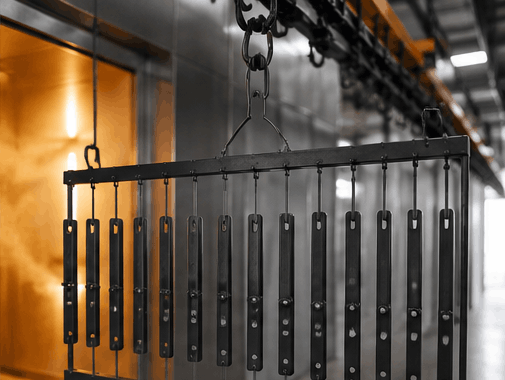
Why Stable Parts Matter
Every part should arrive at the spray booth in the same orientation, remain secure throughout application, and travel through the curing process without unnecessary movement.
When parts shift unexpectedly, several problems can occur:
- Inconsistent powder application
- Uneven film build
- Masking products shifting or lifting
- Parts contacting one another
- Surface damage before curing
- Increased touch-up or rework
Even slight movement can introduce variation between parts, making it more difficult to achieve repeatable results across production runs.
Common Causes of Part Movement
Part movement isn't always caused by operator error. Often, it's the result of racking systems that aren't well suited for the application.
Here are some of the most common causes.
1. Poor Part Support
Some parts simply aren't adequately supported by standard hooks or generic racks.
Large, heavy, or asymmetrical components may shift under their own weight, especially while traveling through conveyors or during transfers.
If the rack isn't designed specifically for the part geometry, movement becomes much more likely.
2. Improper Hook Selection
Not every hook is appropriate for every application.
Using hooks that are too small, too flexible, or worn from years of use can allow parts to rotate or swing more than intended.
Proper hook selection helps maintain secure positioning while also providing reliable electrical contact.
3. Conveyor Vibration
Production lines naturally create vibration.
As racks move through turns, accelerations, decelerations, and curing ovens, unsecured parts can begin oscillating.
The larger the part, the greater the potential movement.
4. Rack Designs That Weren't Built for Today's Parts
Many finishing operations continue using racks originally designed years ago—even though the parts being coated have changed significantly.
New product designs often have:
- Different center-of-gravity locations
- New mounting points
- Larger dimensions
- More complex geometries
Trying to fit new parts onto outdated racks frequently results in unstable loading.
5. Overloaded Racks
Trying to maximize rack density is understandable.
However, placing too many parts on a rack can create clearance issues and increase the likelihood of parts contacting one another during transport.
More parts aren't always more productive if rework increases.
.jpg)
Signs Your Racking System May Be Holding You Back
Not every problem is immediately obvious.
Watch for these warning signs:
- Parts sway while traveling through the line.
- Operators constantly reposition parts before coating.
- Parts occasionally bump into neighboring components.
- Certain part numbers consistently require touch-up.
- New parts don't fit existing racks well.
- Loading times continue to increase.
If these issues sound familiar, your racking system may be limiting both productivity and coating quality.
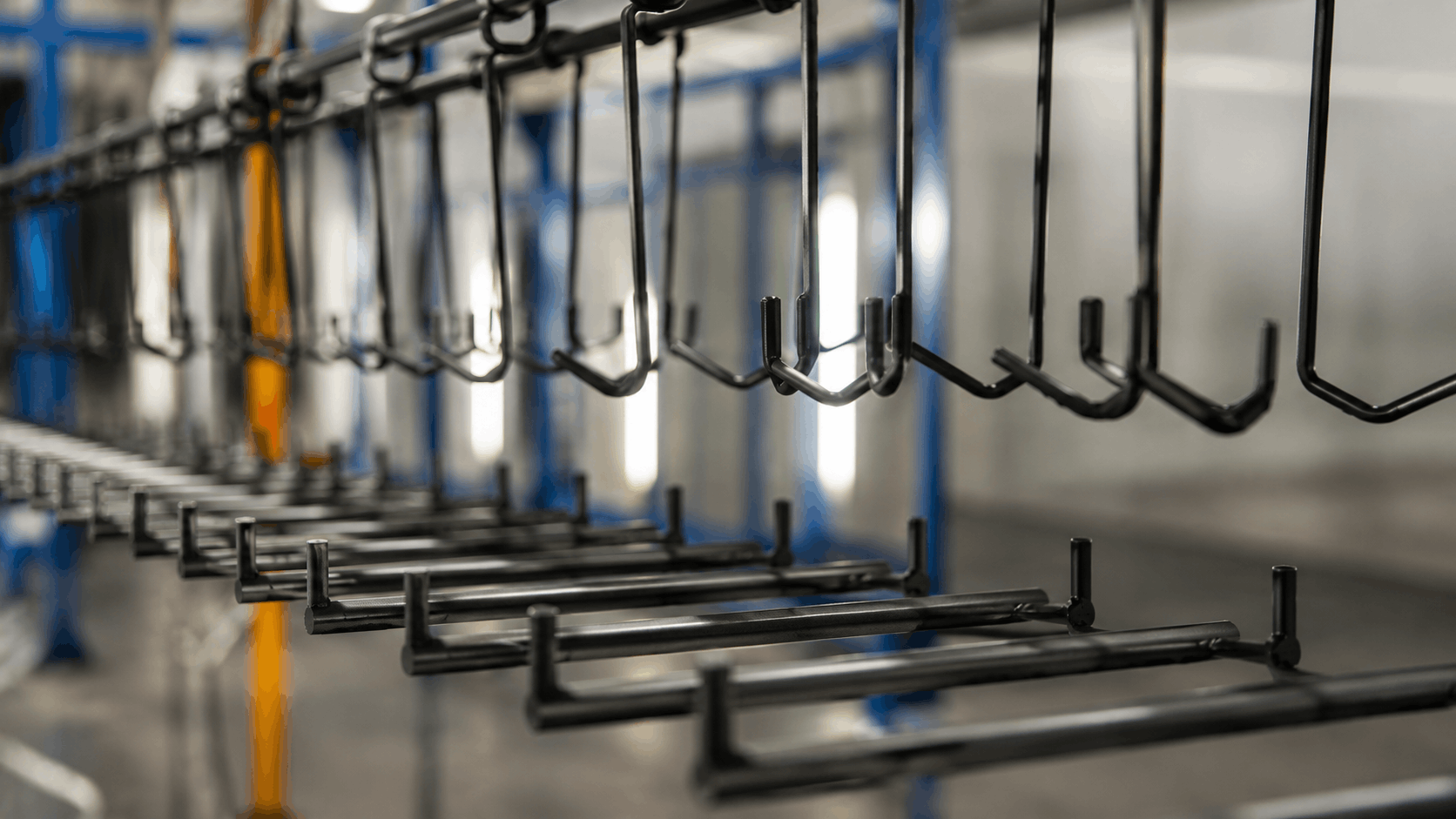
The Hidden Costs of Part Movement
When parts move unexpectedly, the consequences extend beyond appearance.
They can affect nearly every stage of production.
Reduced Coating Consistency
Changing part orientation alters the relationship between the spray gun and the surface being coated.
This can contribute to uneven film thickness and inconsistent finish quality.
Increased Rework
Surface defects often aren't discovered until after curing.
At that point, manufacturers must decide whether to:
- Touch up the finish
- Strip and recoat the part
- Scrap the component
Each option adds labor, material, and production delays.
Lower Throughput
Operators frequently compensate for unstable racks by slowing loading speeds or spending additional time positioning parts.
Small inefficiencies repeated hundreds of times each day can significantly impact production capacity.
More Damaged Parts
Parts that contact one another before curing may require repair or complete recoating.
Even minor collisions can create visible defects that fail customer quality standards.
Effective racking isn't simply about holding parts.
How Better Rack Design Improves Stability
Effective racking is about supporting parts consistently throughout the entire finishing process.
Well-designed racking systems can help:
- Reduce part movement
- Improve operator consistency
- Maintain proper spacing between components
- Increase loading efficiency
- Improve grounding contact
- Support repeatable coating quality
Rather than forcing parts to fit the rack, custom racking is designed around the parts themselves.
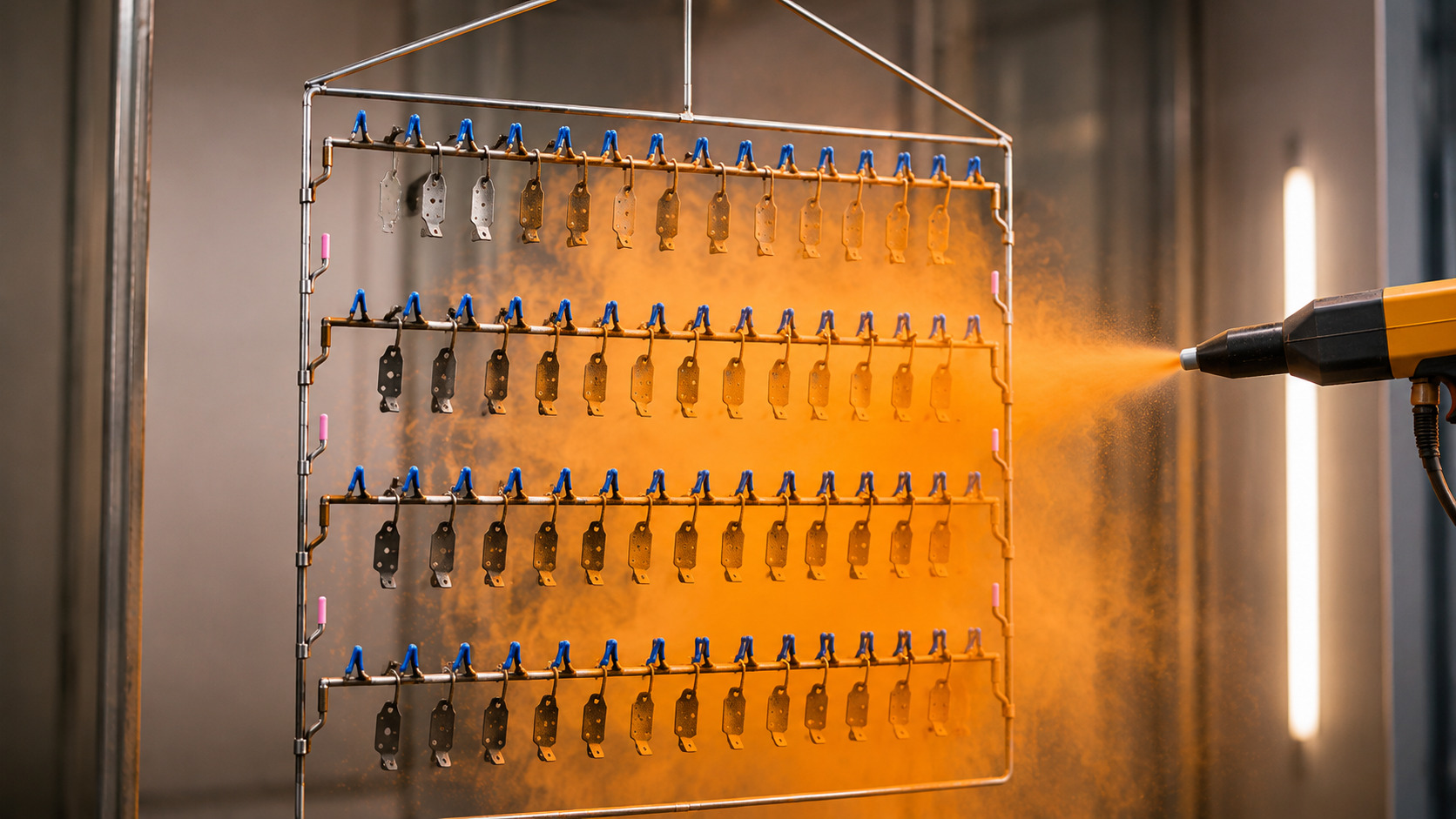
When Modular Racking Makes Sense
Production environments change.
New products, changing order volumes, and evolving customer requirements can quickly make dedicated racks less efficient.
Modular racking systems allow manufacturers to reconfigure hanging points without replacing entire racks.
This flexibility helps accommodate changing production needs while maintaining stable part support.
For facilities running multiple product families, modular systems can improve both efficiency and long-term adaptability.
Should You Consider Custom Racking?
Custom racking may be worthwhile if:
- Parts frequently move during coating.
- Operators struggle with loading consistency.
- Existing racks no longer fit new products.
- Rework continues despite process adjustments.
- Throughput improvements have become difficult to achieve.
An engineered racking solution can often solve multiple production challenges at once—not only improving part stability but also increasing efficiency and consistency across the finishing line.
How EPSI Can Help
Whether you're coating a single product line or managing hundreds of part variations, EPSI engineers racking solutions designed around your operation.
From custom racking for complex applications to modular racking that adapts as production changes, our team helps manufacturers improve part stability, increase throughput, and reduce rework before it starts.
If you're experiencing inconsistent loading, excessive part movement, or recurring coating issues, talk to an EPSI expert to explore a solution built for your parts, process, and production goals.
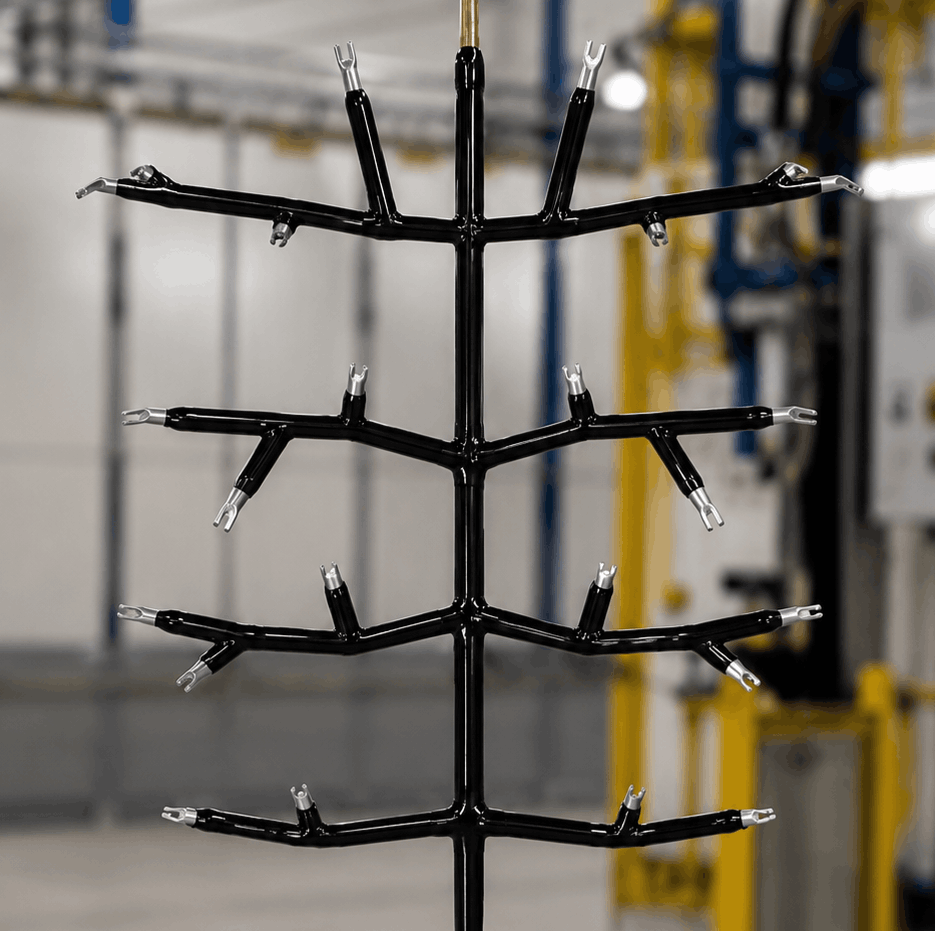
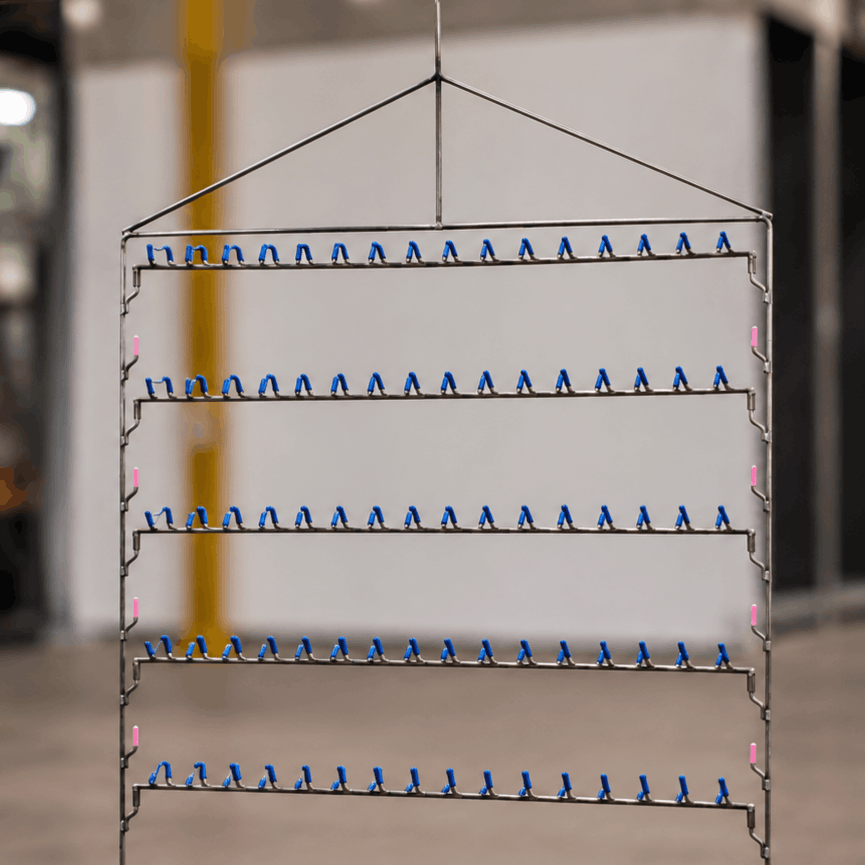
Custom Racking
Engineered specifically for your parts and finishing process, custom racks provide secure support, consistent positioning, and optimized loading to improve coating quality and throughput.
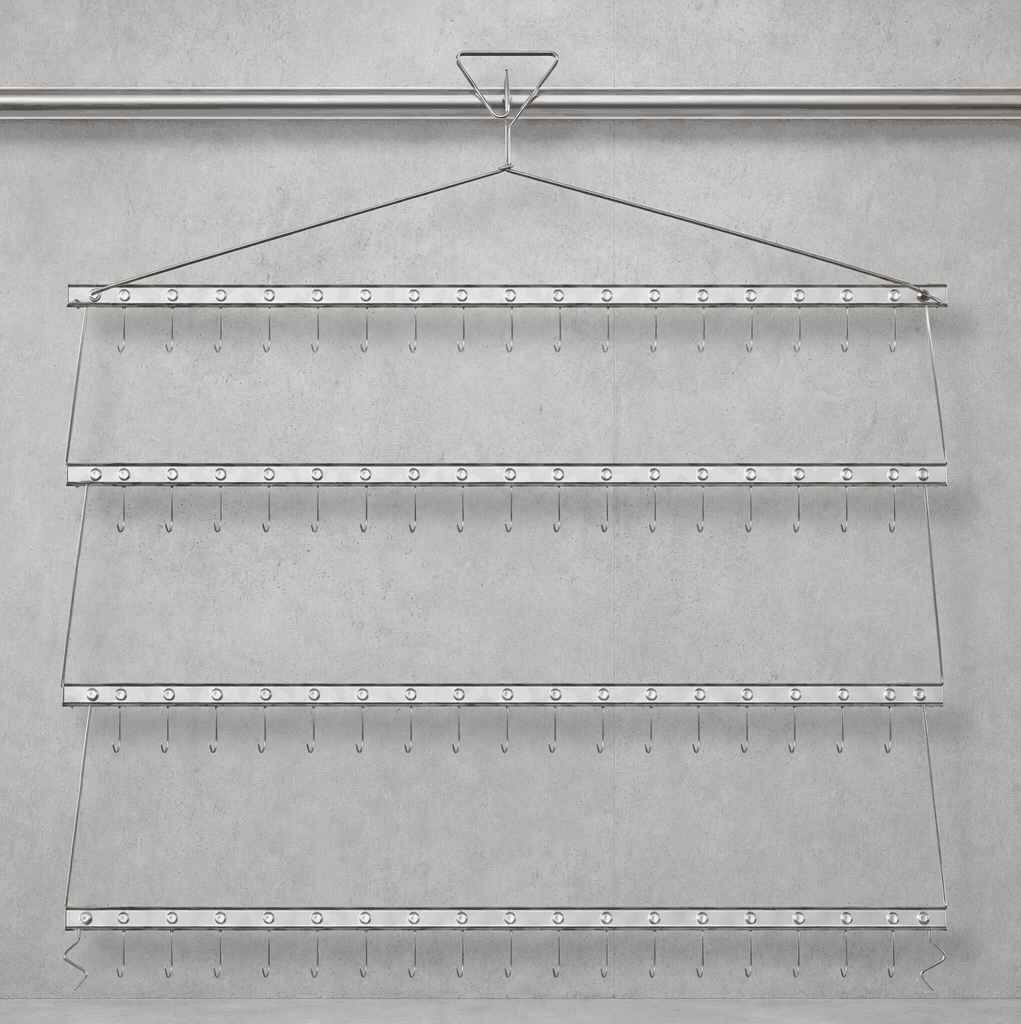
Modular Racking
Adapt quickly as your production needs change with modular rack frames and interchangeable components designed for flexibility without sacrificing stability.
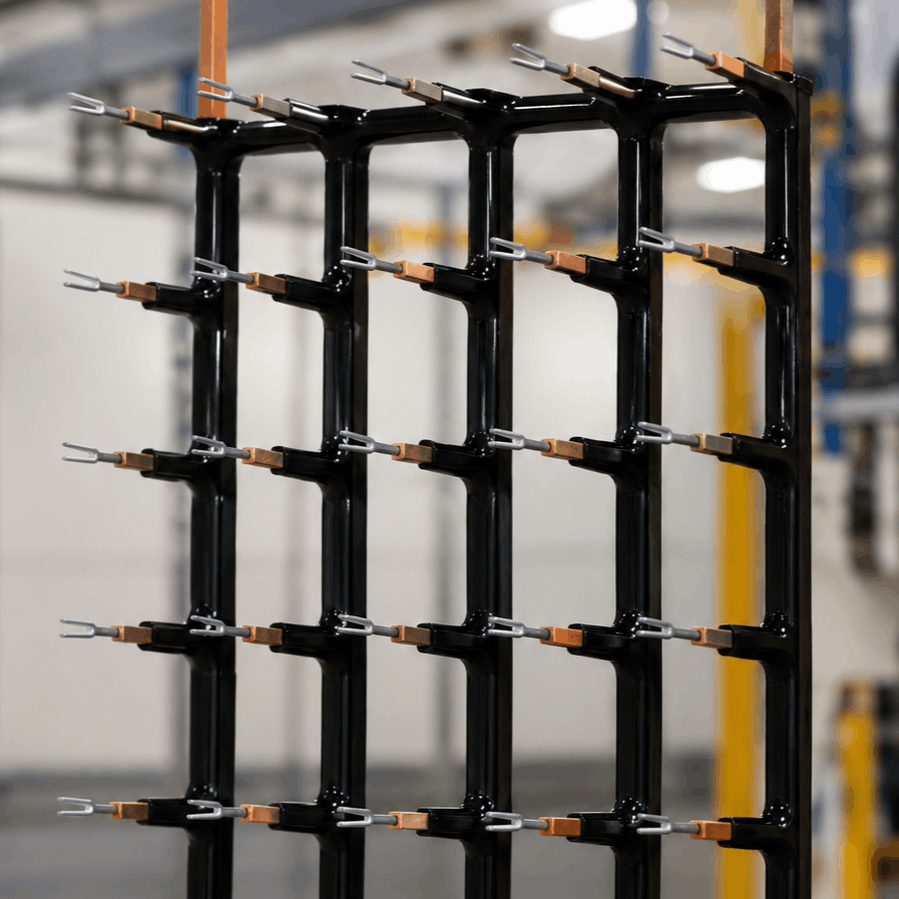
Cross 'N' Click™
Designed for small parts, this modular crossbar system assembles quickly, making it easy to create stable, efficient hanging configurations for changing production needs.
Rack Refurbishment
Restore the performance of existing racks by replacing worn components, improving electrical contact, and extending service life—often without the cost of purchasing new racks.
Stable Parts Lead to Better Finishes
Many coating defects are blamed on powder, equipment settings, or curing conditions.
In reality, the problem may have started much earlier.
Keeping parts stable from loading through curing helps create a more repeatable finishing process, reducing variation before powder is ever applied.
When parts stay exactly where they're supposed to, coating quality becomes easier to control—and rework becomes easier to avoid.

Frequently Asked Questions
Why do parts move during powder coating?
Parts can move because of poor rack design, worn hooks, improper support, conveyor vibration, overloaded racks, or racks that aren't designed for the specific part geometry.
Can part movement affect coating quality?
Yes. Movement can lead to inconsistent powder application, uneven film build, masking failures, part-to-part contact, and increased rework.
How can I keep parts from swinging during powder coating?
Using properly engineered racking and appropriate hanging methods helps minimize movement. Custom or modular racking solutions can provide better support based on the size, weight, and shape of the part.
When should I replace my powder coating racks?
If racks no longer support new parts effectively, require constant operator adjustments, show excessive wear, or contribute to recurring quality issues, it may be time to refurbish or replace them.
Is custom racking worth the investment?
For many manufacturers, yes. Custom racking can reduce rework, improve throughput, increase loading efficiency, and create more consistent coating results, often providing a measurable return over time.
See Related Articles
Explore more resources on grounding, powder coating, racking, and finishing line performance.
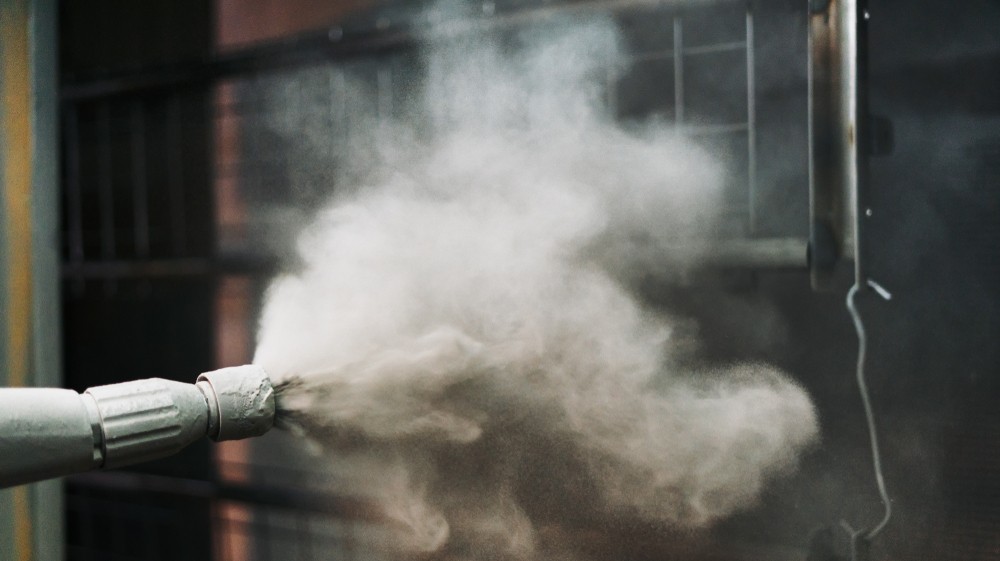
Ready to Reduce Powder Coating Rework?
EPSI can help you improve masking, hanging, racking, part presentation, and touch-up processes to support more consistent finishing results.