
.png)
Masking Complex Aerospace Parts: Protecting Threads, Bores, and Precision Interfaces
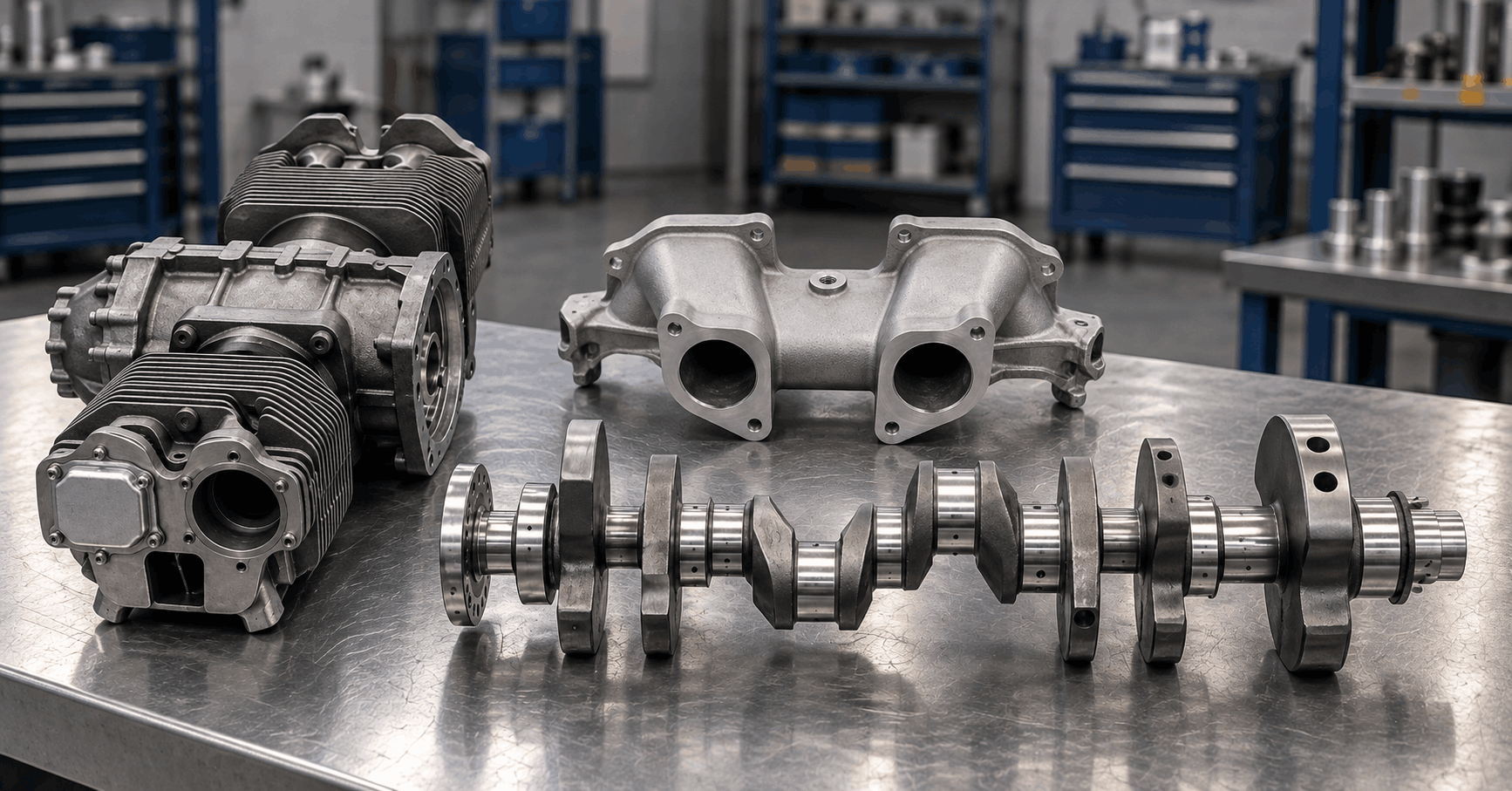
Aerospace components often combine intricate geometries with demanding dimensional and functional requirements. A single part may contain threaded connections, precision bores, sealing surfaces, and tightly controlled interfaces that require different levels of protection during surface finishing.
For manufacturers and finishing operations, the challenge isn't simply preventing coating from reaching certain areas. It's selecting masking methods that maintain retention, protect critical features, and support consistent processing without introducing unnecessary labor or rework.
These considerations are central to aerospace surface finishing, where component requirements, approved processes, and inspection criteria determine how parts must be prepared and protected.
Effective masking starts with understanding what each surface needs to do after finishing.
Precision masking starts with the function of the surface—not just the shape of the part.

Why Aerospace Masking Requires a Different Approach
Aerospace parts frequently contain multiple functional surfaces within a relatively small or complex geometry.
A housing, bracket, actuator component, or machined assembly may require corrosion protection on exposed surfaces while maintaining precisely controlled dimensions elsewhere.
Depending on the drawing and finishing specification, masking may be necessary to protect:
- Internal and external threads
- Precision-machined bores and bearing seats
- Sealing faces and gasket interfaces
- Electrical contact and grounding locations
- Mating surfaces and tight-tolerance features
- Fluid passages and other sensitive openings
These requirements become more complicated when parts undergo multiple finishing operations or when the masking must withstand immersion, rinsing, elevated temperatures, or chemical exposure.
A masking method that works during powder coating may not be suitable for anodizing or plating. Each process introduces different demands on material compatibility, retention, and coverage.

1. Start With the Drawing and Finishing Specification
Before selecting a masking product, identify which surfaces must receive the specified finish and which must remain protected.
This distinction should come from the approved engineering drawing, applicable finishing specification, and customer requirements—not assumptions about how a feature is normally used.
A threaded hole, for example, may require complete protection in one application but controlled coating coverage in another.
Likewise, some mating surfaces require a defined finish thickness, while others must remain free of deposited material.
For each controlled feature, establish the masking boundary, acceptable dimensional condition, and inspection method.
When multiple finishes are involved, document the required condition at each stage. A surface protected during one operation may require different treatment during the next.
2. Protect Threads Without Compromising Fit
Threaded features are among the most common masking challenges in precision manufacturing.
Unwanted coating or plating buildup can interfere with fastener engagement, assembly torque, or dimensional requirements. Poorly fitted masking products can also shift during processing, allowing material to reach protected surfaces.
For internal threads, appropriately sized masking plugs may provide a practical solution. External threads may require caps, sleeves, or application-specific protection.
Selection should account for:
- Thread diameter and engagement depth
- Required masking boundary
- Process temperature and chemistry
- Retention during handling or immersion
- Ease of installation and removal
- Potential for residue or surface damage
Masking should protect the specified area without creating additional problems during removal or final assembly.
3. Control Coating Buildup in Precision Bores
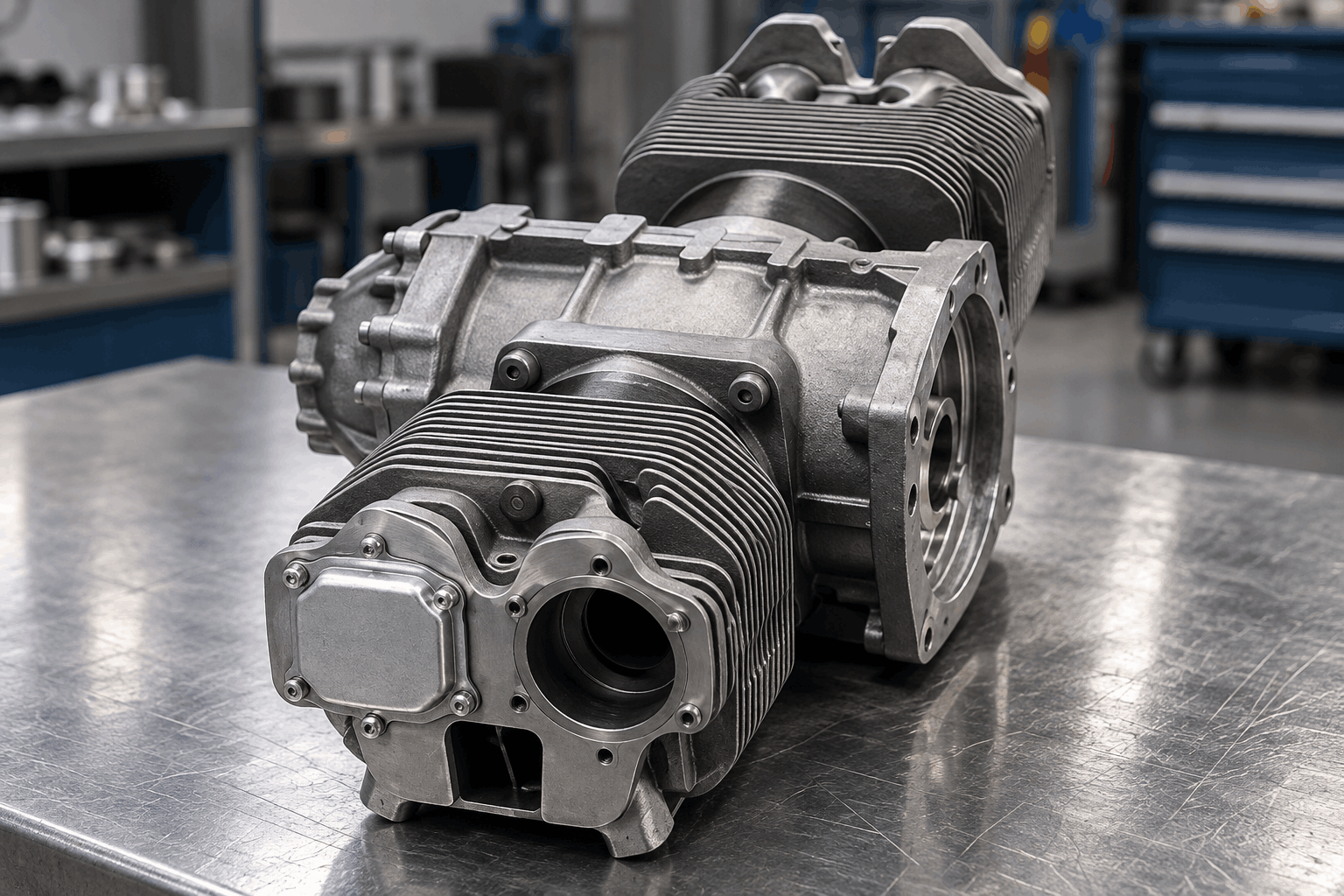
Precision bores can present different challenges from threaded openings.
Bearing seats, alignment bores, and close-tolerance internal diameters may have strict dimensional requirements. Even relatively small amounts of unwanted deposited material can affect component fit.
Standard cylindrical plugs may work for some features, but tapered, stepped, or irregular bores can require a different approach.
Masking products should establish a consistent boundary and maintain their position throughout the finishing cycle.
For deeper openings, the masking strategy must also account for process-specific concerns, including trapped solution, air pockets, or incomplete drainage.
A plug that seals effectively in a dry coating process may behave differently during immersion.
A masking product is only effective when it protects the required surface throughout the entire finishing process—not just during installation.
4. Give Sealing Faces and Mating Interfaces Special Attention
Sealing surfaces often require more precise masking boundaries than general-purpose openings.
These features may support gaskets, O-rings, mechanical joints, or other connections where surface condition influences assembly performance.
Potential problems include uneven masking edges, unintended coating overlap, adhesive residue, and damage during removal.
Flat masking discs or die-cut materials may work for accessible surfaces. More complex geometries may benefit from custom-molded masking products.
The appropriate solution depends on the specified surface condition, geometry, finishing process, and required inspection criteria.
Masking materials should also be evaluated for compatibility with the substrate and process so that protection does not introduce contamination or damage.

5. Match Masking Materials to the Finishing Process
Aerospace components may undergo powder coating, liquid coating, electroplating, anodizing, or other approved surface treatments.
These processes place different demands on masking products.
|
Finishing process |
Key masking considerations |
|---|---|
|
Powder coating |
Temperature resistance, electrostatic exposure, retention, and clean removal |
|
Liquid coating |
Solvent compatibility, coating boundaries, adhesion, and removal |
|
Electroplating |
Bath chemistry, immersion time, electrical considerations, and sealing effectiveness |
|
Anodizing |
Electrolyte compatibility, immersion, retention, and controlled treatment boundaries |
A masking material's temperature rating alone does not establish suitability for chemical immersion.
Similarly, a product that performs well during one plating or anodizing cycle should not automatically be assumed compatible with another bath chemistry.
Material selection should be validated against the actual finishing conditions and applicable process specifications.
6. Design Masking Around Handling and Racking
Masking and racking should be evaluated together rather than as independent preparation steps.
Part orientation can affect drainage, coating access, solution entrapment, and operator handling. Hanging or fixturing contact points may also interact with surfaces that require protection.
A masking product that performs well on a workbench may become difficult to use once the part is loaded onto its production fixture.
Before finalizing the setup, consider whether operators can install and remove masking safely, inspect critical boundaries, and maintain consistent positioning.
For electrostatic coating and electrolytic processes, the required electrical contact or current path must also be maintained according to the approved process.

7. Know When Custom Masking Is Worth the Investment
Standard masking products are often the most economical starting point, particularly for common hole sizes, threads, and accessible surfaces.
However, complex aerospace geometries can make standard solutions difficult to apply consistently.
Custom masking may be worth evaluating when operators repeatedly trim products, combine several masks to protect one feature, or struggle to maintain a precise boundary.
An engineered masking design may simplify installation, improve fit, or consolidate multiple preparation steps.
The decision should consider development cost, production volume, expected reuse, labor time, removal requirements, and quality performance.
The value of custom masking isn't complexity for its own sake. It's making a difficult protection requirement more repeatable.
8. Build Repeatability Into the Masking Procedure
Even a well-designed masking product can produce inconsistent results without standardized work instructions.
For recurring aerospace components, document the approved masking product, installation method, placement boundary, inspection requirements, and removal procedure.
Operators should also know when reusable products must be replaced because of damage, contamination, or loss of fit.
Where traceability is required, masking procedures and associated records should align with the manufacturer's quality system and customer requirements.
Changes to masking materials or methods may require review, testing, or customer approval before implementation. A substitution that appears minor can affect a qualified finishing process.
How EPSI Can Help
Complex aerospace masking requires solutions that fit both the component and the finishing process. EPSI helps manufacturers and finishing operations evaluate how masking products, part geometry, installation procedures, and production conditions work together. Whether the challenge involves protecting a threaded opening or developing a repeatable method for an intricate machined feature, the objective is reliable protection with practical installation and removal.

Caps, Plugs, Tapes & Discs
Protect common threaded openings, bores, and accessible surfaces with masking products selected for the feature and finishing conditions. Standard options can simplify preparation when dimensions and process requirements are compatible.
Explore Masking
Custom Masking
Address irregular bores, complex interfaces, and difficult masking boundaries with application-specific designs. Custom solutions can help reduce manual trimming, consolidate masking steps, and improve repeatability.
Explore Custom.png)
Custom Racking
Develop fixtures around challenging component geometries, approved contact locations, and handling requirements. Purpose-built racking can support consistent part orientation and access during compatible finishing operations.
Explore Racking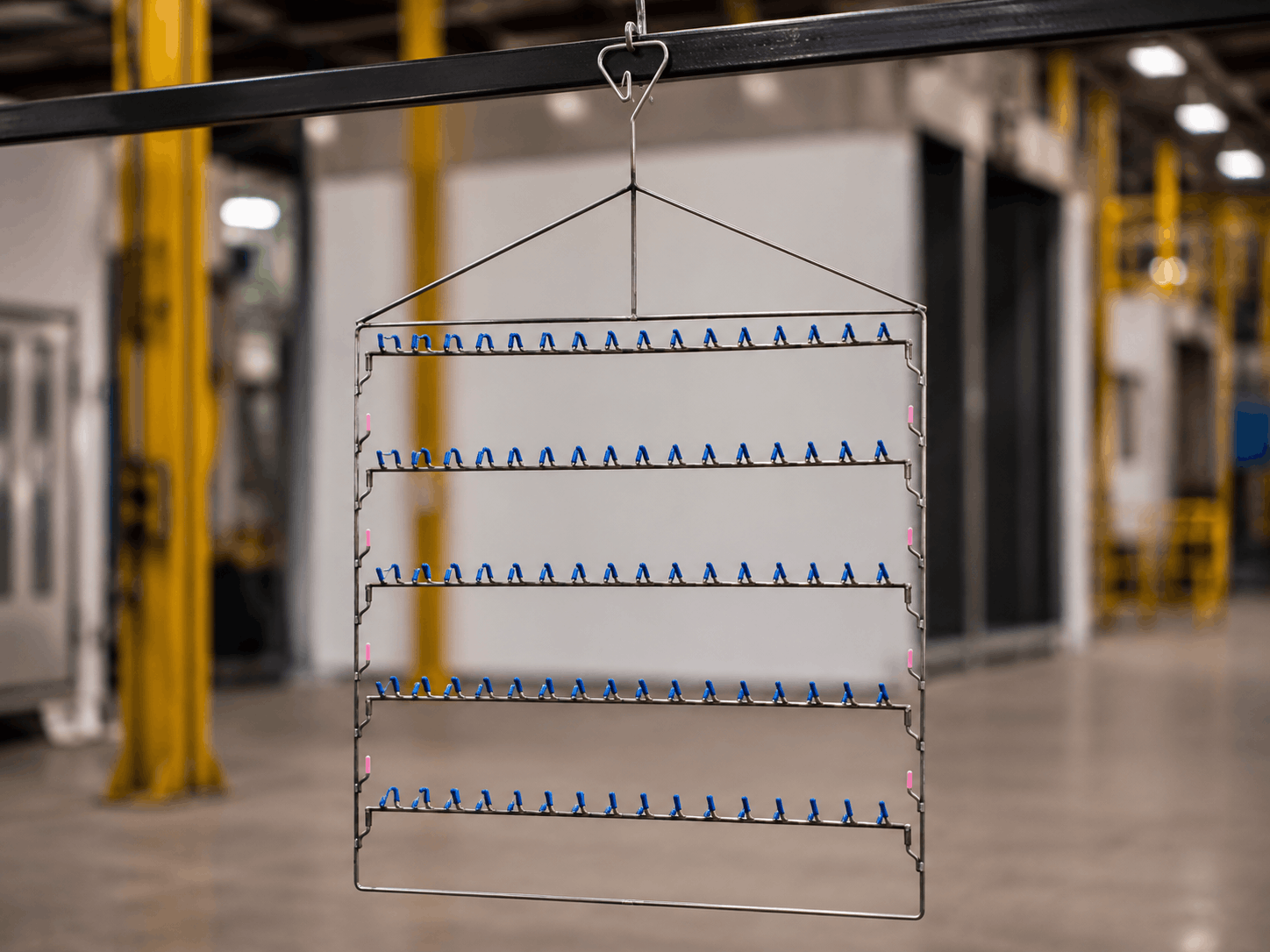
Modular Racking
Accommodate changing part configurations with adjustable racking components for suitable finishing applications. Modular arrangements can help standardize loading while reducing the need for entirely new fixtures.
Explore Modular RackingProtect Precision Without Adding Unnecessary Complexity
Effective aerospace masking begins with understanding the component's functional requirements and the conditions it will encounter during finishing.
By coordinating masking selection, racking, operator procedures, and inspection criteria, manufacturers can develop more repeatable methods for protecting complex features.
The goal isn't simply to keep coating off a surface. It's to protect the features that matter while supporting a controlled, efficient finishing process.
Frequently Asked Questions
What aerospace surfaces typically require masking?
Depending on the drawing and specification, threads, precision bores, sealing faces, bearing seats, electrical contacts, and mating interfaces may require protection.
What masking products work best for aerospace threaded holes?
Appropriately sized plugs are often practical for internal threads, while caps or sleeves may suit external threads. Selection depends on geometry, finishing chemistry, temperature, and retention requirements.
How do you protect precision bores during coating or plating?
Use masking that fits securely, establishes the specified boundary, and remains compatible with the process. Validate dimensional results after finishing.
Can the same masking products be used for powder coating and anodizing?
Not necessarily. Temperature resistance, chemical compatibility, and immersion performance must be evaluated separately for each process.
When should manufacturers consider custom masking?
Custom masking may be appropriate when standard products require repeated modification, cannot protect complex boundaries reliably, or create excessive preparation labor.
How does racking affect aerospace masking?
Racking influences orientation, access, drainage, contact points, and handling. These factors can affect masking retention and finishing results.
Can reusable masking products be used on aerospace components?
Yes, where permitted by the approved process. Reusable products must maintain fit, cleanliness, and performance throughout their service life.
How should a new masking method be validated?
Evaluate it under representative production conditions, including the complete finishing cycle. Confirm masking retention, boundary accuracy, removal, dimensional results, and compliance with applicable requirements before implementation.
Need Help Masking Complex Aerospace Components?
From precision threads and bores to challenging sealing interfaces, EPSI can help evaluate standard and custom masking solutions for your application.